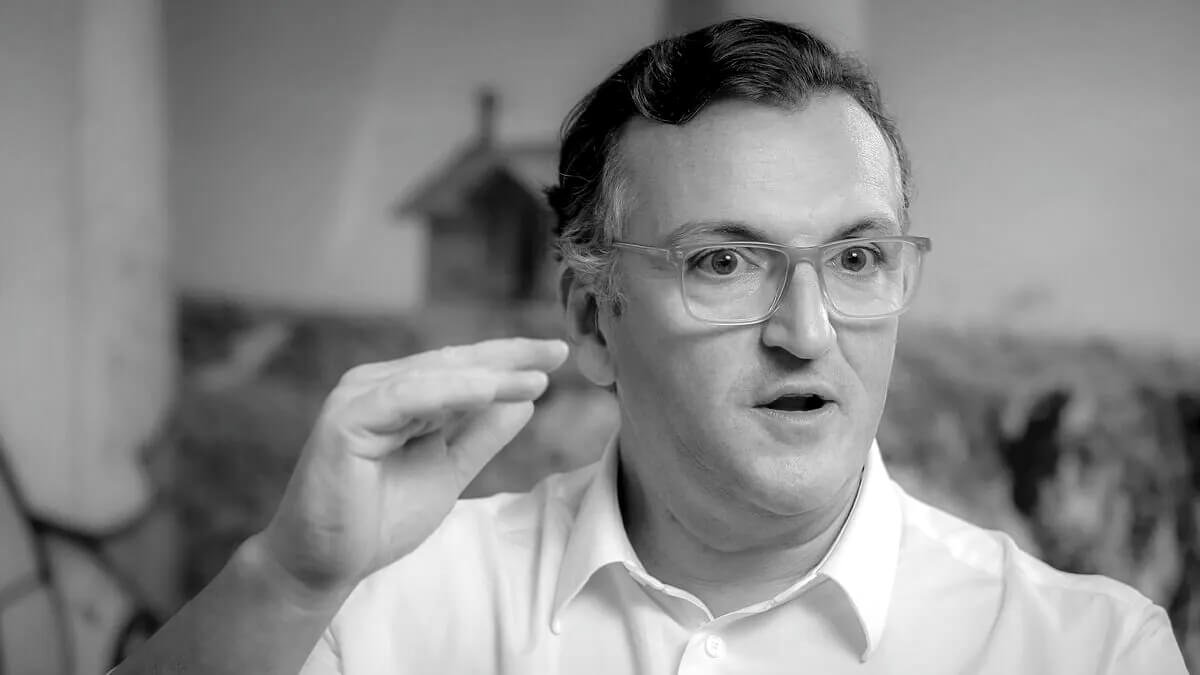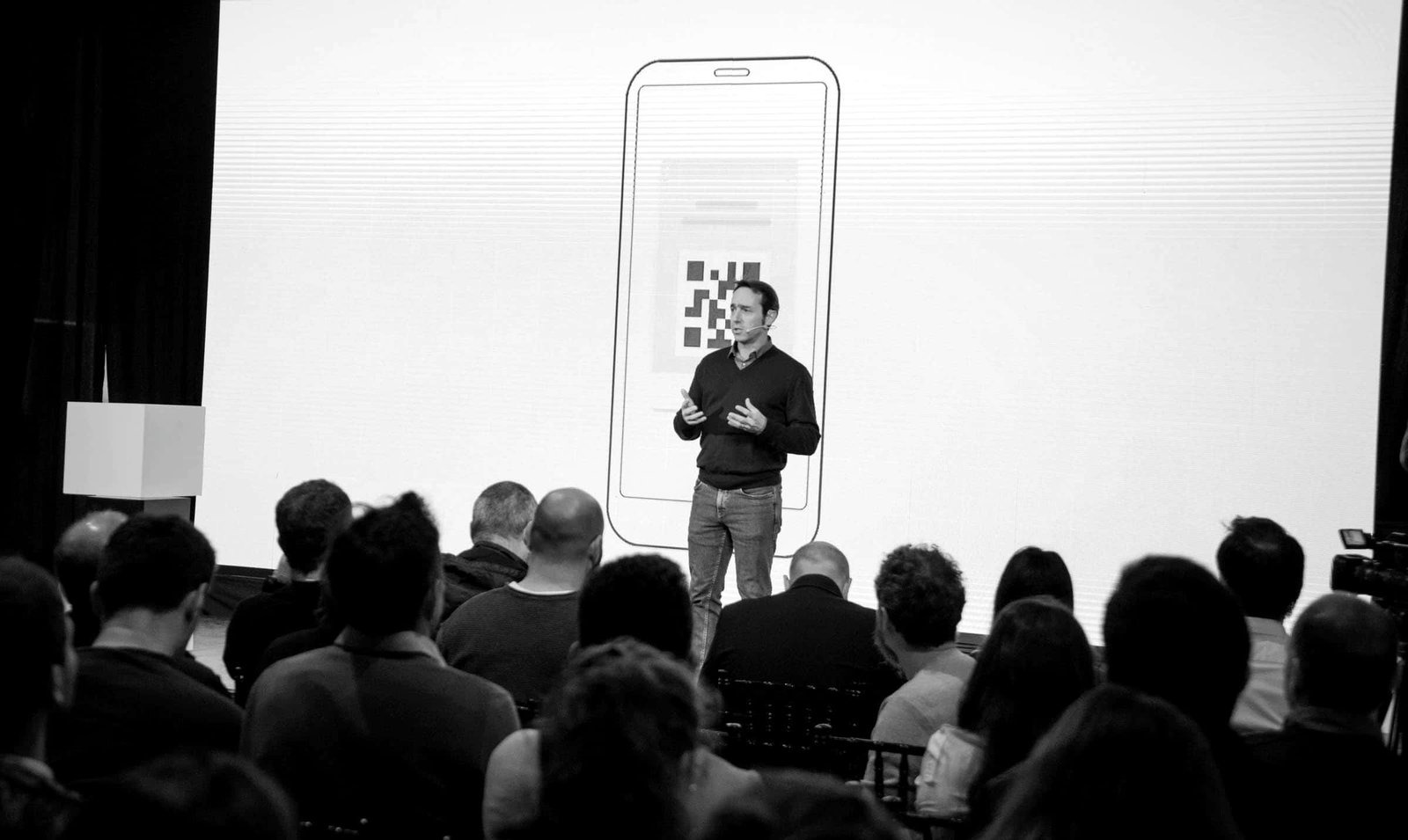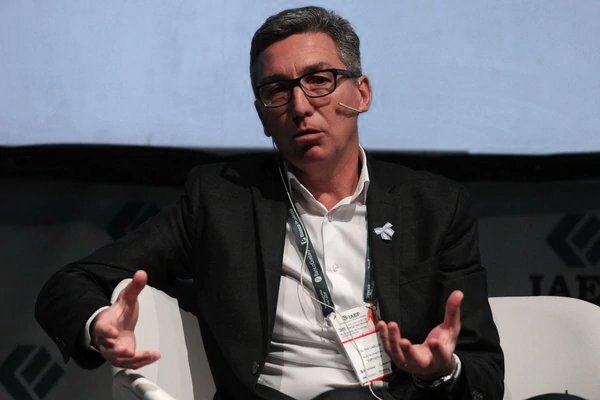
Adrián Kaufmann Brea
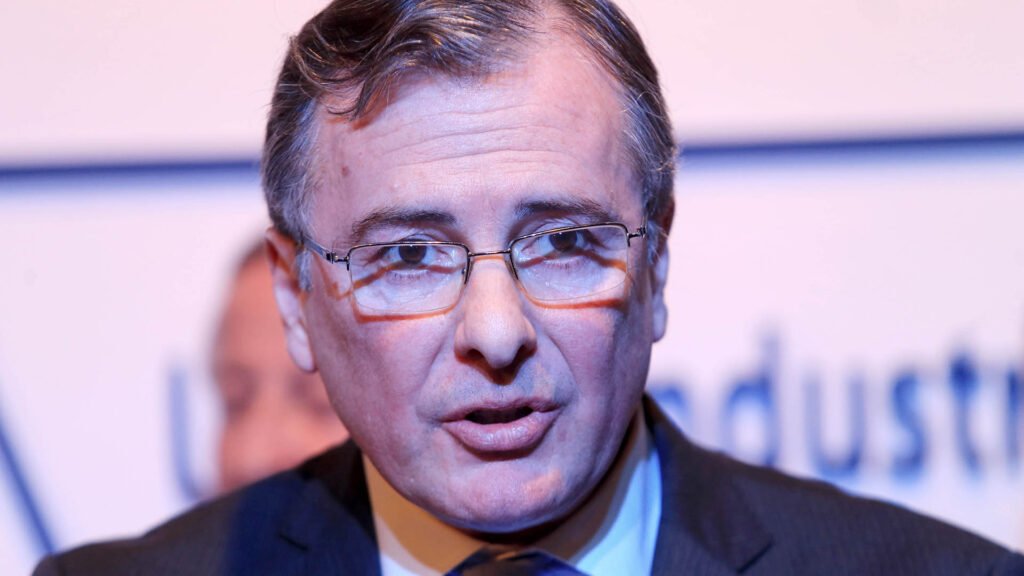
Adrián Kaufmann Brea developed his profile at the intersection of corporate management and institutional representation of the productive sector. His career within Grupo Arcor and his later presidency of the Unión Industrial Argentina positioned him as a relevant actor in the articulation between industry and economic policy. His approach integrates operations, strategy, and negotiation.
Professional trajectory in the food industry
Kaufmann Brea’s development was consolidated within Arcor, where he built an internal career linked to commercial and operational management. The company’s international scope requires coordination across production, logistics, and export markets. His progression reflects the ability to understand the full industrial value chain and sustain decisions oriented toward efficiency and productive scale.
Executive management and leadership at Arcor
As president of Arcor Argentina, he oversaw a complex industrial structure involving multiple plants, distribution channels, and export strategies. Leadership at this level requires cost optimization, quality control, and responsiveness to shifting economic conditions. His role combined strategic planning with operational execution in environments characterized by volatility.
Leadership within the UIA
In 2019, he assumed the presidency of the UIA, a central institution in representing Argentina’s industrial sector. His tenure was shaped by macroeconomic tensions and the COVID-19 pandemic, requiring the promotion of dialogue between private actors and the State. This institutional role involved organizing diverse sectoral demands and building consensus around competitiveness, production, and business sustainability.
Strategic approach and industrial agenda
His public interventions focused on structural variables affecting industry, including tax pressure, access to financing, logistics costs, and trade regulation. These factors directly influence investment capacity and growth potential. From his perspective, industrial policy requires medium-term planning supported by coordinated tools that sustain production under unstable conditions.
Articulation between corporate management and public policy
The transition from corporate leadership to institutional representation reflects a transfer of capabilities. Business logic—based on metrics, process control, and efficiency analysis—translates into technically grounded policy proposals. This integration enables a more applied approach to industrial policy, rooted in practical experience within the productive sector.
Positioning within the business ecosystem
Kaufmann Brea represents a generation of executives with institutional projection, capable of operating both within companies and in sectoral representation spaces. His trajectory highlights the relevance of leadership that understands productive dynamics and can influence policy formulation. It combines management expertise, negotiation capacity, and strategic vision applied to industrial development.
Corporate governance and decision-making
In large-scale industrial structures, corporate governance defines how resources are allocated and risks are managed. His work took place within systems where boards, senior management, and business units must coordinate decisions in real time. This requires reliable information systems, internal controls, and adaptability to regulatory and market changes.
Projection and continuity of the industrial model
His trajectory aligns with the continuity of an industrial model based on productive integration, export capacity, and regional development. In fluctuating economic environments, the sustainability of this model depends on predictable public policies and companies capable of long-term planning. His experience in both Arcor and the UIA supports a perspective oriented toward sustaining production and employment over time.