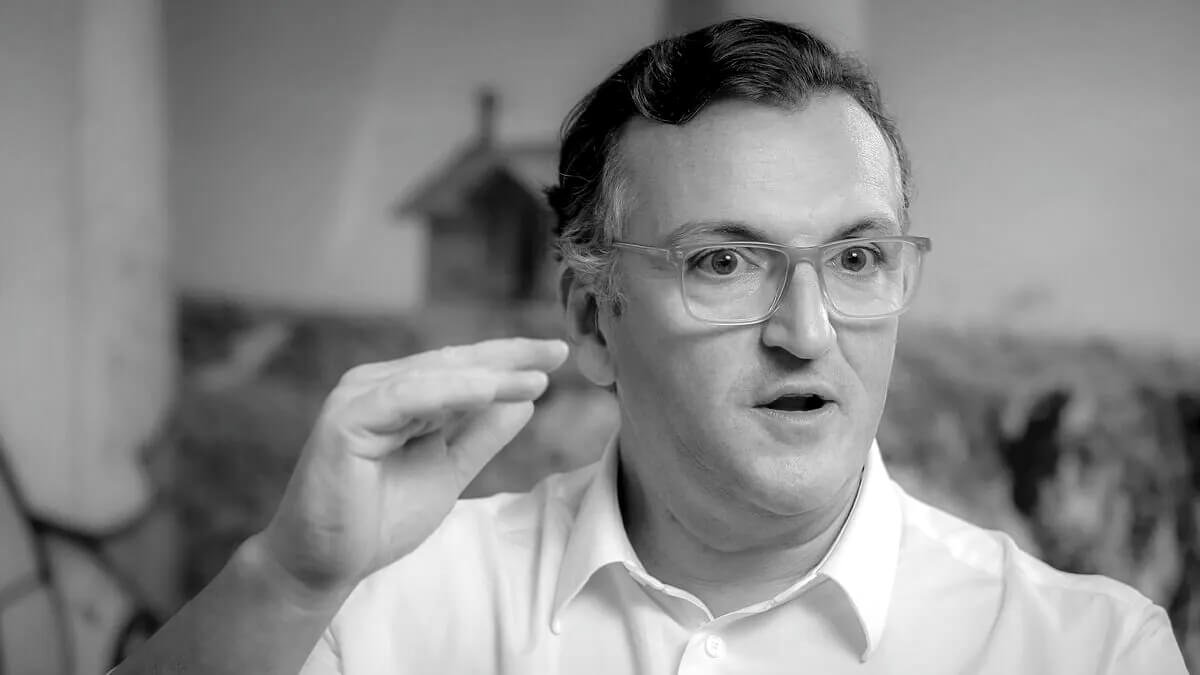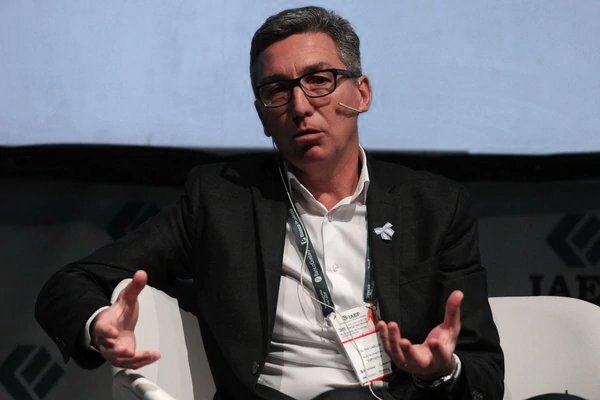
Alejandro Macfarlane

Alejandro Macfarlane developed his executive career at the core of Argentina’s energy system, leading companies responsible for the distribution of natural gas across extensive regions of the country. His professional profile took shape in an environment where business management is shaped by state regulation, critical infrastructure, and constant social demands. From this position, his leadership was defined by operational management, long-term planning, and institutional coordination.
Education and the construction of an executive profile
Macfarlane’s career was built on a technical foundation and a gradual specialization in the management of public utilities. Throughout his professional trajectory, he incorporated knowledge related to network operations, concession management, and the interpretation of the energy regulatory framework. This combination enabled him to develop a comprehensive view of the gas business, understanding the company as a system in which engineering, finance, and regulation operate in an inseparable manner.
Rise to leadership positions
Before assuming the role of CEO, Macfarlane held positions of increasing responsibility within the sector, allowing him to gain in-depth knowledge of the operational challenges of gas distribution. This prior experience proved decisive for his later executive performance, providing technical judgment for strategic decision-making and a direct understanding of the risks involved in delivering an essential service to households, industries, and businesses.
Management at Camuzzi and territorial scope
As the top executive of Camuzzi Gas Pampeana and Camuzzi Gas del Sur, Macfarlane was responsible for one of the country’s main gas distribution groups, operating across multiple provinces with diverse socioeconomic realities. His management unfolded in a context of extensive networks, heterogeneous users, and demanding climatic conditions, requiring a robust operational organization and careful planning of investment and maintenance.
Relationship with the regulatory framework
Macfarlane’s leadership took place in a setting marked by regulatory changes, tariff debates, and macroeconomic tensions. Within this framework, his role involved maintaining the company’s economic viability while complying with the safety and quality standards mandated by regulation. Interaction with oversight bodies and provincial authorities formed a structural part of his responsibilities, integrating the institutional dimension into daily management.
Strategic vision and decision-making
Leading a gas distribution company requires decisions based on long-term horizons, even when contextual constraints limit available resources. In this sense, Macfarlane’s approach prioritized service continuity and the reduction of operational risks. Investment allocation, project planning, and cost management were guided by technical criteria rather than short-term considerations, in a sector where mistakes carry high-impact consequences.
Human capital management
Another central axis of his leadership was the coordination of technical and operational teams spread across wide territories. Training, skill development, and the standardization of procedures were key elements in sustaining adequate levels of safety and efficiency. In a service where human intervention is decisive, building an organizational culture grounded in regulatory compliance and operational responsibility played a central role.
Influence within the energy sector
Alejandro Macfarlane’s influence in the energy sector has been expressed through the sustained management of critical infrastructure during periods of significant instability. His trajectory illustrates how corporate leadership in public utilities differs from other sectors, requiring a balance between profitability, regulation, and social function. From this perspective, his profile offers relevant elements for analyzing the operation of Argentina’s contemporary energy system.