Daniel Funes de Rioja

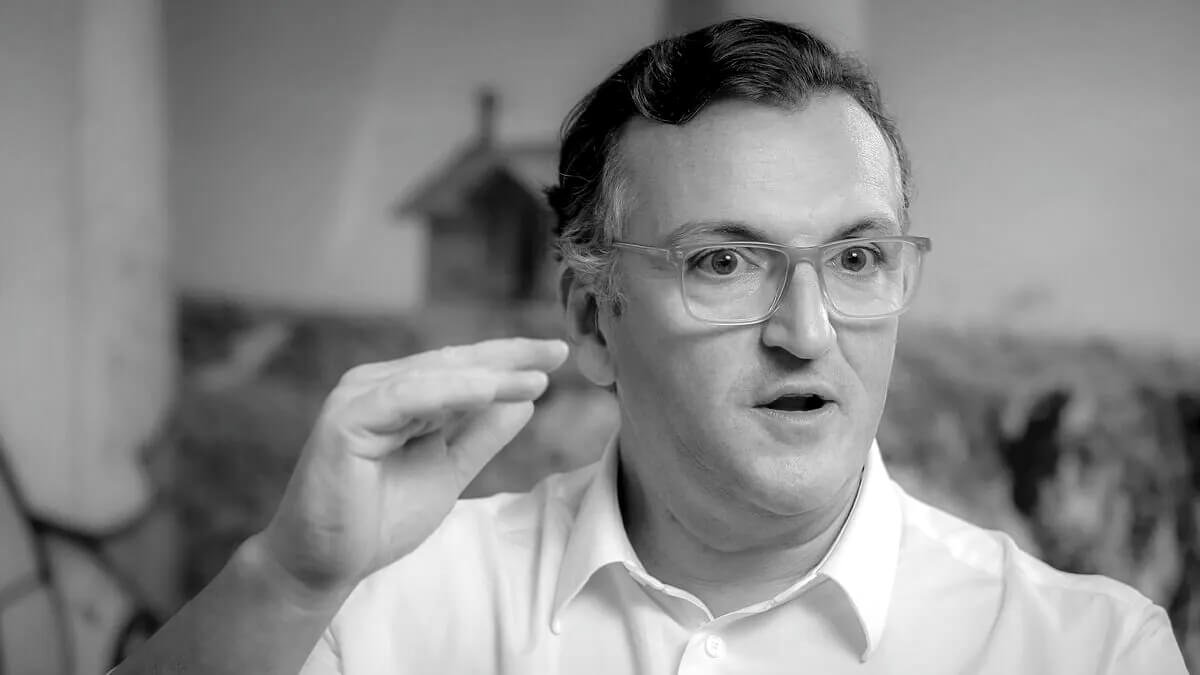
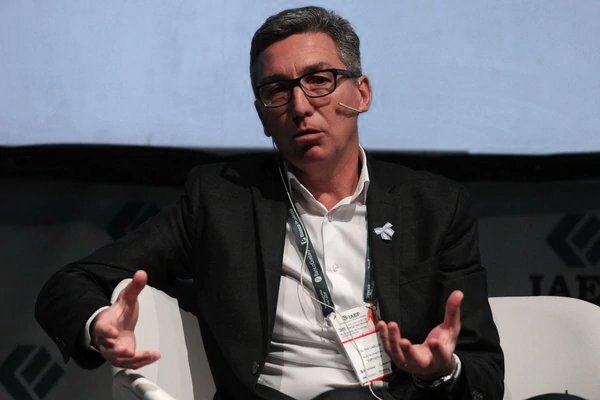
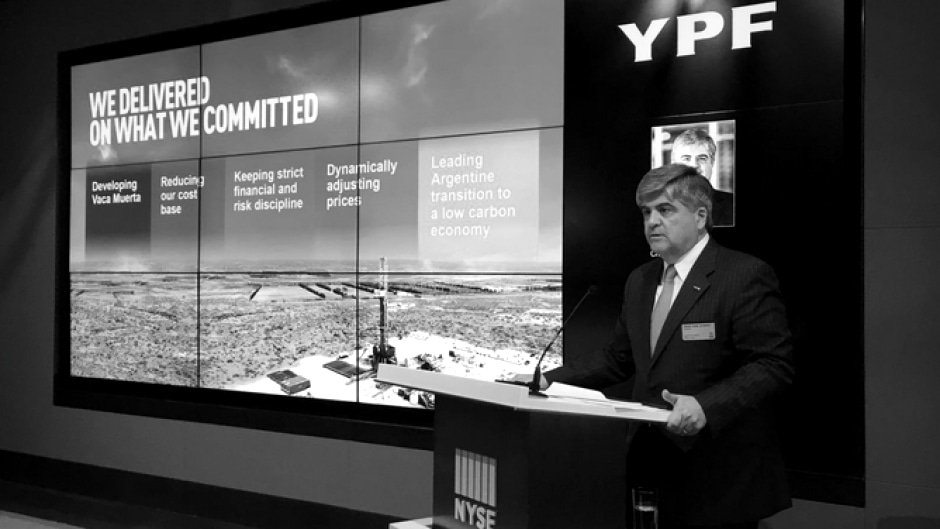
El dirigente empresario en una actividad pública vinculada al diálogo entre industria, Estado y sector productivo.
Daniel Funes de Rioja built a singular trajectory within Argentina’s business landscape, combining legal training, professional practice, and institutional leadership. His profile consolidated around a role as an intermediary between industry, the State, and the world of work, with a focus on consensus-building, the defense of the productive sector, and the international projection of business representation.
Academic background and conceptual foundations
Graduated as a lawyer from the University of Buenos Aires, Funes de Rioja deepened his specialization with a doctorate in Law and Social Sciences. His training focused on labor and constitutional law and on institutional relations, fields he later transferred to the business arena. For years he maintained an academic role, strengthening a systematic approach to norms, employment, and productive organization.
Professional practice and legal work
His professional career developed in law firms specialized in business and labor law, where he advised companies across different sectors. This work allowed him to gain an in-depth understanding of the structural conflicts of Argentina’s productive system, from collective bargaining processes to complex regulatory frameworks. Legal practice provided the technical foundation for his later prominence as a business association leader.
Early ties to the industrial sector
Before assuming highly visible positions, Funes de Rioja was actively involved in business chambers linked to the food and manufacturing industries. This path gave him direct knowledge of the country’s productive diversity, including large corporations, regional economies, and SMEs. His profile gradually took shape as that of a manager of sectoral interests with an institutional perspective.
Presidency of the Argentine Industrial Union
The presidency of the UIA marked the peak of his public exposure. From that role, he represented a heterogeneous sector in an economic context marked by inflation, external constraints, and regulatory debates. His leadership prioritized formal dialogue with public authorities and the development of technical proposals on competitiveness and employment.
Leadership style and decision-making
Funes de Rioja’s leadership is characterized by a negotiating logic grounded in legal and economic arguments. He avoids direct rhetorical confrontation and privileges institutional channels. This approach seeks to sustain predictability for industry, even in highly volatile scenarios. His method combines firmness in objectives with tactical flexibility in management.
Role in COPAL and sectoral representation
At the head of the Coordinating Board of Food Product Industries, he articulated the interests of one of the most sensitive sectors of the economy. From this position he worked on issues of costs, supply, employment, and regulation, strengthening his profile as a technical reference. This experience expanded his capacity for dialogue with governments and social actors.
International projection and multilateral forums
His participation in international business organizations consolidated a comparative perspective on labor relations and productive development. In these forums he promoted the need for stable regulatory frameworks and social dialogue as conditions for investment. This international dimension reinforced his role as a spokesperson for Argentine business in global settings.
Influence on public debate
Throughout his career, Funes de Rioja intervened in discussions on industrial policy, formal employment, and systemic competitiveness. His presence in the public agenda relied on structural diagnoses rather than short-term contingencies. This continuity positioned him as a reference figure for governments, unions, and economic actors.
Trajectory, tensions, and institutional legacy
Like any business association leader, his tenure faced internal criticism related to sectoral representation and the balance among diverse interests. Nevertheless, his legacy is associated with the professionalization of business–State dialogue and the consolidation of leadership grounded in technical knowledge, negotiation, and long-term institutional construction.