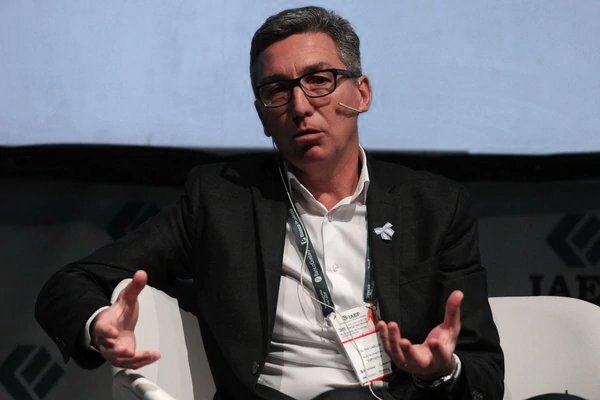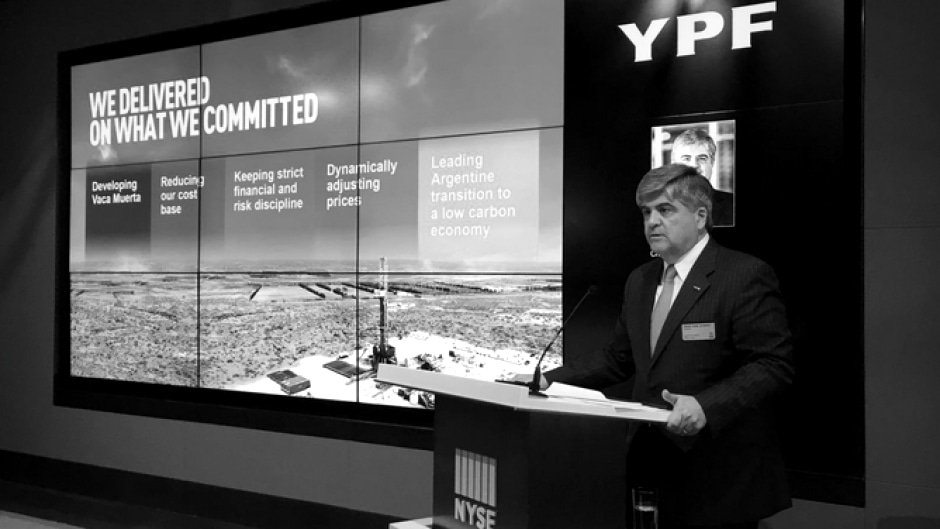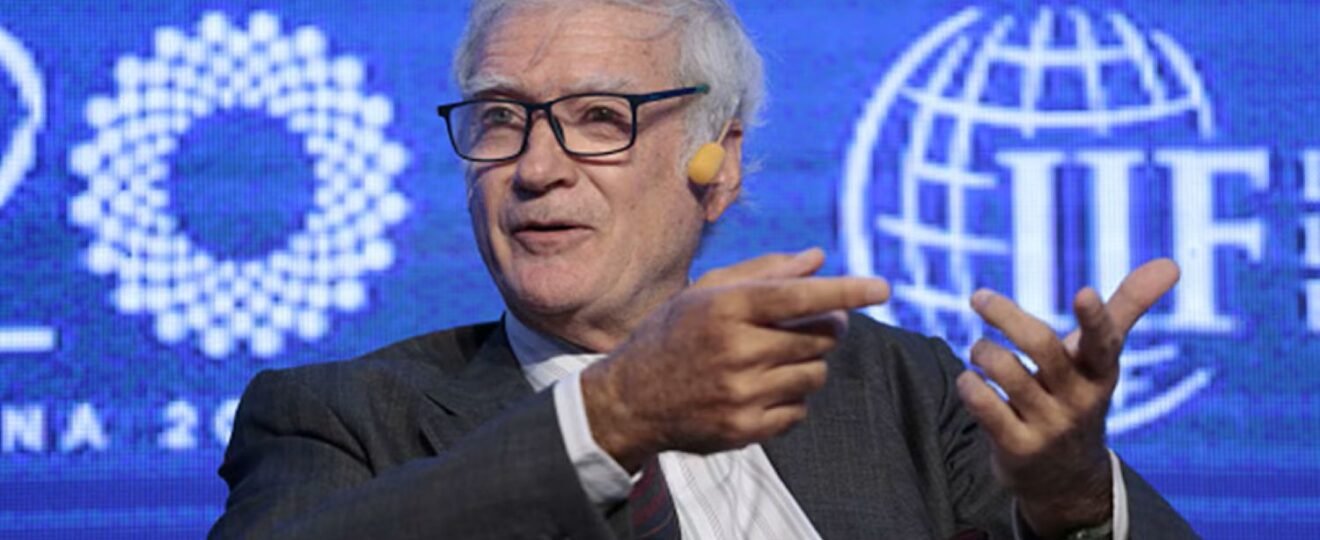
Eduardo Escasany
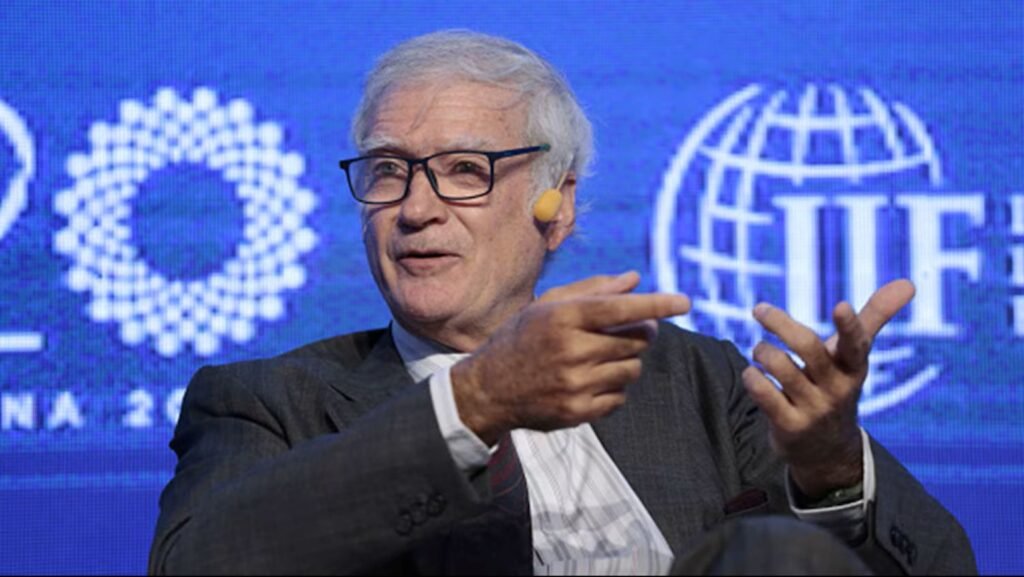
Eduardo Escasany belongs to a generation of executives who led the development of Argentina’s private banking sector during the second half of the twentieth century and the beginning of the twenty-first. From his position as president of Banco Galicia, his management became associated with institutional expansion, technological modernization, and the diversification of financial services. The evolution of the bank under his leadership reflects broader structural transformations within Argentina’s financial system and the adaptation of a historic institution to changing economic conditions.
Origins and banking tradition
Eduardo Escasany’s trajectory is closely linked to one of the oldest financial institutions in Argentina. Banco Galicia was founded in 1905 in Buenos Aires by Galician immigrants, originally with the purpose of facilitating credit and savings operations for commercial communities connected to Spanish immigration. Over time, the institution expanded its activities and developed into a nationally recognized bank with a significant presence in Argentina’s economy.
Professional formation and connection to bank leadership
Escasany’s professional development took place within a family business environment connected to banking activities. Financial management requires knowledge related to credit risk analysis, liquidity administration, investment evaluation, and compliance with regulations established by the financial system. These elements constitute the technical foundation for directing a banking institution and shape the strategic decisions that influence its institutional growth.
Presidency of Banco Galicia
Eduardo Escasany assumed the presidency of Banco Galicia in 1978, during a period marked by major transformations in the Argentine financial system. Leading a banking institution involves overseeing strategic areas such as credit policy, deposit acquisition, financial product development, and relations with regulatory authorities. During his tenure, the bank strengthened its presence in the retail banking segment and expanded its network of branches across different regions of the country.
Expansion of retail banking
One of the defining features of Banco Galicia’s business model was the strengthening of retail banking. This segment focuses on financial services directed at individuals and small businesses, including checking accounts, credit cards, personal loans, and commercial financing. Expanding this market segment allowed the bank to build a broad client base and maintain a continuous flow of financial operations within its institutional structure.
Incorporation of technology into banking
Technological transformation profoundly altered the way banking institutions operate. During Escasany’s leadership, Banco Galicia introduced digital tools designed to optimize operational processes and improve customer access to financial services. The implementation of automated teller machines, electronic banking, and later digital platforms formed part of a broader global process that reshaped the technological infrastructure of banking.
Development of Grupo Financiero Galicia
The institutional evolution of the bank included the creation of Grupo Financiero Galicia, a corporate structure that integrates several companies connected to financial services. This model allows complementary activities to operate within the same corporate group. These activities include insurance services, consumer financing, investment services, and financial solutions oriented toward businesses, thereby expanding the operational reach of the organization.
Institutional participation within the financial sector
In addition to his role within Banco Galicia, Eduardo Escasany participated in various organizations connected to Argentina’s financial system. These institutions perform functions related to business representation, economic analysis, and institutional dialogue with regulatory authorities. Interaction among banks, monetary authorities, and business associations plays an important role in shaping regulatory frameworks that influence the operation of the financial system.
Banking management in changing economic contexts
The recent history of Argentina’s economy has been characterized by cycles of inflation, monetary reforms, and financial crises. In such an environment, the leadership of a banking institution requires strategies oriented toward capital preservation and financial risk management. Asset administration, liquidity management, and credit evaluation represent central tools for maintaining the institutional stability of a bank.
Influence on Argentina’s private banking sector
Eduardo Escasany’s career is frequently examined within the broader consolidation process of Argentina’s private banking sector. The evolution of Banco Galicia during his presidency illustrates how a historic financial institution adapted to economic, technological, and regulatory transformations. The bank’s operational continuity across different macroeconomic contexts reflects a model of leadership oriented toward institutional development and long-term presence within Argentina’s financial system.