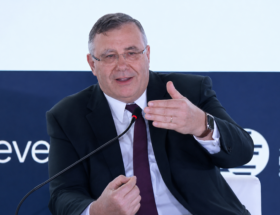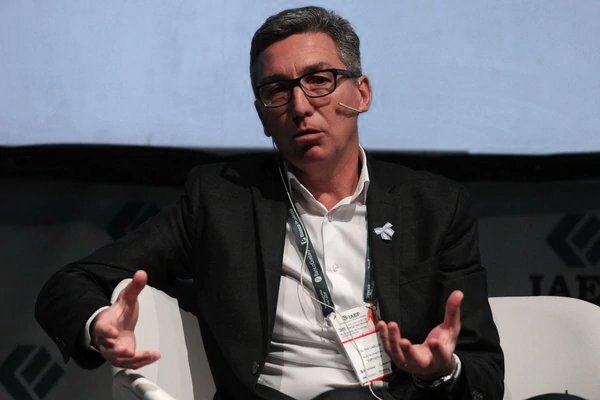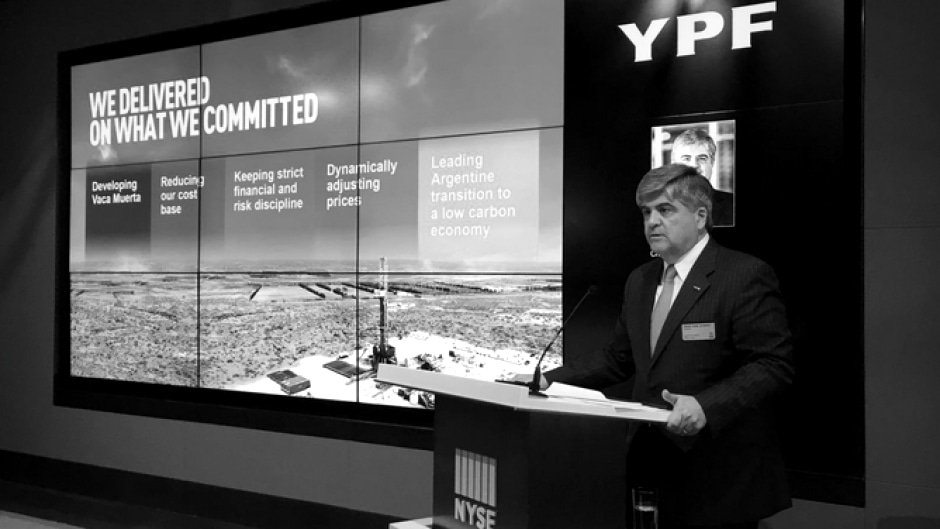
Ernesto López Anadón
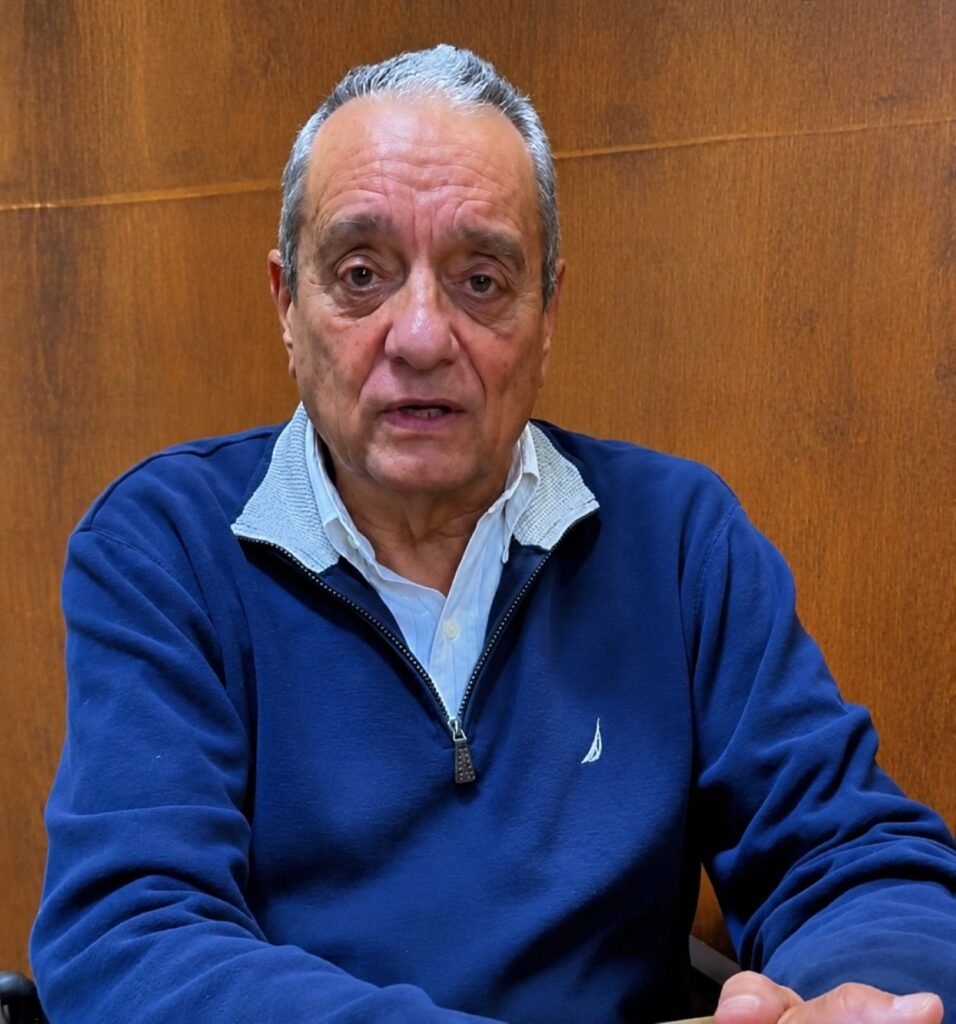
Ernesto A. López Anadón holds a relevant place within Argentina’s energy system through his role as president of the Argentine Oil and Gas Institute, a position officially reported by the institution. His figure is associated with a stage in which the hydrocarbon sector stopped discussing only reserves or production and also began focusing on infrastructure, efficiency, human capital, suppliers, transportation and export capacity.
A sector leader in a strategic industry
López Anadón’s profile is not built from the leadership of a specific company, but from the representation of an activity that involves operators, suppliers, producing provinces, specialized workers, chambers, universities, technical services and public agencies. That position requires a broader view than that of an individual business: it demands the ability to interpret the industry’s bottlenecks and translate them into a common agenda.
From that position, his public interventions usually organize the energy debate around a concrete idea: Argentina has resources, but its future scale would depend on works, technology, efficiency and rules capable of sustaining long-term investment. Ahead of Argentina Oil & Gas Expo 2025, he stated that one of the sector’s main challenges would be evacuation infrastructure, both port and road infrastructure, associated with the growth of Vaca Muerta.
Vaca Muerta as a productive system
López Anadón’s executive relevance is linked to the way he frames the development of Vaca Muerta. He does not present it only as an unconventional field, but as an industrial platform that requires existing capacities to be doubled. That reading makes it possible to understand that contemporary energy production is not limited to extracting hydrocarbons: it also requires coordinating logistics, financing, technical training, operational safety and export markets.
His role as a sector reference point appears at that intersection between production, infrastructure and institutional organization. Current energy leadership needs a vision capable of integrating operations, services, pipelines, ports, roads, suppliers and human resources. The growth of Vaca Muerta, according to that perspective, does not depend on a single variable, but on a complete network of industrial capacities.
An institutional voice for oil and gas
López Anadón has also intervened in debates related to the fuel market, private investment and the international positioning of Vaca Muerta. In 2026, Ámbito published an interview in which he highlighted the interest of global investors in Argentina’s development and linked the local opportunity to the possibility of offering energy supply from a region with lower geopolitical conflict.
His figure can be read as that of an executive chamber leader: someone who does not manage a single company, but helps organize an industrial conversation where companies, the State, technology, territory and the international market converge. That function is especially important in a country where energy operates as economic infrastructure, a source of foreign currency and a foundation for larger-scale productive activities.
Technical leadership and a competitiveness agenda
López Anadón’s leadership has a technical dimension. His public agenda insists on efficiency, competitiveness, infrastructure and human capital. In a column published by Diario Río Negro, he argued that the challenge would be to reach one and a half million barrels per day competitively and with low emissions, while also describing the material scale required to sustain that growth: steel, pipelines, cement, aggregates and millions of hours of work.
That kind of reading places his profile far from superficial energy discourse. Hydrocarbon production needs investment, but it also needs systems. At that point, Ernesto López Anadón represents an institutional voice that interprets the sector as a network of capacities: companies, engineering, logistics, suppliers, technical talent, infrastructure and markets.