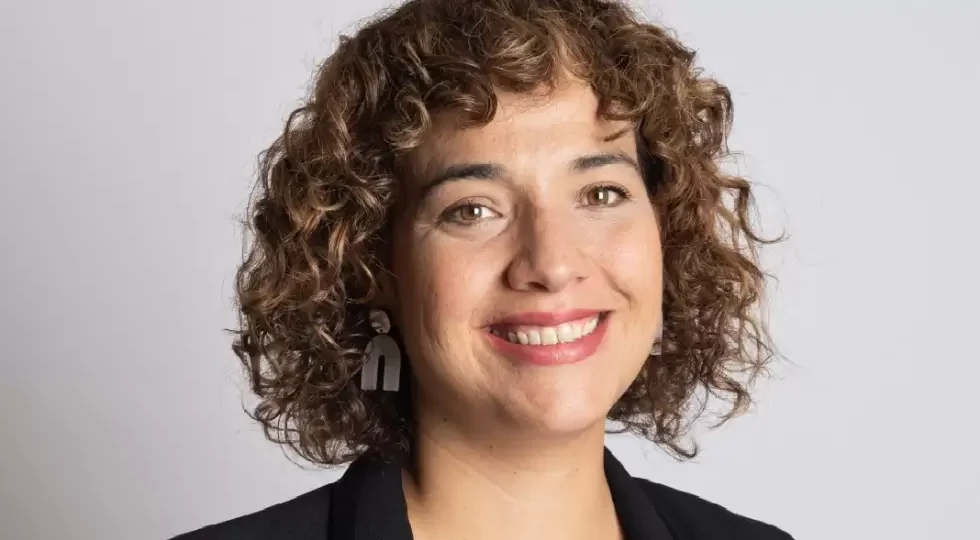
Gala Díaz Langou
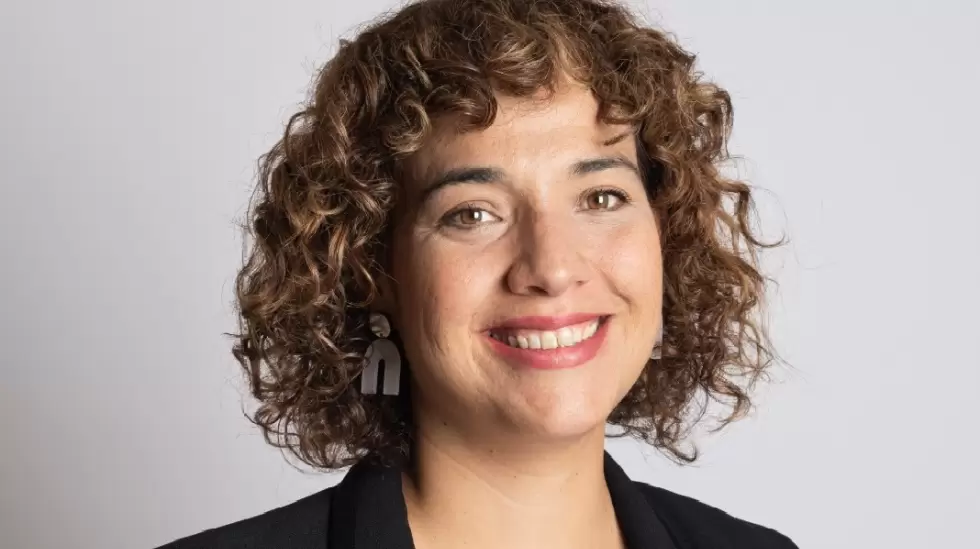
Gala Díaz Langou consolidated a public career through applied research, institutional management and the design of social policies. Her work at CIPPEC, her focus on social protection and her participation in international networks position her as an Argentine reference in development, gender equity, care policies and childhood.
An Argentine reference in public policy
Gala Díaz Langou built a career linked to the design, analysis and communication of public policies. Her name became associated with CIPPEC, where she developed much of her professional path and held technical and leadership responsibilities. In that field, her leadership was not expressed through the classic business logic, but through the ability to organize evidence, lead specialized teams and turn complex social problems into concrete proposals for public debate.
Academic training and a view on development
Her training combines international studies, public policy and development management. That foundation allowed her to work with a broad perspective on poverty, inequality, childhood, care and employment. In her case, academic knowledge does not appear separated from management, but applied to institutional decisions. Public policies require data, budget analysis, understanding of the state and social interpretation; that combination runs through much of her professional path.
Growth within CIPPEC
Díaz Langou joined CIPPEC in 2006 and developed a sustained path there until reaching the executive direction. Before holding that position, she led the Social Protection Program, an area dedicated to studying policies aimed at reducing economic and social vulnerabilities. Her work addressed issues such as income transfers, child poverty, employment, social security, family leave and care systems, always from an evidence-oriented perspective.
Executive direction and institutional leadership
Between 2021 and 2025, she served as executive director of CIPPEC, a role that requires strategic leadership, team management, dialogue with public and private actors, and the defense of technical independence. Leading a think tank involves more than coordinating research: it requires sustaining reputation, defining priorities, managing resources and bringing specialized knowledge closer to public decisions. Her profile as a leader was consolidated at that intersection between analysis, management and influence.
Social protection as a management agenda
One of the most important axes of her career was social protection. This field brings together policies designed to reduce economic and social risks, such as income programs, pensions, leave policies, child coverage, care services and labor tools. Díaz Langou worked on that agenda with an integral vision: it is not only about assisting critical situations, but about building systems capable of preventing poverty, improving opportunities and organizing sustainable state responses.
Gender, care and labor participation
The care agenda occupied a central place in her technical production. Care includes childrearing tasks, support for older adults, assistance for people with disabilities and domestic work. When those responsibilities fall unequally on women, they affect their economic autonomy and labor participation. Díaz Langou analyzed this problem as both a social and productive issue, because the organization of care also defines income, employment, available time and development.
Public influence and international networks
Her career also included participation in international spaces linked to development and equity. She took part in debates associated with Women 20, the G20 engagement group focused on women’s economic inclusion, and participated in analysis networks on social progress. That projection makes it possible to connect Argentine problems with global discussions on inequality, employment, care and well-being. Her influence was supported by a combination of local knowledge and comparative perspective.
An executive vision applied to social impact
Gala Díaz Langou’s leadership shows that executive direction can also develop within social and technical organizations. Her work combined institutional management, evidence production, public communication and agenda building. In a country marked by persistent poverty, gender inequality and state tensions, her contribution was located at a specific point: raising the quality of public debate through data, proposals and a strategic reading of social development.