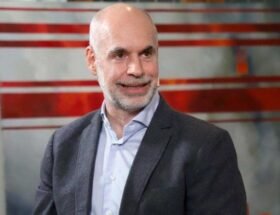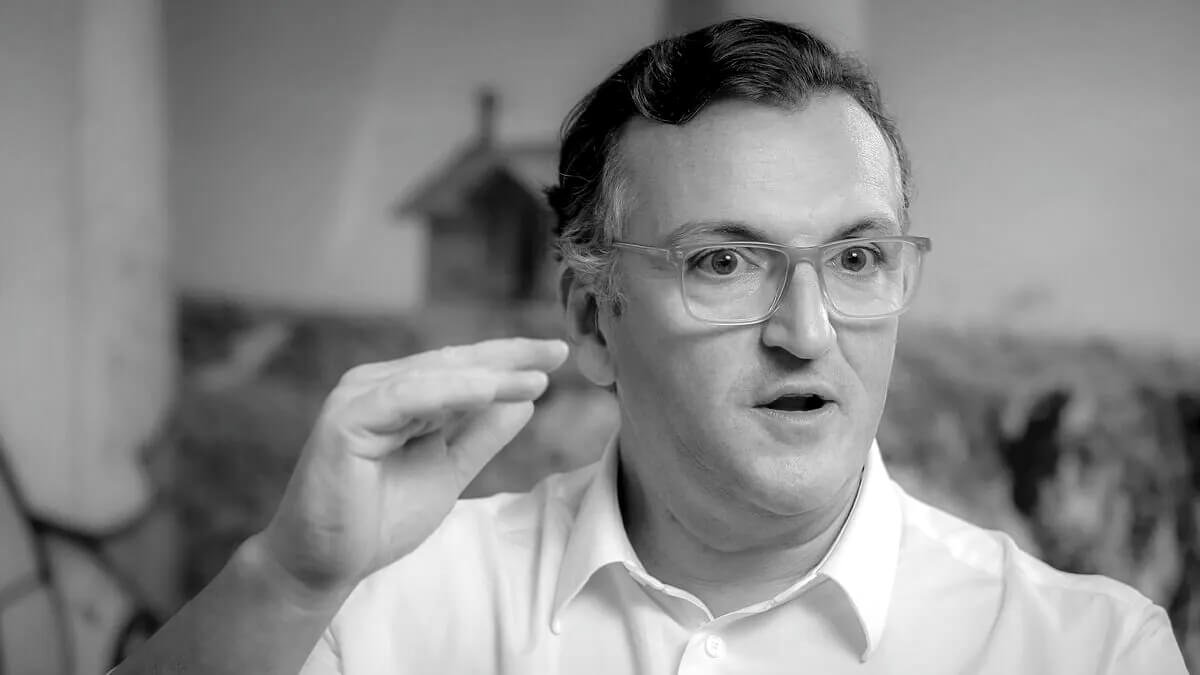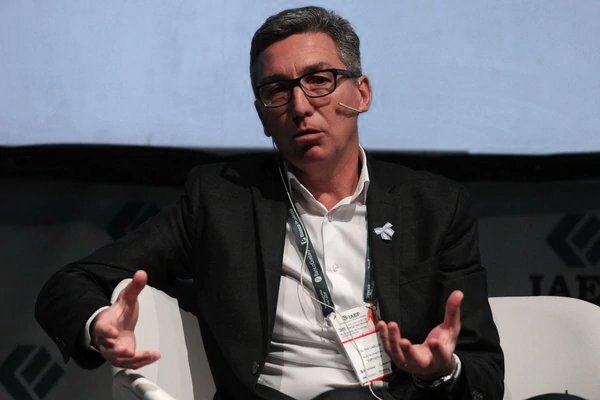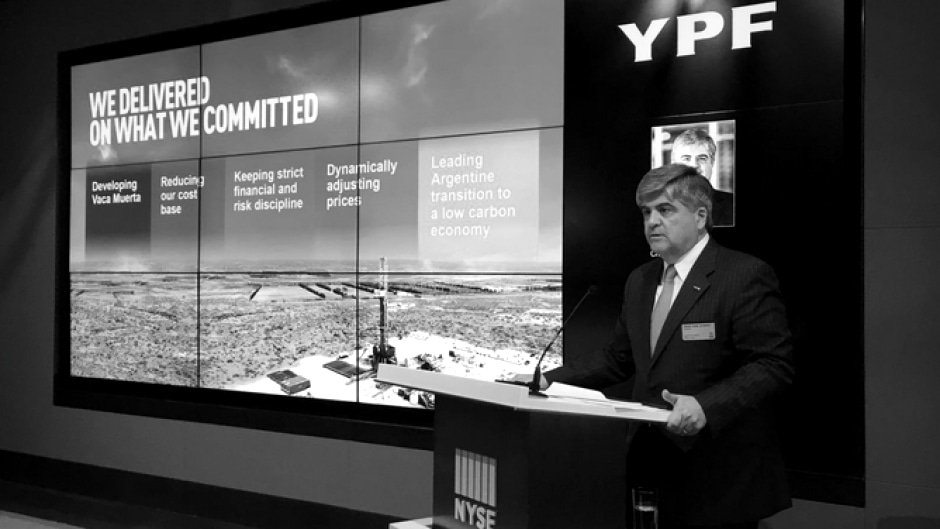
Hugo Passalacqua
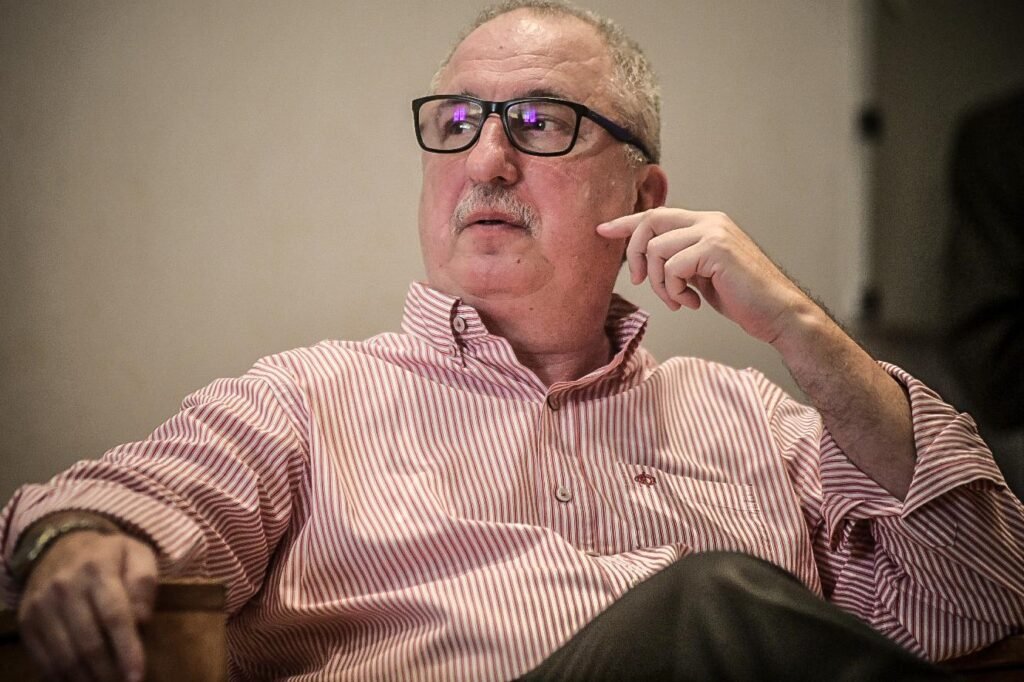
The trajectory of Hugo Passalacqua is structured through a combination of academic training, institutional experience, and leadership capacity. His profile integrates political analysis with management criteria typical of complex organizations, where stability, planning, and territorial coordination guide decision-making.
Academic formation and conceptual base
Passalacqua’s background in political science establishes the core of his management approach. His academic path incorporates institutional analysis, state theory, and strategic planning, enabling him to interpret public administration as a dynamic system. This foundation supports decisions that extend beyond immediate circumstances, maintaining coherence over time.
Political development and trajectory building
His political career developed within the Frente Renovador de la Concordia, the main governing force in Misiones. His progression includes both legislative and executive roles, providing a comprehensive understanding of state structures. This trajectory shaped a leadership model based on institutional awareness and operational capacity.
Vice governorship as consolidation stage
During his tenure as vice governor between 2011 and 2015, he expanded his experience in political coordination. The role required aligning executive decisions with legislative dynamics, facilitating the implementation of public policies. This phase strengthened negotiation skills and strategic alignment, later reflected in his leadership as governor.
Governorship and provincial administration
In his first term as governor, beginning in 2015, Passalacqua implemented a model focused on fiscal stability and continuity of structural programs. His administration prioritized sustainability in key policy areas while maintaining financial balance. This approach continued with his return to office in 2023, reinforcing operational consistency and long-term planning.
Leadership based on consensus and stability
His leadership style emphasizes consensus over confrontation. The construction of agreements enables policy continuity in complex environments involving multiple actors. This approach reduces uncertainty and strengthens institutional stability by managing tensions through negotiation.
Territorial management and economic development
Misiones has a diversified productive structure requiring differentiated interventions. His administration promotes sectors such as agriculture, forestry, and tourism, coordinating public policies with private actors. The provincial State functions as a facilitator, creating conditions for investment, employment generation, and value-added production.
Management approach with organizational criteria
A defining feature of his governance is the incorporation of management practices associated with organizational efficiency. Planning, resource control, and performance evaluation are central to his operational framework. Public administration is treated as a system requiring optimized resource allocation and continuous monitoring.
Political positioning and provincial autonomy
Passalacqua operates within a political structure that maintains relative autonomy from national dynamics. This allows for the design of strategies tailored to local conditions. The provincial framework supports continuity in governance, prioritizing territorial objectives over external alignments.
Projection and strategic continuity
Sustained leadership at the provincial level consolidates a model where predictability becomes a key asset. Medium-term planning supports uninterrupted public policies and stable development conditions. His trajectory reflects the integration of academic formation, institutional experience, and management-oriented governance focused on operational stability.