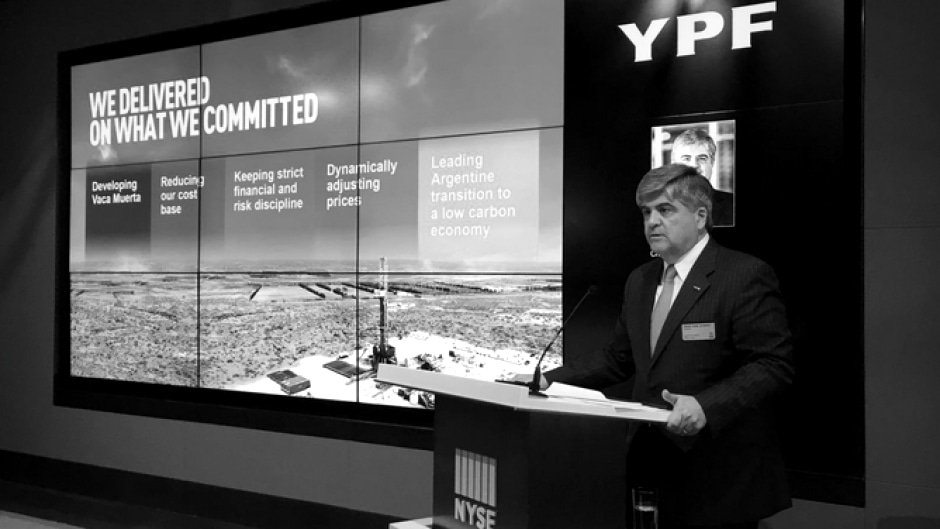
Martín Zurita
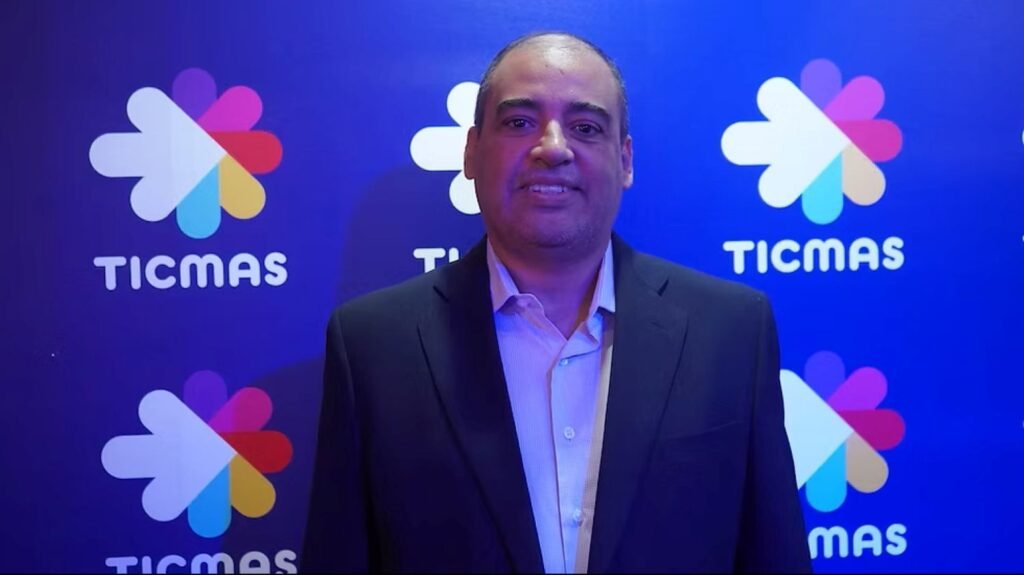
Martín Zurita’s career is marked by results-oriented management in a sector that has historically been fragmented. From executive positions, he engaged in structural debates on funding, regulation, educational quality, and the link between schooling and employment, shaping a recognizable technical voice within Argentina’s education ecosystem, both in institutional settings and in public discussion.
Training and Early Professional Path
His professional development rested on an early understanding of education as a complex system, where public and private actors operate under different logics but with convergent objectives. In his first management experiences, he incorporated strategic planning tools, institutional administration, and sector representation, laying the foundation for an executive profile with negotiation capacity and a macro-level reading of the educational environment.
Leadership in Organized Private Education
As Executive Director of AIEP, Zurita assumed leadership of an entity that brings together thousands of educational institutions across the country. From that role, he professionalized internal processes, strengthened dialogue with state bodies, and promoted an agenda centered on regulatory predictability, curriculum updating, and the defense of the right to teach. His management prioritized data, comparative diagnostics, and operational consensus-building.
A Vision of Human Capital and Employability
One of the core axes of his discourse and action has been the development of human capital aligned with productive demand. Zurita promoted the review of educational pathways, the incorporation of transversal competencies, and sustained dialogue with business and technology sectors. His approach frames education as a strategic infrastructure for development, beyond political cycles.
Influence in Public and Policy Debate
Without holding partisan office, his influence has projected into the policy arena through technical proposals, participation in working groups, and a steady presence in specialized media. Zurita built legitimacy as a sector interlocutor by maintaining consistent positions on tuition levels, teacher salaries, pedagogical innovation, and funding models, avoiding simplified narratives and privileging long-term frameworks.
Management Style and Decision-Making
His leadership is characterized by a combination of technical rationality and institutional reading. In contexts of high economic uncertainty, he prioritized the operational stability of the organizations he represents, the protection of the educational fabric, and the construction of gradual agreements. This style enabled him to sustain strategic continuity in changing scenarios, with a focus on sector governance.
Projection and Systemic Impact
Martín Zurita’s profile goes beyond corporate representation. His work contributed to establishing the notion of private education as a complementary actor within the national education system, with social responsibilities and verifiable quality standards. Within that framework, his influence is reflected in the formation of management cadres, in the public agenda, and in the articulation between education and economic development.