Patrick Pouyanné and the global energy board
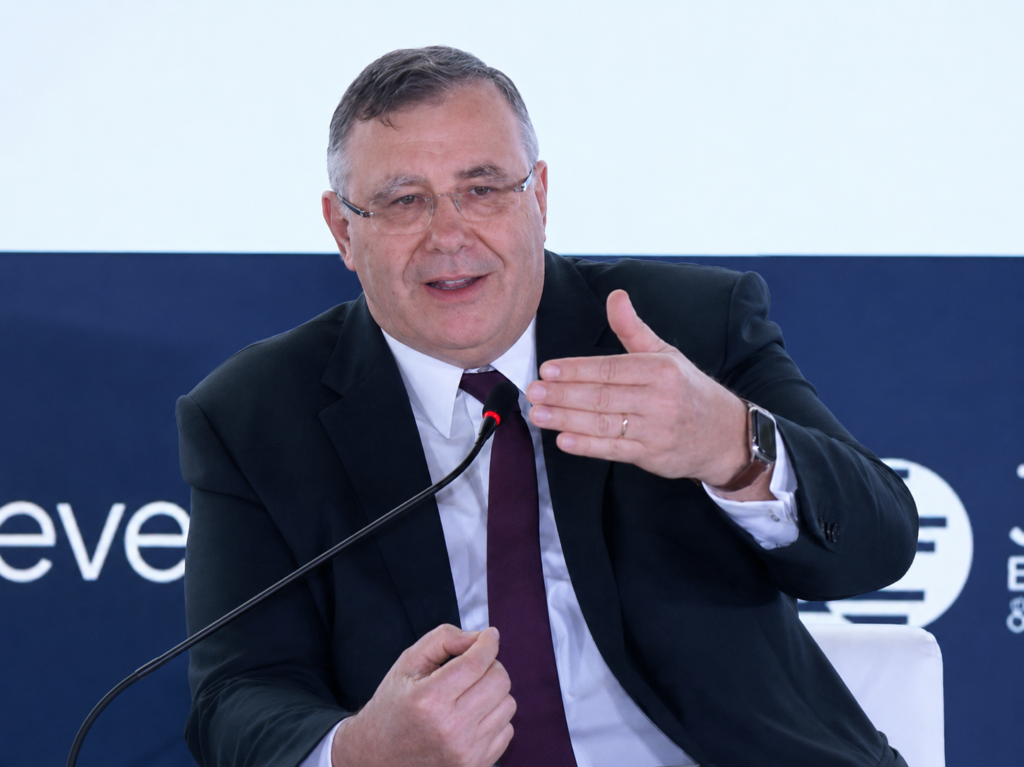
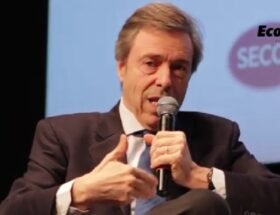
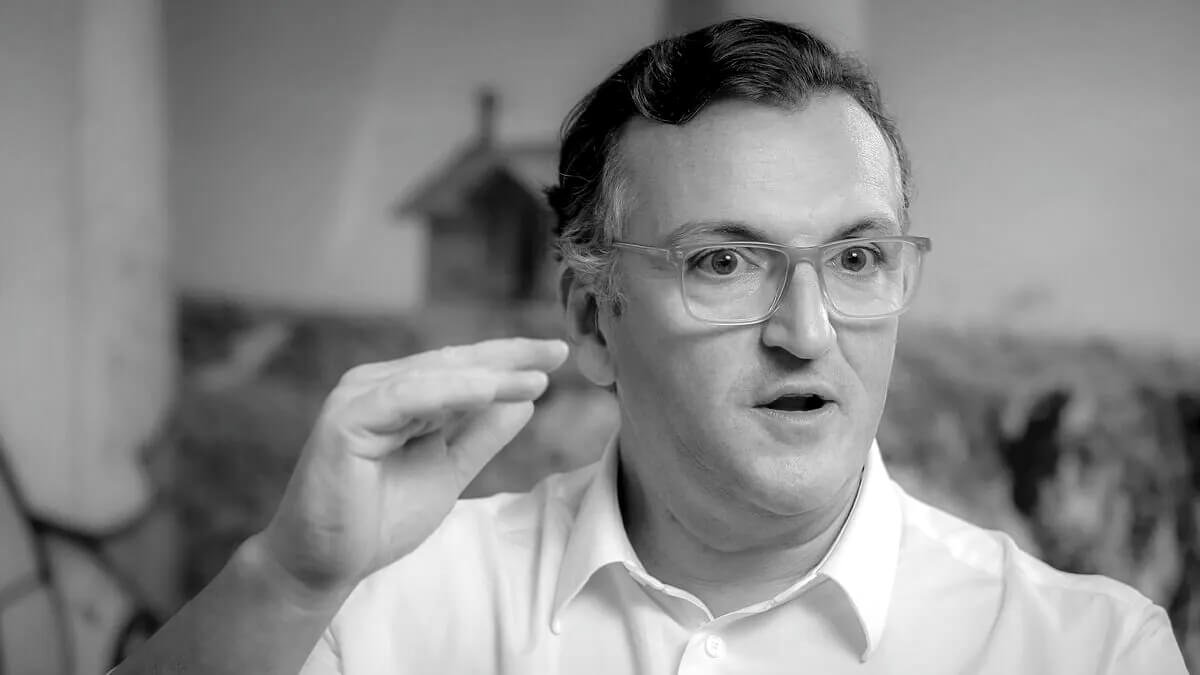
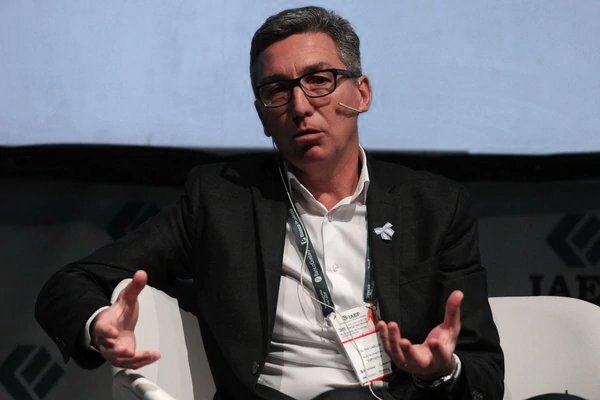
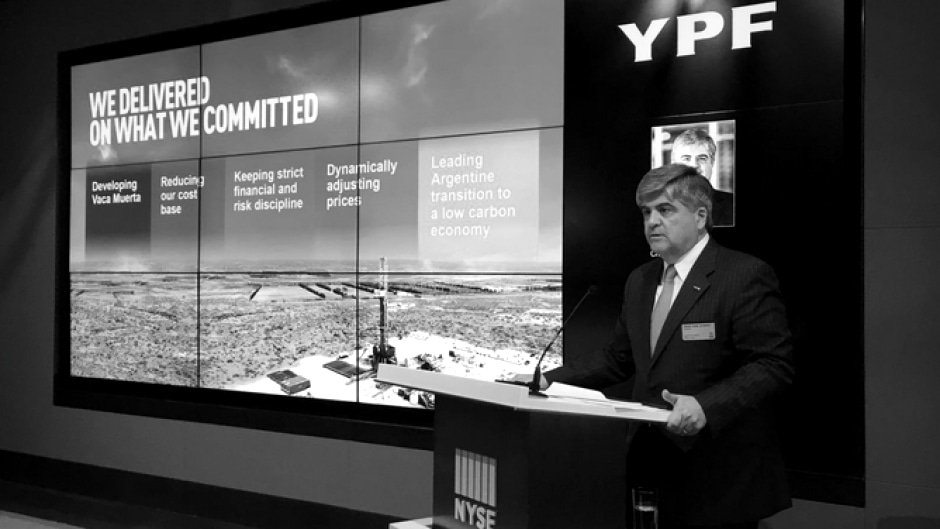
Patrick Pouyanné occupies a central place among business leaders in the international energy sector. As chairman and CEO of TotalEnergies, he leads a global company involved in oil, natural gas, electricity, renewables, biofuels and lower-carbon intensity solutions. His leadership unfolds in an industry where every decision requires a combination of technical knowledge, geopolitical reading, financial discipline, risk control and the ability to manage long-term assets. TotalEnergies confirms that Pouyanné is chairman and chief executive officer of the company, with his mandate as director renewed in 2024 until 2027.
Global scale with financial discipline
His management can be analyzed through one central idea: scale only creates value when it is accompanied by discipline. In energy, growth without order can become a risk. Oil, gas, electricity or infrastructure projects require enormous investments, complex permits, long maturation periods and exposure to external variables. A regulatory change, a fall in crude oil prices, a geopolitical tension, an increase in interest rates or an operational delay can alter the value of an investment. For that reason, Pouyanné’s leadership is not defined only by expansion, but by rigorous asset selection, cost control and the ability to sustain returns.
Under his leadership, TotalEnergies consolidated a multi-energy strategy organized around two major pillars: Oil & Gas, mainly liquefied natural gas, and Integrated Power, where electricity, renewables and integrated generation and commercialization models are located. In its 2025 strategic presentation, the company set out to increase total energy production, including oil, gas and electricity, by around 4% annually through 2030. At the same time, it announced a 7.5 billion dollar savings program for the 2026-2030 period and reduced its net capex guidance for 2026 to around 16 billion dollars.
That point shows a business leadership based on balance. Pouyanné must sustain the businesses that still generate much of the company’s cash flow, while also accelerating new energy areas. The energy transition does not immediately eliminate demand for hydrocarbons, but it does force companies in the sector to modify their portfolios, reduce operational emissions, invest in electricity and prepare for new forms of energy consumption. The challenge is not to lose profitability during that process. For a company such as TotalEnergies, the transition cannot be only an institutional narrative: it must translate into projects, contracts, infrastructure, returns and measurable results.
Current leadership in the energy transition
The 2026 context reinforces this business angle. TotalEnergies’ Board met on March 18, 2026, under Pouyanné’s chairmanship and called the Shareholders’ Meeting for May 29, 2026. That detail keeps him at the center of the company’s governance and makes it possible to present his leadership as current, not only historical. It also shows that his management remains linked to sensitive corporate decisions, at a stage where the company combines shareholder returns, energy transition and investment control.
Electricity has become one of the most relevant axes of that transformation. TotalEnergies reported that it aims to increase its electricity production by around 20% annually through 2030, with a target of between 100 and 120 TWh per year and an estimated composition of 70% renewables and 30% flexible gas. That strategy shows a commitment to a business less exposed to traditional oil cycles, although it also requires investments in generation, grids, storage, intermittency management and commercialization.
The 2025 results reinforce this profile. TotalEnergies reported adjusted net income of 15.6 billion dollars, cash flow close to 28 billion dollars and a return on average capital employed of 12.6%, in a context of weaker oil prices. These indicators make it possible to read Pouyanné’s management through a logic of resilience: sustaining profitability even when the market becomes less favorable.
Patrick Pouyanné therefore represents a type of executive leadership specific to large global infrastructure companies. His management is not limited to directing an oil company, but to coordinating a multi-energy organization that must invest in the present and in the future at the same time. His business profile shows how contemporary energy leadership depends on scale, capital discipline, operational efficiency, technological adaptation and the ability to make decisions under constant pressure.