Ryan Lance and scale as a business strategy
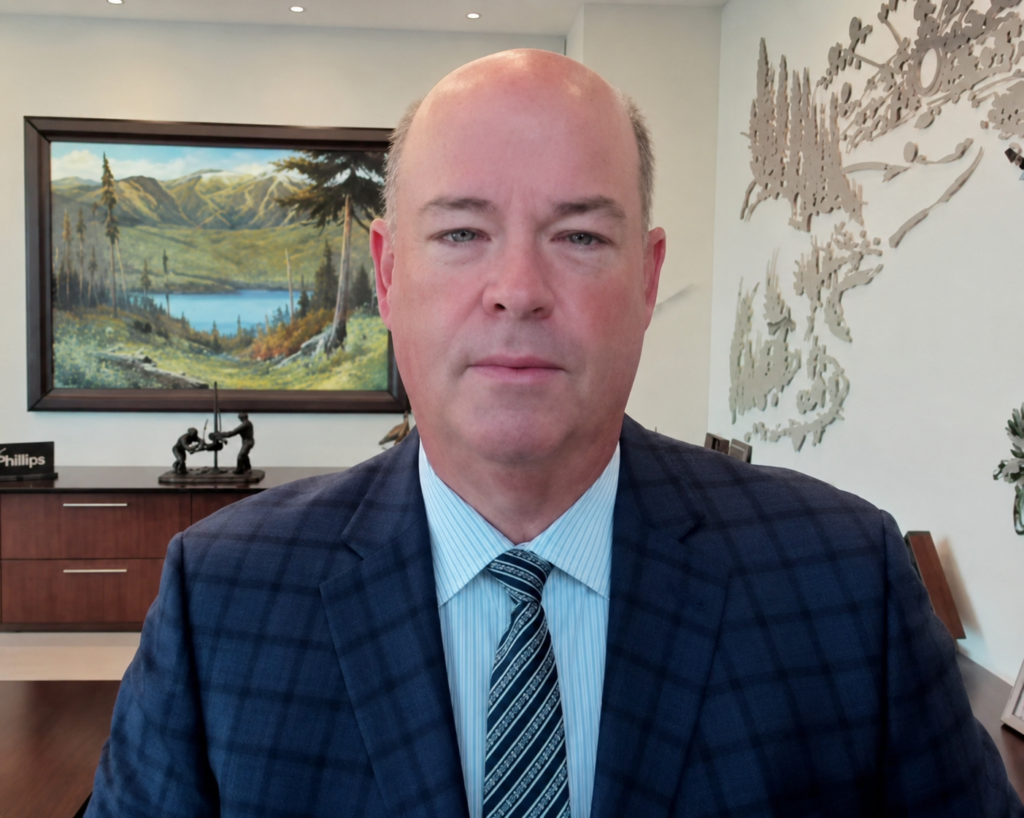
Ryan Lance holds a central place among business leaders in the global energy sector. Since 2012, he has led ConocoPhillips, a company operating in an industry shaped by price cycles, multibillion-dollar investments, regulatory pressure, competition for low-cost assets, and a constant demand for shareholder returns. His leadership can be understood through one main idea: scale only creates value when it is supported by financial discipline, operational efficiency, and rigorous asset selection.
Growing without losing financial discipline
In the energy business, growth for its own sake can be risky. Oil and gas projects require large upfront investments, long recovery periods, and exposure to external variables that no company can fully control. A geopolitical conflict, a decline in crude prices, a regulatory change, or a rise in costs can alter the value of an asset. For that reason, the strategy of a CEO like Lance must balance ambition with prudence.
The acquisition of Marathon Oil was one of the clearest examples of that strategy. ConocoPhillips completed the transaction in November 2024, strengthened its presence in U.S. assets, and added low cost of supply inventory in areas close to its unconventional position. From a business perspective, the purchase did not only expand the company’s size: it also sought to improve portfolio quality, capital efficiency, and integration capacity.
Portfolio, costs, and shareholder returns
In sectors such as oil and gas, the concept of portfolio carries specific weight. It is not a simple collection of assets. A strong energy portfolio combines mature fields, growth opportunities, low-cost projects, diversified geographic exposure, and the ability to sustain production under different scenarios. Lance’s leadership can be analyzed through that architecture: selecting assets, integrating them, reducing costs, sustaining returns, and maintaining flexibility as markets change.
The recent stage also shows the more demanding side of his management. ConocoPhillips aimed to reduce capital and operating costs during 2026 after results were affected by weaker prices. That point makes Lance’s profile more realistic. The CEO of a global energy company does not only lead acquisitions and growth; he must also guide adjustments, reallocate resources, sell assets, contain costs, and respond to investors when the market changes.
Leading a company exposed to extreme cycles
Corporate leadership in this sector requires decisions that may be difficult, but necessary to sustain competitiveness. Unlike other industries, oil and gas operate with long investment cycles and markets that can shift rapidly. Lance must manage that tension between long-term planning and short-term conditions: investing in assets that can retain value for years, while also responding to prices, costs, shareholder expectations, and debates around the energy transition.
His profile as CEO is relevant because it shows a form of leadership less associated with public discourse and more connected to the internal architecture of a company. Lance’s management is built on portfolio, scale, capital discipline, asset integration, and operational efficiency. That combination makes him a representative case of business leadership within an industry that remains decisive for the global economy.