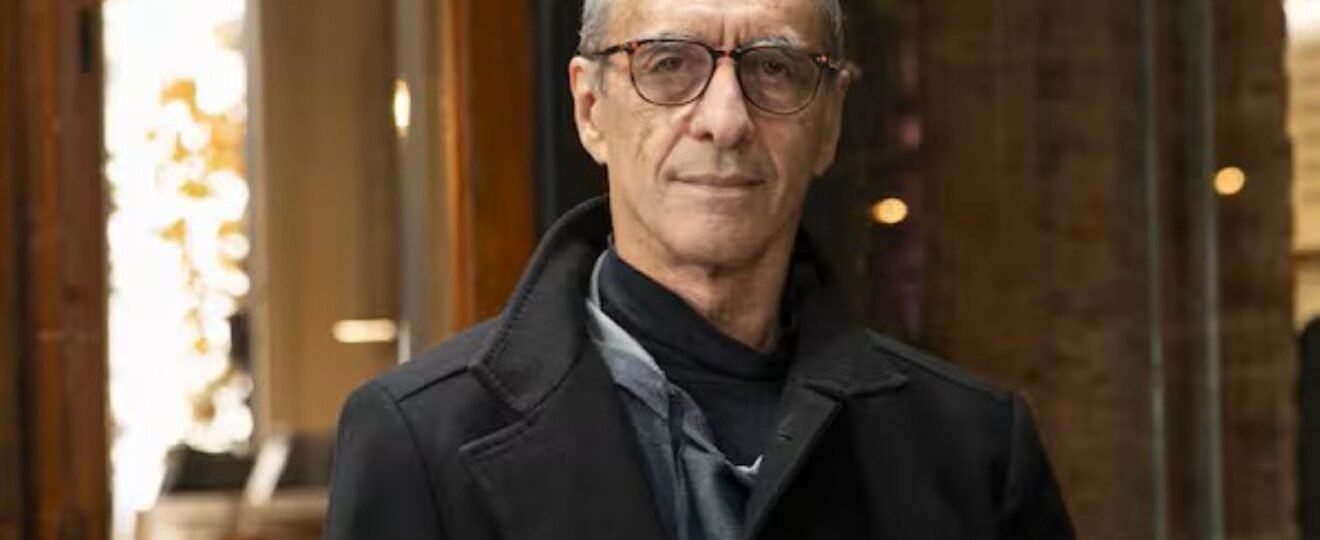
Diego Fenoglio
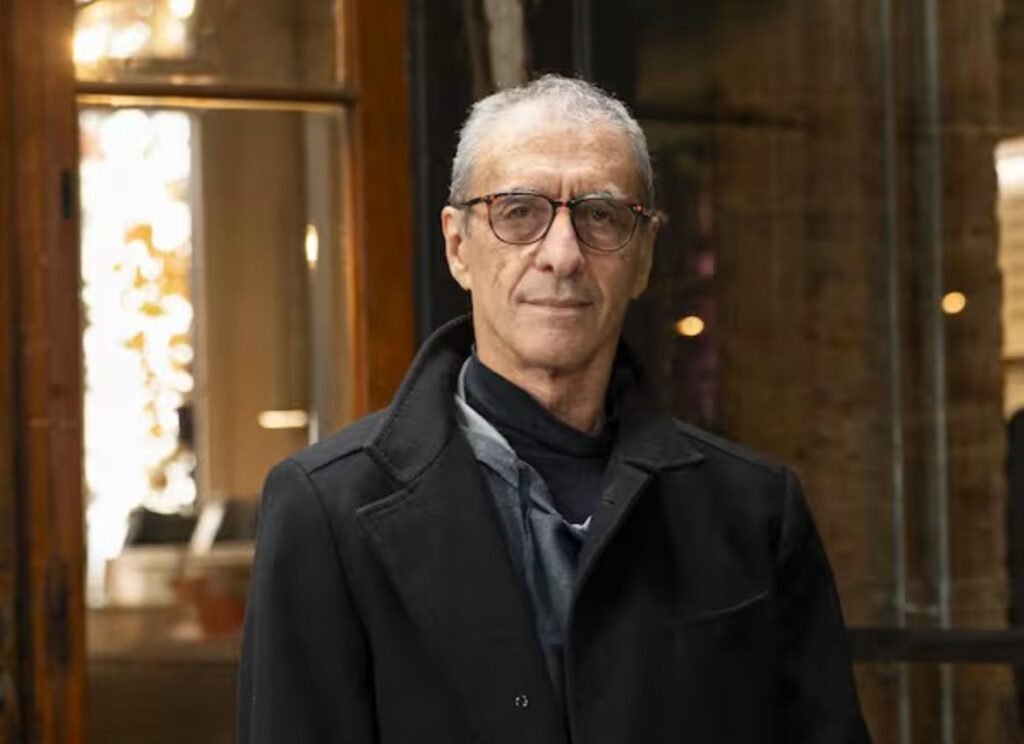
He took charge of the family chocolate business at the age of 20, after his father died, and at 40 decided to leave and start again from scratch. That second life gave rise to Rapanui and Franui, the raspberry confection now sold in dozens of countries, which Diego Fenoglio created using fruit harvested from his own garden.
Born into a pot of chocolate
The phrase is his, and it describes his beginnings quite well. His parents, Aldo and Inés, arrived from Italy in the late 1940s after fleeing the hardships of the postwar period. They first tried their luck in Rosario and Mendoza before settling in Bariloche.
They opened the Tronador pastry shop, which gradually shifted toward chocolate until it became the main business. When someone attempted to register the family surname as a brand, Aldo moved first and used Fenoglio as the name of the shop.
That pastry chef father is also credited with inventing chocolate en rama, the thin, curled chocolate sheets that became a Bariloche specialty. The idea is said to have emerged from an accident involving chocolate spread across a marble countertop.
Diego helped his father from an early age during the busy summer seasons. At 20, while still studying, Aldo died of a heart attack. Fenoglio abandoned his degree and assumed control of the business alongside his mother and his sister Laura.
The decision to leave
Twenty years later came the turning point. Sitting at home in Bariloche, he reviewed his life and concluded that he had made several mistakes. He saw himself as impulsive and too quick to make decisions that deserved more thought.
He wanted to create a different company, one built around a more carefully made product, even if that meant selling less during the early years.
He presented the idea to his mother and sister, who were the majority shareholders, but they preferred to continue with the existing model. His wife at the time also considered it madness to begin again at 40.
Fenoglio sold his stake, left the company and set up a small production plant.
During that period, he also raced motocross, competed in chess tournaments and hosted a late-night radio program about personal relationships for five years. He later described that radio experience as one of the best periods of his life.
The new company was called Rapanui, after the house where he had lived for many years. It began slowly, with low but steady profitability.
The invention that changed the company’s scale
A decade later came Franui.
The raspberry crop in Fenoglio’s garden was unusually abundant, and he decided to coat the fruit in chocolate. He tasted the result and then gave it to his team, whom he considered the most demanding judges he knew.
Seeing their reactions was enough to convince him that he had created something valuable.
The company then began buying raspberries from El Bolsón, Lago Puelo and El Hoyo. From those first batches emerged a new category of frozen chocolate snack that had not previously existed in that form.
Before Franui, Rapanui had only one shop in Bariloche. Today, the brand has around 30 points of sale and its products are sold in approximately 40 countries. In some European markets, demand has exceeded the company’s ability to supply the product.
The expansion was not designed in advance on a corporate planning board. The move into Buenos Aires was decided after ash from the Puyehue volcano brought tourism in Patagonia to a standstill.
Fenoglio had 60 employees under his responsibility and opened the company’s first store in Recoleta. Later locations were chosen by asking customers which neighborhoods they came from.
A deliberately slow model
Fenoglio rejected franchising for a practical reason. If maintaining quality across company-owned stores was already demanding, handing control of the product to third parties would leave him uneasy.
He prefers to sell less rather than lose control.
The company remains family-owned and has no outside shareholders. His daughter Leticia manages European operations from the plant in Valencia, where the family invested €3.5 million. The facility opened just as the pandemic brought much of the economy to a halt.
His son Aldo oversees Latin American operations from the plant in Fátima, in Buenos Aires Province.
Most of the company’s growth is financed with its own capital and limited debt. The objective is to prevent a failed project from endangering the core business.
Rapanui also controls much of its value chain, from raw materials to the retail counter. That integration allows it to preserve product quality while maintaining competitive prices.
In 2023, the business was divided approximately into 50 percent chocolate, 30 percent ice cream and 20 percent Franui.
A chocolate maker outside politics
In 2021, the brand received unexpected public attention when Argentina’s vice president at the time was heard in the Senate asking what time Rapanui closed, apparently unaware that the microphone was still active.
Fenoglio chose not to exploit the episode commercially. He rejected the idea of sending a gift because it could have been interpreted as celebrating someone else’s mistake.
His response was simple: he makes chocolate, not politics.
His management philosophy is equally restrained. He has never planned the company ten years ahead, preferring horizons of one or two years.
He believes the merit of an entrepreneur lies in reinvesting profits and devoting intensity, passion and time to the product.
Retirement is not part of his plans.