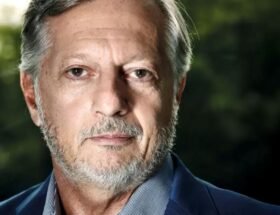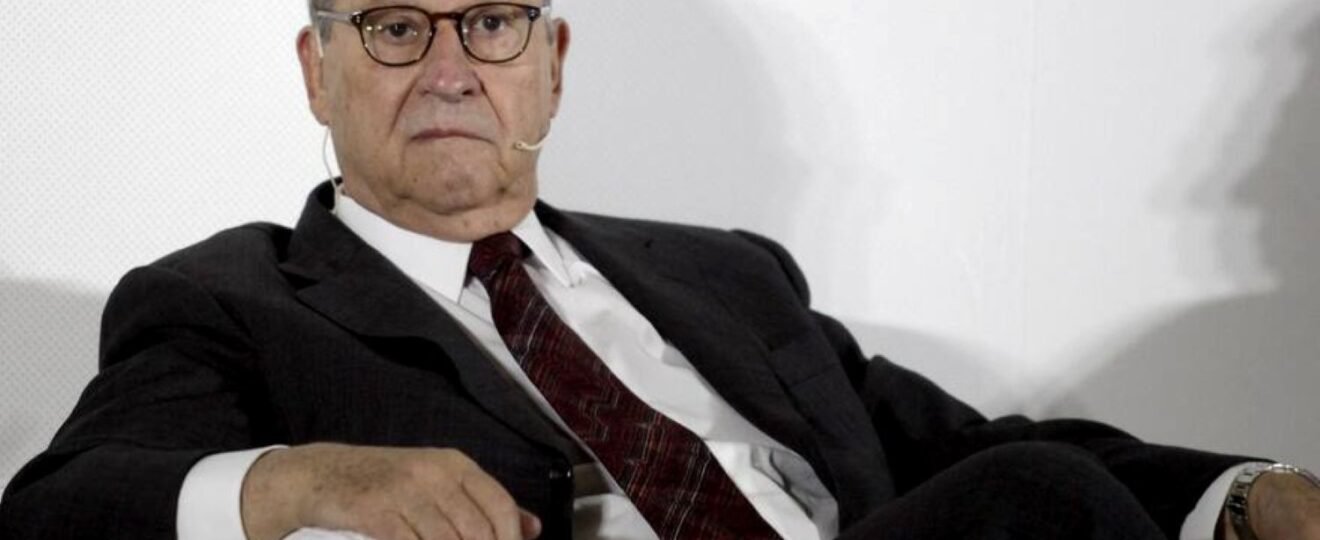
Enrique Pescarmona
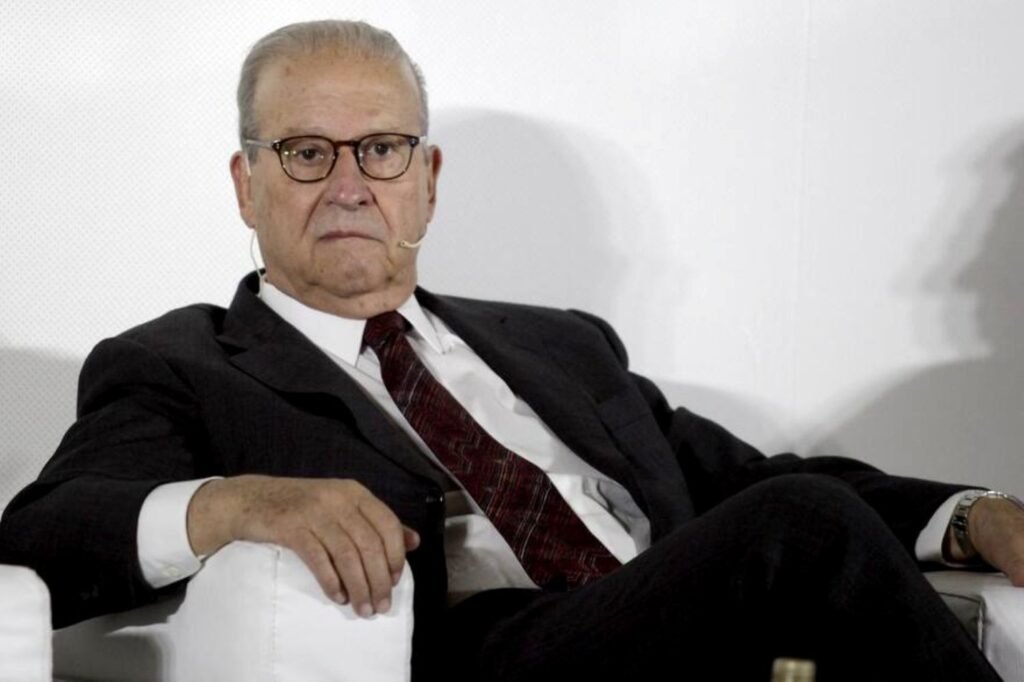
Enrique “Quique” Pescarmona built his career within the fabric of Argentine industrial entrepreneurship, closely linked to one of the most relevant technology companies in the energy sector. His trajectory combines corporate leadership, stewardship of a family business legacy, and strategic decision-making in adverse macroeconomic environments, where production continuity and the preservation of technical capabilities functioned as central pillars of his leadership.
Business origins and the formation of an executive profile
Pescarmona’s path is rooted in a family-based business structure with strong industrial foundations and a clear orientation toward applied engineering. Within this framework, his executive formation was shaped by a comprehensive understanding of complex production processes, specialized labor relations, and institutional ties with the State and international markets. This context fostered a vision of the company as a technical organization rather than a purely financial vehicle.
Leadership in complex industrial structures
Leading a large-scale industrial company required operating in environments of high technical, regulatory, and financial demand. Pescarmona’s role was characterized by the integration of engineering functions, corporate management, and long-term strategy. Decision-making followed structural criteria aimed at sustaining critical productive capabilities and highly specialized human capital, rather than short-term or cyclical considerations.
Strategic management and corporate reconfiguration
Throughout his career, Pescarmona took part in corporate reorganization processes shaped by changes in ownership structures, negotiations with creditors, and redefinitions of business models. These moments demanded negotiation skills, financial literacy, and the ability to operate under pressure, prioritizing operational continuity and the protection of industrial know-how amid restrictive economic scenarios.
Business vision and the relationship with technology
The business outlook associated with his trajectory places technology at the core of the organizational model. The production of equipment for energy systems and large-scale infrastructure requires long-term planning, sustained investment, and high technical standards. Within this framework, leadership is expressed through the capacity to integrate innovation, engineering, and economic viability without detaching corporate strategy from the productive core.
Influence and learning within the Argentine context
Pescarmona’s career reflects a form of leadership shaped by adaptation to unstable economic cycles and shifting regulatory frameworks. His experience offers a concrete perspective on how to lead industrial organizations in peripheral economies, where business strategy must balance technological ambition, financial constraints, and complex institutional relationships, while preserving identity and operational capacity.