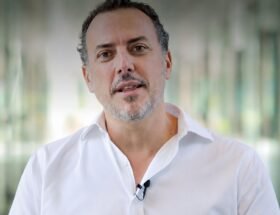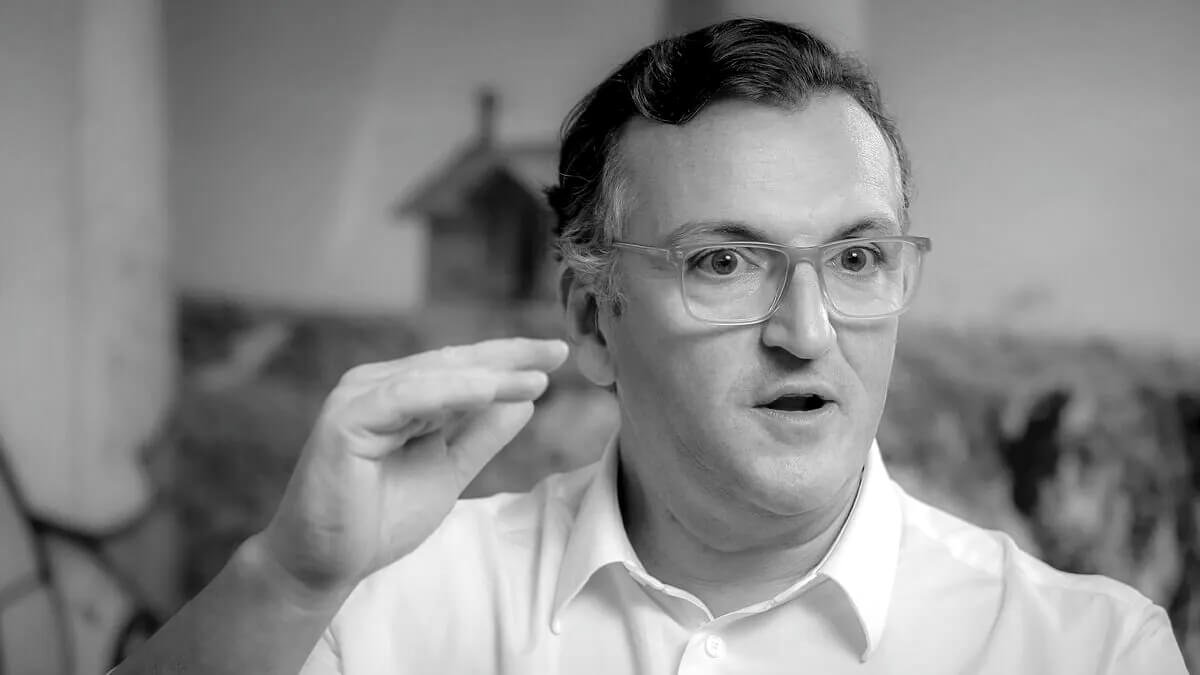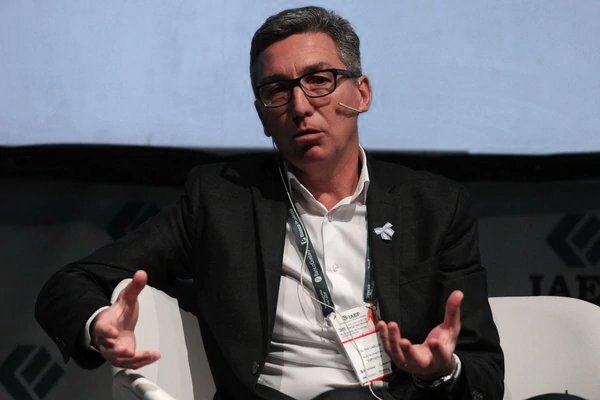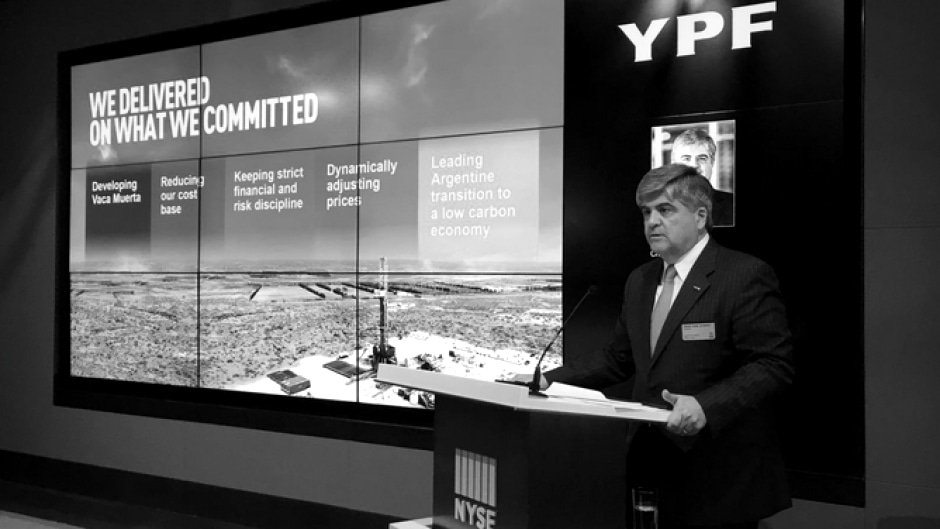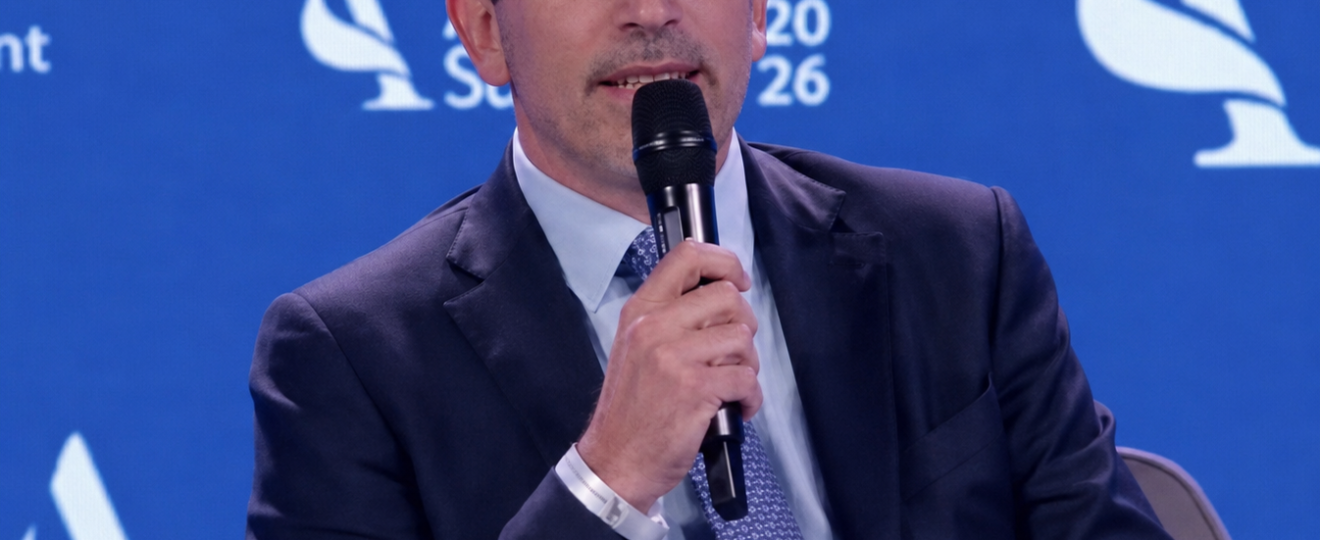
Martín Genesio

Martín Genesio holds a prominent place within Argentine business leadership through his role as president and CEO of AES Argentina. His profile stands out because of an uncommon combination of technical training, operational experience, knowledge of the electricity market and participation in public debates on investment, regulation, energy transition and competitiveness.
In the leadership of an energy company, management is not reduced to defining commercial objectives. It involves administering large-scale assets, sustaining availability levels, coordinating technical teams, understanding regulatory rules, anticipating technological changes and evaluating investments with long-term horizons. Decisions in the electricity sector are not measured only in corporate balance sheets: they have an impact on industrial production, urban life, essential services and the country’s ability to attract new economic activities.
Genesio reached the presidency of AES Argentina after an internal path that began in 2006. The company reports that he joined as commercial manager, later served as general manager of Termoandes and then as general director of Operations for AES Argentina’s businesses. That trajectory allowed him to move through commercial and operational areas before taking on executive leadership.
That point is central to analyzing his profile as CEO. In infrastructure sectors, operational experience provides a kind of understanding that is not always obtained from purely financial or institutional roles. Knowing how a plant is organized, how maintenance is planned, how availability is coordinated and how to respond to system restrictions makes it possible to take executive decisions with greater technical depth.
AES Argentina is part of a global corporation, The AES Corporation, and reports more than 30 years of presence in the country, 11 generation plants and around 4,000 MW of installed capacity. That scale requires leadership capable of connecting global standards with local conditions: Argentina presents relevant energy opportunities, but also regulatory, macroeconomic and infrastructure challenges.
In his recent public statements, Genesio has insisted on the need for predictability. In April 2026, during the AmCham Summit, he stated that Argentina has strategic resources in different regions, although the lack of regulatory stability remains an obstacle to attracting investment.
From a business perspective, that statement has a technical meaning. Energy investments require intensive capital and long recovery periods. A power plant, a renewable park, a grid expansion or a supply contract is not evaluated with the logic of short-term business. They need stable rules, payment mechanisms, demand projections, contractual security and macroeconomic conditions that allow financing, construction and operation.
Genesio has also participated in conversations about the long-term energy agenda. In 2025, specialized media reported his view on the need to define a roadmap to consolidate a competitive energy matrix and allow Argentina to play a relevant role in the energy transition.
His business leadership also projects toward new technological demands. In 2025, it was reported that AES was seeking to replicate in Argentina its generation model for large data centers, supported by the company’s global experience with technology corporations. Genesio argued there that the country has the potential to become a key energy supplier for that type of operation, due to the diversity of available natural resources.
This point connects energy, technology and business strategy. Artificial intelligence, cloud computing and digital services increase the electricity consumption of large facilities. For that reason, a country’s technological competitiveness will increasingly depend on its ability to offer abundant, reliable and sustainable energy. In that debate, Genesio appears as a CEO who does not limit his agenda to the present state of the electricity system, but observes the new forms of global demand.
On the human level, his view of leadership also has defined features. At the 2025 Forbes CEO Summit, he stated that the role of the omnipotent leader had ceased to exist and that current leadership is based on trust, team building and adaptation to change.
That position aligns with a broader trend in knowledge-intensive companies: authority no longer functions only as hierarchy, but as the ability to coordinate specialized talent. In energy, where engineers, operators, lawyers, economists, plant technicians, environmental specialists and commercial teams coexist, leadership requires translating different languages into a common strategy.
Martín Genesio therefore represents a type of CEO linked to critical infrastructure. His executive value is not limited to the position he holds, but to the articulation between technical knowledge, sector experience, a reading of the Argentine context and the ability to place the company within discussions on energy transition, investment and the country’s productive future.