Matías Campodónico
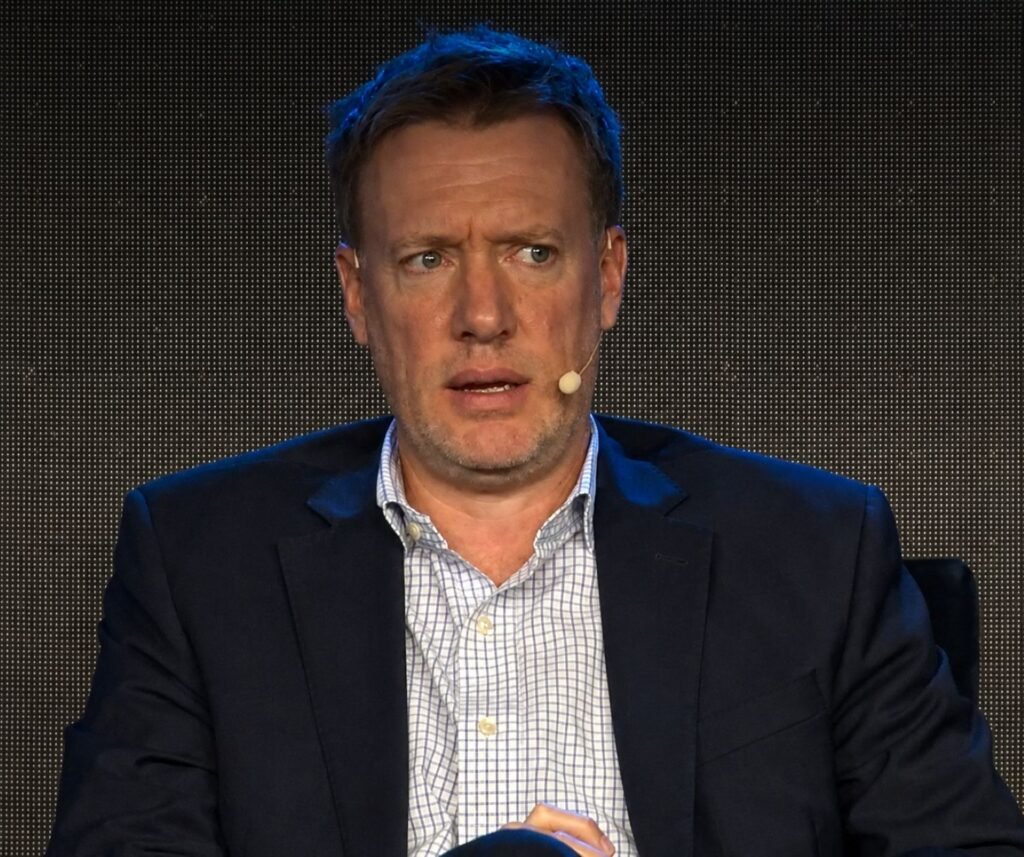
Reelected at the head of the CIQyP until 2028, he combines a background in law and international relations with two decades on the front line of the petrochemical sector.
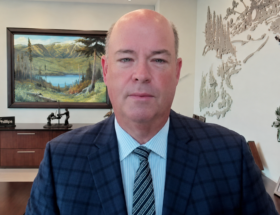
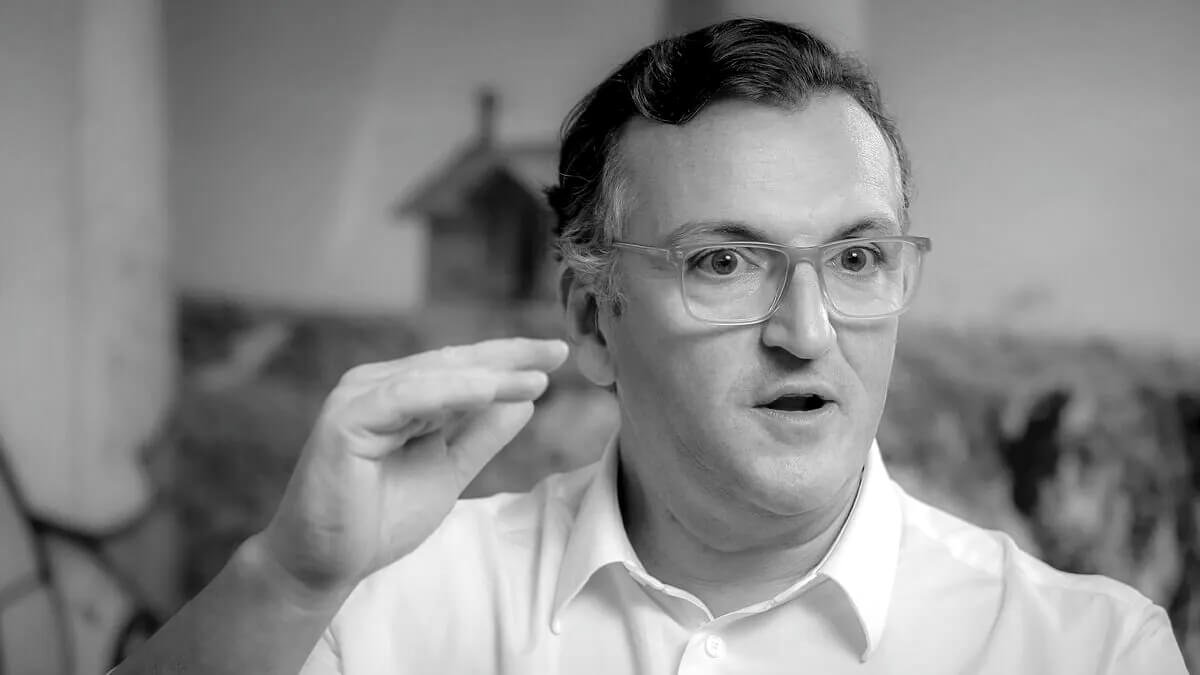
Few executives in Argentina’s industrial network arrive at a sector chamber with a résumé that begins in law and ends in heavy petrochemicals. Matías Campodónico is one of those exceptions. In late June 2026, the ordinary members’ assembly of the CIQyP confirmed his continuity as president for a new term, his second consecutive one, which will run until 2028. It was not an improvised leap: he reached the position after having chaired the entity between 2024 and 2026 and after spending years inside the offices of one of the world’s largest chemical multinationals.
From the classrooms of the UBA to international scholarships
The starting point is surprising for someone who today speaks about natural gas and value chains. Campodónico graduated as a lawyer from the University of Buenos Aires in 2001. Far from limiting himself to professional practice, he pushed his education toward journalism and international relations: he completed a master’s degree at Universidad Torcuato Di Tella in 2003 and another at King’s College, University of London, which he completed in 2005.
That path was backed by two distinctions that are not granted to just anyone. In 2003, he received a Fulbright Scholarship from the U.S. Department of State; the following year, a Chevening Scholarship from the British Foreign Office. Two governments with different criteria agreed on backing the same young Argentine.
The years at Dow, between Buenos Aires, the United States and São Paulo
The stage that gave him industrial depth began in February 2011, when he joined Dow in Buenos Aires. Two years later, he moved to the company’s headquarters in the United States, where for four years he was part of the global CEO’s team. There, he coordinated programs with major global players such as the World Economic Forum and the International Olympic Committee, an unusual experience for an executive trained in South America.
In 2017, he moved again: he became regional director of government and public affairs for Latin America and settled in São Paulo, Brazil. The circle closed in May 2022, when he was appointed president of Dow for Argentina and the South Region, also adding sustainability responsibilities for the entire region. From coordinating global agendas, he moved on to managing the firm’s regional operation, a path that explains why his name ended up carrying weight at the core table of the local petrochemical sector.
At the head of PBB Polisur and the sector chamber
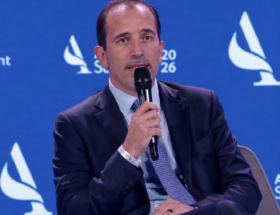
Today Campodónico leads PBB Polisur S.R.L., one of the country’s main petrochemical companies, and from that position serves as president of the CIQyP. The entity renewed its board for the 2026–2028 period and surrounded him with a leadership team made up of top names in the sector: Marcos Martín Sabelli, of Profertil, as first vice president; Carolina Porchile, of YPF, as second vice president; and Matías Guido Martin, of BASF Argentina, as third vice president. Jorge de Zavaleta remains executive director.
When thanking the members for their trust, Campodónico insisted on an idea he has been repeating: the country has what it takes. “We have productive capacities, excellent human resources and unique opportunities associated with energy development and new value chains,” he stated. The phrase is not empty rhetoric when seen against the numbers of the sector he leads.
A sector that moves the economy and looks toward Vaca Muerta
The chemical and petrochemical industry is not just another sector. It represents around 12% of national industrial production, generates more than 69,000 direct jobs and around 250,000 indirect jobs, and supplies inputs to more than 96% of the country’s industrial activities. Almost one in every five manufactured goods of industrial origin passes, in some way, through its plants.
His administration’s bet has a proper name: Vaca Muerta. The growth of Neuquén’s natural gas opens the door to competitive raw material for producing fertilizers, plastics and industrial chemicals, with the possibility of replacing imports and gaining export ground. For the next two years, Campodónico and his team have laid out an agenda focused on competitiveness, sustainability, technological innovation and coordination between companies and public agencies, as well as work on regulatory frameworks, foreign trade and process safety. His challenge now is to turn that resource potential into concrete production, employment and added value before the end of his term.