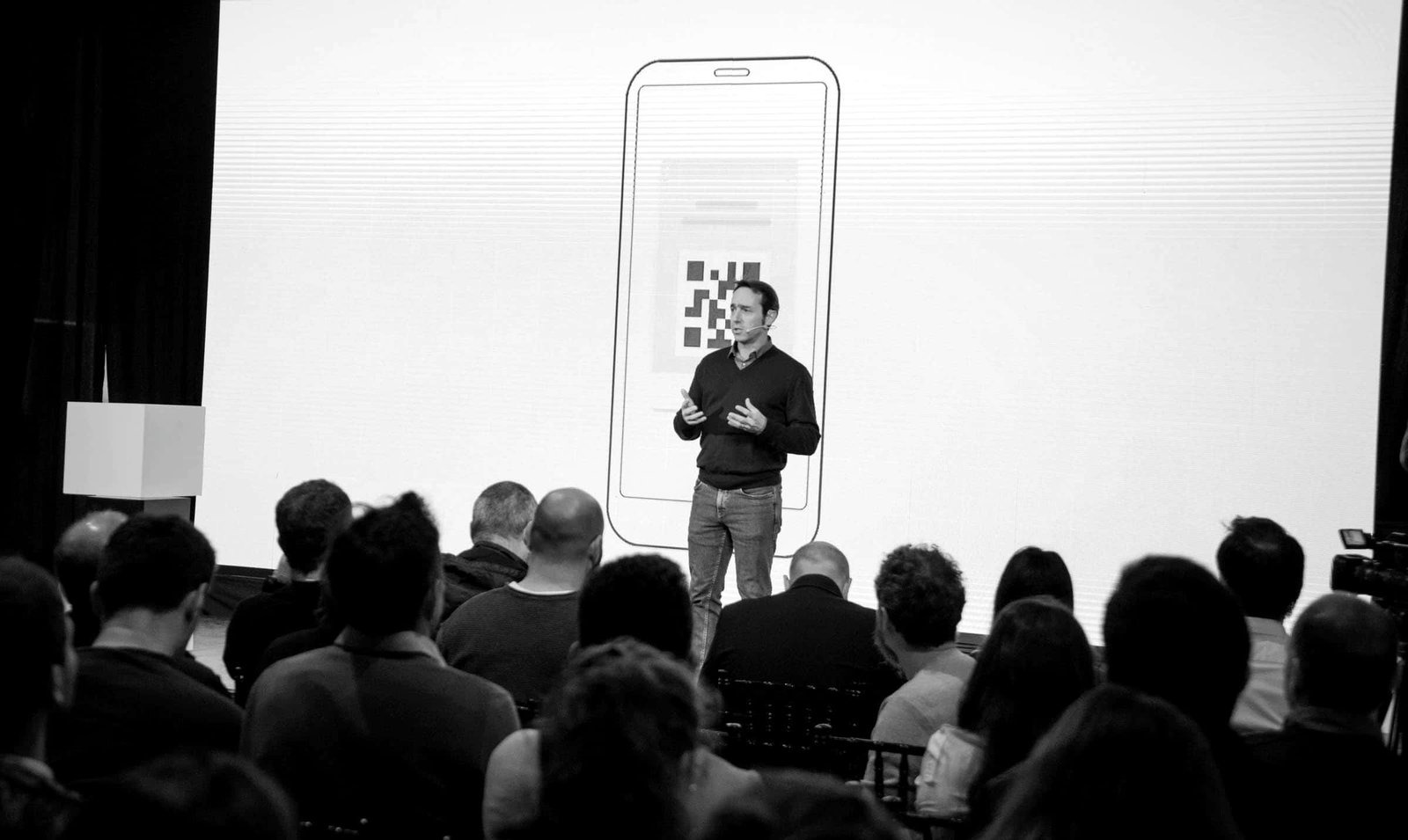
Federico Ast
Federico Ast construyó una trayectoria singular dentro del ecosistema tecnológico argentino. Su nombre está asociado a Kleros, una plataforma que aplica blockchain, crowdsourcing y teoría de juegos para resolver disputas digitales. Su perfil combina formación académica, mirada institucional y liderazgo emprendedor en un campo donde la tecnología no solo funciona como herramienta, sino como infraestructura para crear confianza entre personas, empresas y comunidades que operan en internet.
Un perfil formado entre economía, filosofía y gestión
Federico Ast desarrolló una carrera apoyada en una combinación poco frecuente: economía, filosofía, management y tecnología. Su formación en la Universidad de Buenos Aires le permitió trabajar con preguntas ligadas a incentivos, reglas, cooperación y legitimidad. Luego profundizó su recorrido académico con un doctorado en Dirección de Empresas en IAE Business School. Esa base explica buena parte de su enfoque: pensar cómo se organizan las personas cuando necesitan tomar decisiones confiables en entornos complejos.
El nacimiento de Kleros como proyecto tecnológico
El proyecto más reconocido de Federico Ast es Kleros, una plataforma de resolución de disputas basada en blockchain. La idea parte de un problema concreto: muchas transacciones digitales ocurren entre personas que no se conocen, viven en distintos países o interactúan dentro de sistemas donde acudir a un tribunal tradicional sería lento, costoso o poco práctico. Kleros propone un mecanismo donde jurados seleccionados por la red analizan evidencia, votan y participan dentro de un esquema de incentivos diseñado para ordenar decisiones.
Blockchain como infraestructura de confianza
En Kleros, blockchain no funciona como una palabra decorativa, sino como una capa técnica para registrar procesos, reglas y decisiones de forma verificable. La tecnología permite que ciertos pasos del sistema queden documentados en una red distribuida, sin depender de una única autoridad central. A ese registro se suma la lógica de contratos inteligentes, que pueden ejecutar condiciones previamente definidas. El resultado es un modelo pensado para disputas digitales donde trazabilidad, velocidad y transparencia son elementos relevantes.
Crowdsourcing y teoría de juegos aplicados al derecho digital
Uno de los aspectos más distintivos de Kleros es la combinación entre crowdsourcing y teoría de juegos. El crowdsourcing permite convocar a una comunidad de jurados para evaluar casos. La teoría de juegos, en cambio, estudia cómo las personas toman decisiones cuando sus resultados dependen también de las decisiones de otros. Aplicada a este sistema, busca que los incentivos económicos empujen a los participantes a votar de manera coherente con la evidencia presentada y con la resolución más razonable del conflicto.
Liderazgo en un sector difícil de traducir
Federico Ast lidera dentro de un territorio que exige claridad conceptual. La justicia descentralizada no es un producto simple de explicar, porque combina derecho, programación, economía, criptografía y gobernanza. Su capacidad de conducción aparece en esa traducción entre mundos: hablar con desarrolladores, abogados, inversores, académicos y usuarios sin reducir el proyecto a una moda tecnológica. Ese tipo de liderazgo requiere comprender el sistema técnico, pero también anticipar cómo puede ser usado por comunidades y organizaciones reales.
Un CEO con mirada institucional
El rol de Ast como CEO no se limita a dirigir una empresa tecnológica. Su trabajo se ubica en una discusión más amplia sobre cómo se pueden construir instituciones digitales. Una institución, en este contexto, no es solo una organización formal, sino un conjunto de reglas que permite coordinar conductas, resolver desacuerdos y generar previsibilidad. Kleros intenta llevar esa lógica al entorno online, donde muchas relaciones económicas y sociales suceden antes de que existan mecanismos jurídicos adecuados para administrarlas.
Proyección internacional y validación del modelo
Kleros logró instalarse dentro del ecosistema internacional de blockchain y legaltech gracias a una propuesta con aplicación concreta. El proyecto fue reconocido en espacios vinculados con innovación social y tecnología descentralizada, y también participó en entornos de análisis legal y transformación digital. Esa proyección muestra que Federico Ast no trabajó únicamente sobre una idea experimental, sino sobre una infraestructura con interés para disputas de comercio digital, contratos inteligentes, marketplaces, propiedad intelectual y comunidades Web3.
Educación y divulgación como parte de su influencia
Federico Ast también desarrolló un rol importante como académico y divulgador. Su participación como profesor e instructor en programas vinculados con blockchain, legaltech y transformación digital del derecho amplía el alcance de su trabajo. En sectores profesionales tradicionales, la adopción tecnológica suele necesitar algo más que una herramienta: requiere lenguaje, formación y criterios de aplicación. Ast interviene en ese punto, ayudando a que abogados, emprendedores y profesionales comprendan cómo funcionan estos nuevos sistemas.
Una visión empresarial orientada a infraestructura
La visión empresarial de Federico Ast se diferencia de la creación de una simple aplicación digital. Kleros fue pensado como una capa de infraestructura para resolver conflictos en internet. Esa distinción es importante: una aplicación resuelve un uso puntual; una infraestructura permite que otros proyectos se apoyen sobre ella. En blockchain, esa función resulta especialmente relevante porque muchos contratos inteligentes necesitan mecanismos externos para interpretar hechos, analizar pruebas y decidir qué ocurre cuando aparece un desacuerdo.
Impacto en legaltech y gobernanza digital
El aporte de Federico Ast puede leerse dentro de una transformación mayor: la búsqueda de nuevos sistemas de confianza para la economía digital. Su trabajo conecta legaltech, blockchain y gobernanza, tres campos que ganan importancia a medida que las transacciones online se vuelven más complejas. Kleros no reemplaza por completo a la justicia tradicional, pero plantea una alternativa para conflictos donde los costos, la distancia, el bajo monto o la velocidad hacen necesario otro tipo de procedimiento.
Federico Ast y el liderazgo tecnológico argentino
Federico Ast representa un perfil de liderazgo argentino con proyección internacional. Su trayectoria combina conocimiento técnico, formación conceptual y capacidad emprendedora. En lugar de limitarse a seguir tendencias tecnológicas, desarrolló un proyecto que intenta responder una pregunta estructural: cómo se resuelven disputas en una economía cada vez más digital, global y automatizada. Esa pregunta define su lugar dentro del ecosistema emprendedor y lo posiciona como una figura relevante en innovación institucional.