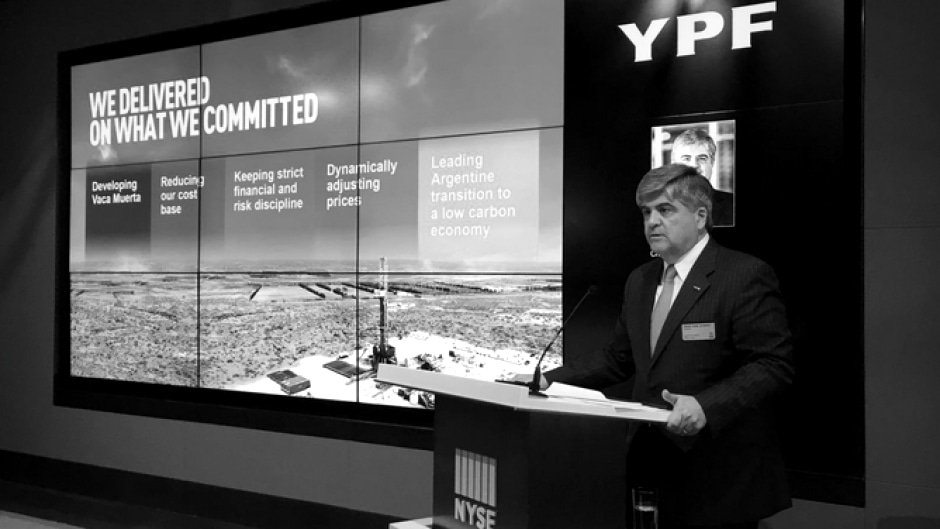
Alejandro Larosa
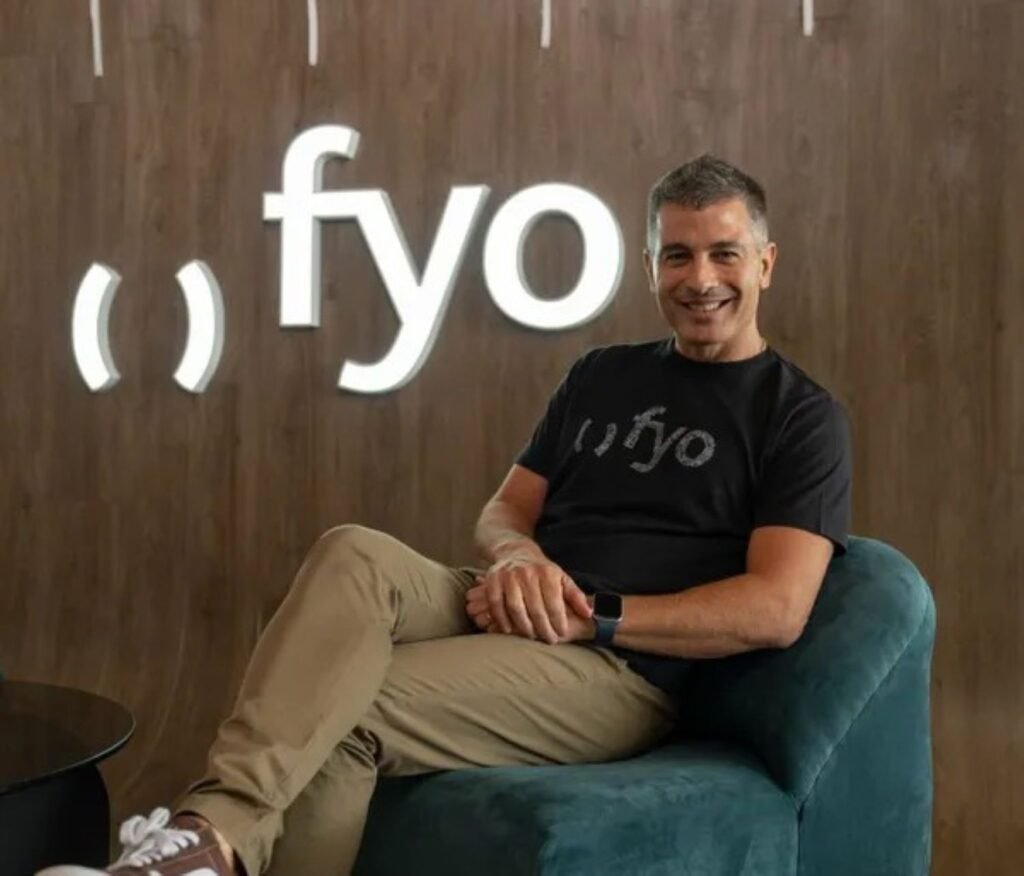
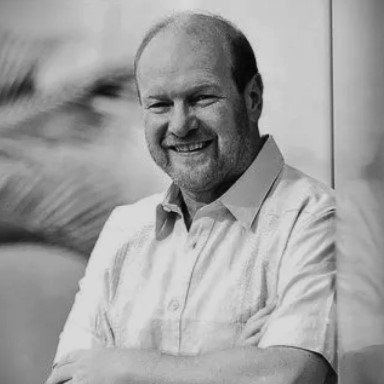
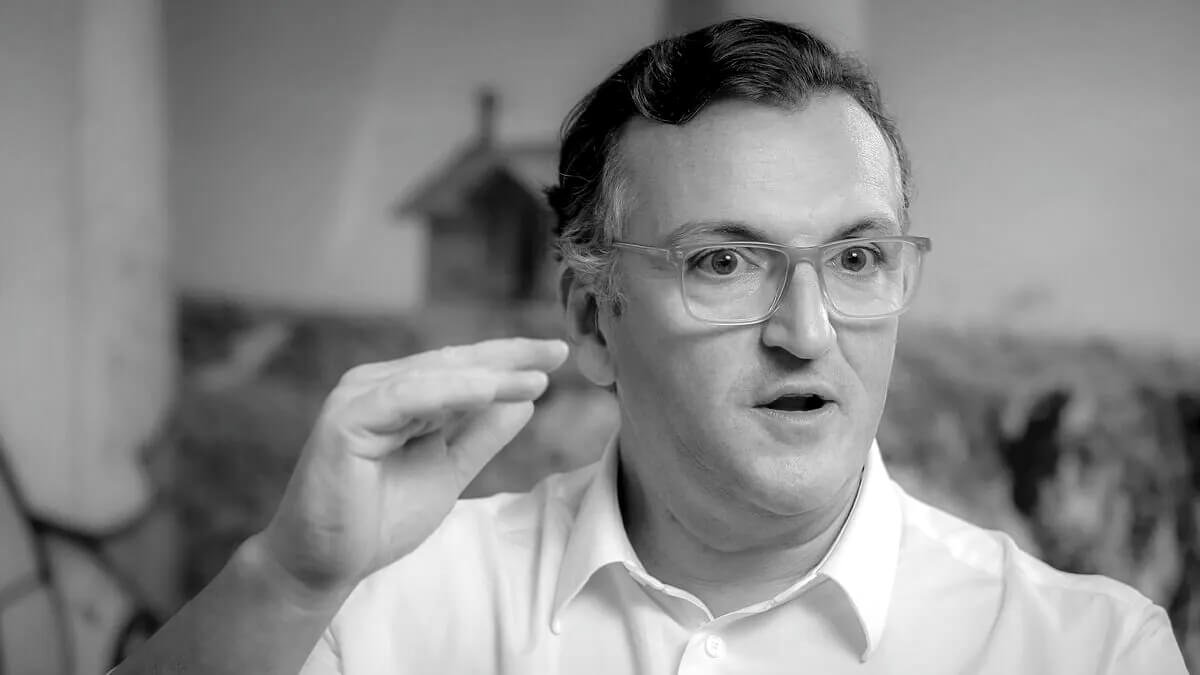
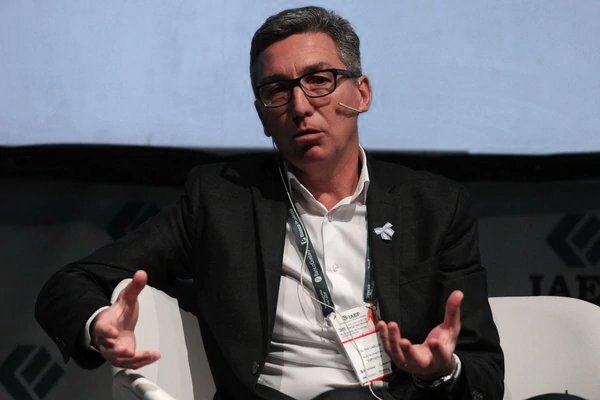
An accountant from Rosario, Alejandro Larosa founded fyo in 1999 with an idea that sounded almost alien in Argentina at the time: putting grain prices on the internet. A quarter of a century later, the project trades more than 7 million tons of grain a year and gave rise to a group of companies —Agrofy, Amauta, and Biond— that pushed the digitalization of Latin American agriculture long before the term agtech became commonplace. Recognized by Endeavor and EY as Entrepreneur of the Year, he now combines the leadership of his companies with an active role in Rosario’s entrepreneurial ecosystem.
A bet made at 23
In 1999, the word startup was not part of everyday conversation in Argentina, and farmers negotiated prices by telephone, working with fragmented and often outdated information. That year, at 23 and with a partner, Larosa founded fyo in Rosario around a premise that sounds obvious today but was not at the time: publish real-time market prices and reports in Spanish so that the person selling soybeans or corn could know as much as the person buying them.
The diagnosis that drove him was straightforward. As he has explained, knowledge about how markets worked and how to manage risk was limited, and the internet offered a way to make that information accessible to companies throughout the sector. In practice, fyo became one of Latin America’s earliest internet businesses dedicated to agribusiness.
When the original plan breaks down
The project had a brutal start: the dot-com bubble burst and, soon afterward, Argentina entered the 2001-2002 crisis. Larosa and his team’s response says a great deal about his method. Instead of holding on to a purely digital model until they ran out of cash, they shifted toward a hybrid structure, adding agricultural inputs and grain trading —businesses with real revenue that could finance the technology side.
Another factor worked in their favor early on. Just one year after founding fyo, Larosa already had Eduardo Elsztain and Miguel “Miky” Rosental among his investors, two prominent figures in Argentine business. Larosa has said that scaling requires three pieces —the idea, the entrepreneur, and the capital— and that the third is the hardest to secure in a country with a small capital market. He remembers Rosental for his optimism and ability to inspire confidence, while describing Elsztain as one of Argentina’s most extraordinary entrepreneurs.
fyo today: much more than a price website
A quarter of a century later, the Rosario-based company trades more than 7 million tons of grain per year and handles 14 million tons in Argentina’s futures market. Its structure has expanded into specialized units: fyoCredits for financing, fyoCapital for investments, fyoAdvisory for consulting, fyoFoods, and fyoDigital. The ecosystem also includes storage, logistics, grain barter transactions, futures, and options.
fyo has more than 400 direct employees, while the broader holding exceeds 600 people. Its institutional material lists Cresud, Rosental, Lartirigoyen, and Viterra among its partners. Eduardo Elsztain currently serves as president of Futuros y Opciones.com S.A., Alejandro Elsztain as vice president, and Larosa remains a director and executive within the group.
Agrofy: the 1999 idea, twenty years late and right on time
The agricultural e-commerce business Larosa had imagined from the beginning finally arrived in 2015, when he founded Agrofy with Maximiliano Landrein, his longtime business partner. The timing was precise: by then, e-commerce had become a habit across Latin America and the agricultural sector was beginning to buy machinery, inputs, vehicles, and financial services through a screen.
The press called it “the Mercado Libre of agriculture,” and international investors took notice. Agrofy first raised US$3 million in seed funding, followed by a US$6 million Series A in March 2018 and a US$24 million Series B in November 2019. A US$30 million Series C led by Yara Growth Ventures brought the total raised to more than US$63 million. Its investors have included Cresud, Bunge Ventures, Syngenta Ventures, BrasilAgro, SP Ventures, Acre, Fall Line Capital, Endeavor, and Lartirigoyen, among others.
Larosa chairs the company, while Landrein runs it as CEO. The division of responsibilities has survived for more than two decades and is, in itself, one of the less discussed keys to their story.
Amauta and Biond: two younger branches of the same tree
Amauta, focused on crop nutrition technologies designed to support more efficient and sustainable agriculture, emerged in 2016. Biond followed in 2021, taking fyo’s business model into Brazil and adapting its trading and risk-management services to the specific characteristics of that market.
The pattern repeats itself: identify a specific friction point in the agricultural value chain, build a dedicated company to solve it, and allow that company to coexist with the broader ecosystem rather than forcing everything into a single structure.
The awards and his second occupation
Endeavor named Larosa Entrepreneur of the Year in 2016, and in 2020 EY Argentina awarded him the Master distinction in its Entrepreneur Of The Year program, making him Argentina’s representative in the global competition. In the same edition, Agustina Fainguersch was recognized in the Emerging category and Silvia Gold for Lifetime Achievement.
That recognition coexists with a less visible job. Larosa chairs Endeavor Rosario’s Advisory Board, works as a mentor, and remains actively involved in the organization’s events, which bring together thousands of entrepreneurs in the city. His reason for devoting time to it is autobiographical. He believes powerful stories are fuel for an entrepreneurial ecosystem because hearing about someone who solved something extremely difficult triggers a useful question: if they could do it, why couldn’t I?
A debatable thesis, well argued
Larosa often says there has never been a better moment in history to start a company, both globally and in Argentina. His reasoning is not based on wishful thinking. He remembers that launching and hosting an internet business in the late 1990s required significant investment and contrasts that with a present of collaborative platforms, digital marketing, and social media that allows a company to start with almost no employees or capital.
His qualification to that argument is equally clear. Argentina, he says, has good entrepreneurs and strong education, but its ecosystem suffers from limited access to capital. With low domestic savings and a small capital market, local venture capital is insufficient, and the companies that manage to make the leap are generally those that raise money abroad. His own journey —from Argentine anchor investors to rounds led by international funds— illustrates that argument better than almost any statistic.
What to watch next
Agrofy’s consolidation as a transactional and financial-services platform, Biond’s development in Brazil, and the group’s ability to maintain margins in a business exposed to weather, exchange rates, and Argentine agricultural policy will shape its next stage.
Larosa sums up the DNA of his companies in a single ability: adaptation. After navigating the dot-com crash, Argentina’s early-century crisis, and repeated adverse cycles for agriculture, resilience has become one of the defining features of his approach to entrepreneurship.