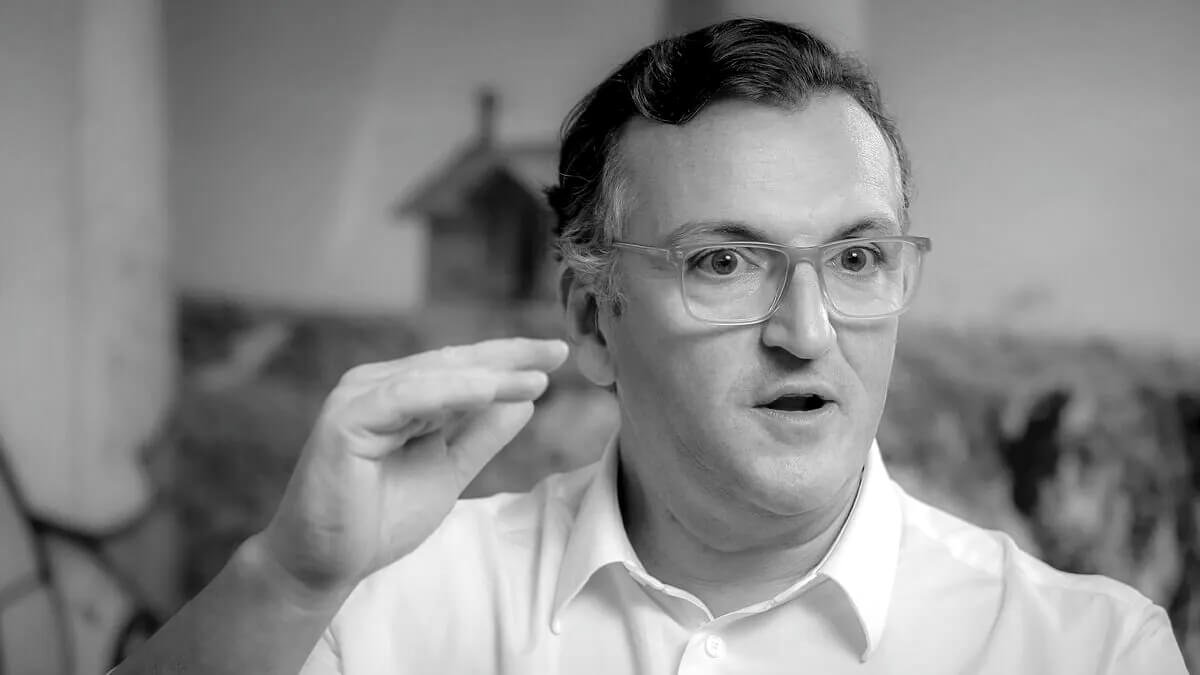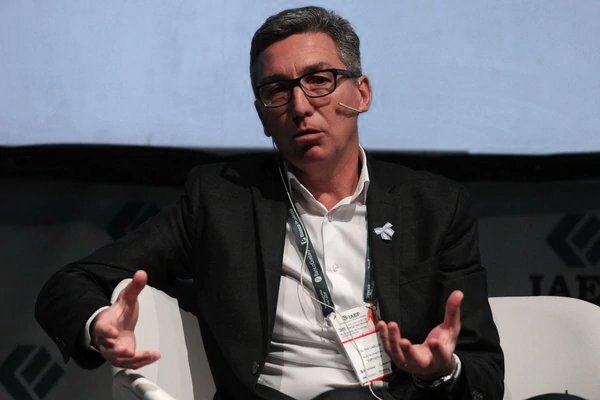
María Noel Vaeza

María Noel Vaeza built her career within the multilateral system, integrating law, international relations, and strategic management. As Regional Director of UN Women for the Americas and the Caribbean, she coordinates equality agendas across more than thirty countries. Her profile combines executive leadership, political negotiation, and resource management with a focus on measurable and sustainable outcomes over time.
Legal Training and International Approach
Her academic foundation in law enabled her to understand the regulatory architecture underpinning public policy. Specialization in international relations expanded her capacity to negotiate among States and multilateral organizations. This technical combination facilitates translating global legal frameworks into regional operational plans with concrete indicators and institutional evaluation systems.
Entry into the United Nations System
Her entry into the United Nations system marked the beginning of a career centered on cooperation and development. In this environment, management requires coordination among agencies, budget administration, and diplomatic articulation. Early experience strengthened her ability to operate in diverse political contexts while maintaining consistent technical standards.
Management at UN Women
From the regional leadership position, she oversees national offices and defines strategic priorities. The regional structure acts as a bridge between global guidelines and local realities. Her responsibilities include annual planning, resource allocation, and impact monitoring under governance frameworks that demand transparency and administrative efficiency.
Leadership with a Gender Perspective
In her management approach, a gender perspective functions as a structural variable rather than a symbolic statement. She promotes the integration of differentiated indicators into public budgets and official statistics. This framework turns equality into a criterion for economic and social planning, embedding verifiable targets within state policies.
Engagement with National Governments
Dialogue with ministries of economy, justice, and social development forms a permanent component of her agenda. Gender mainstreaming requires technical agreements that modify regulations and budget allocations. Her leadership facilitates consensus among stakeholders with different priorities while maintaining alignment with existing international commitments.
Engagement with the Private Sector
Women’s economic autonomy depends on integration into labor markets and productive systems. Under her direction, partnerships with companies are promoted to expand training, financing, and employment opportunities. Public-private cooperation enables program scaling and financial sustainability beyond political cycles.
Regional Coordination in Latin America
The region faces structural inequalities and high levels of gender-based violence. Regional leadership requires adapting global strategies to heterogeneous contexts. Vaeza coordinates actions in more than thirty countries, balancing local priorities with shared regional objectives and international standards.
Institutional Leadership Model
Her trajectory reflects leadership grounded in strategic planning, management control, and performance evaluation. In multilateral organizations, authority is sustained through verifiable results and coordination capacity. The combination of legal expertise, political vision, and efficient administration defines her executive profile within the international arena.