Miguel Galuccio
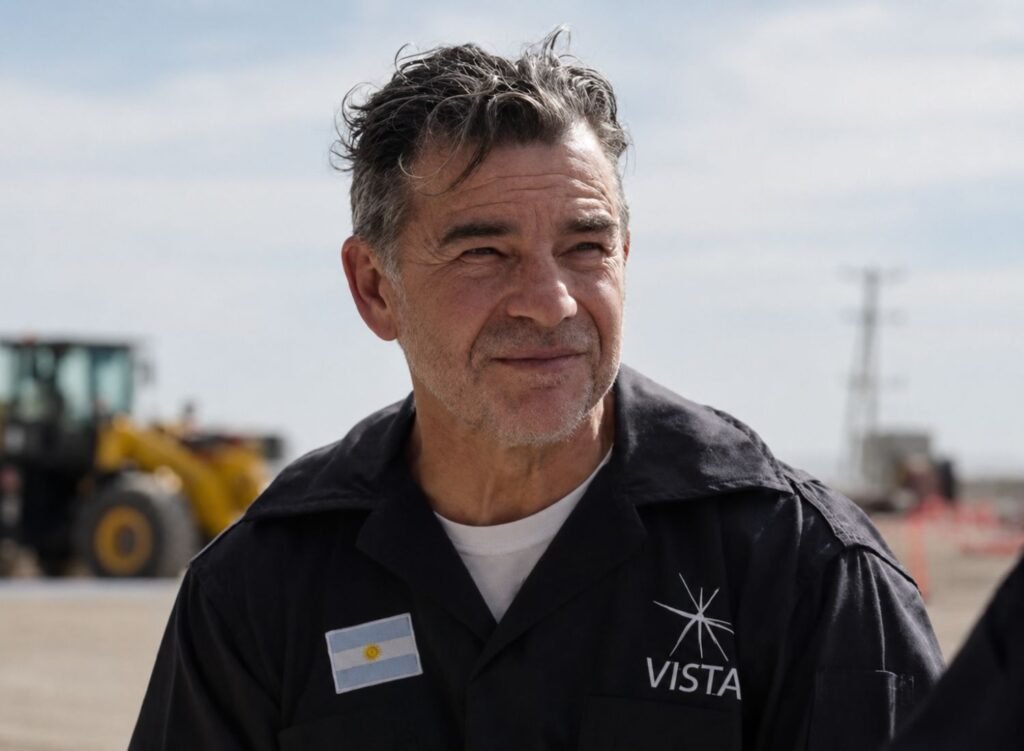
A decade abroad, an unexpected turn in Mexico and one fixed rule: culture is designed before capital.
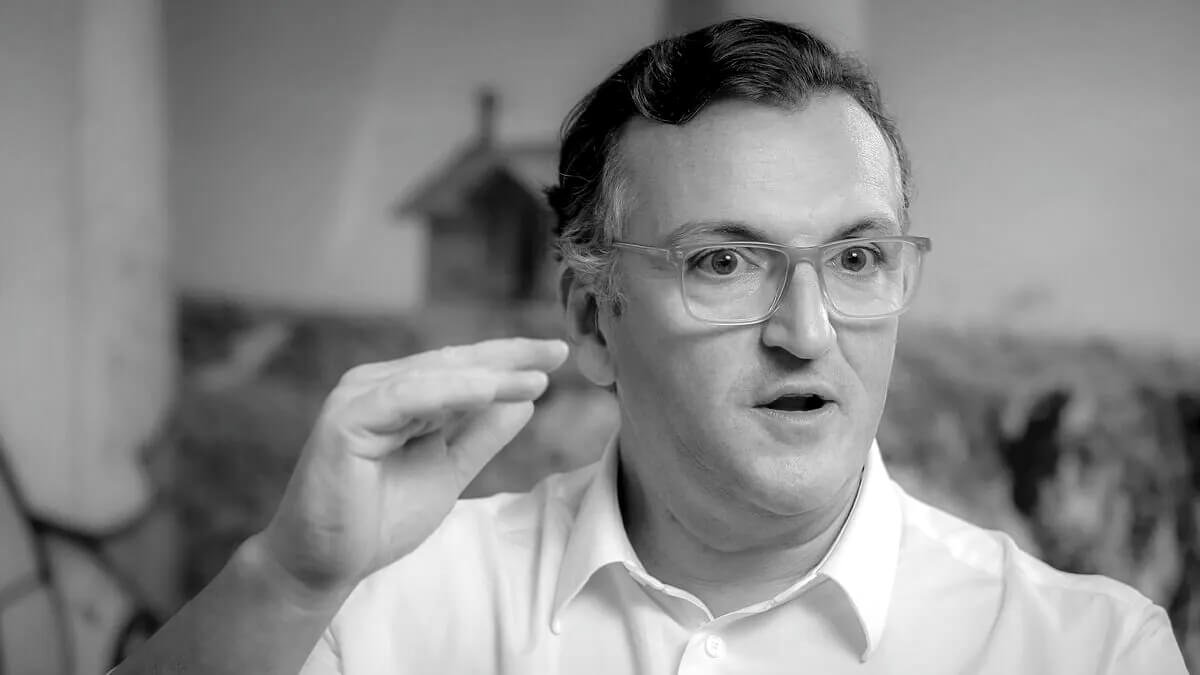
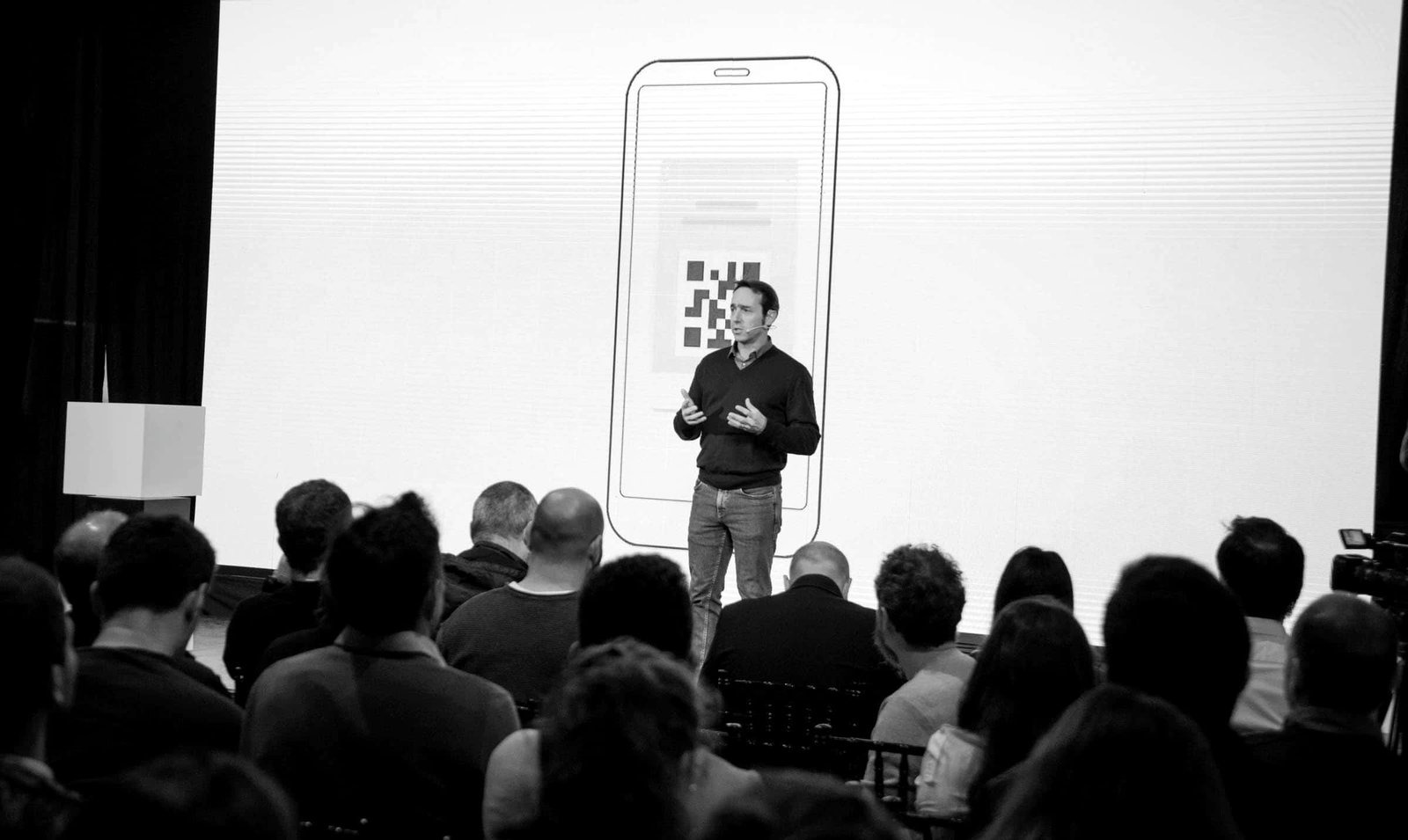
When Miguel Galuccio describes the day he built Vista Energy, he uses an uncomfortable image: building an airplane while it is already in the air. The founder and chairman of the oil company argues that good ideas are abundant in the world, while what is scarce is people capable of executing them. On that conviction, he built a company that reached a value of 8 billion dollars and is now Argentina’s largest independent energy company.
His style was not born in a business classroom. Galuccio defines himself as a generalist: someone who can dive into a technical problem but knows how to return to the surface to look at the full picture. That ability, he says, came from the decade he spent at Schlumberger, the oilfield services company where, in his own words, he became good at what he is good at: leading integrated and multidisciplinary teams.
The operation that was losing money in Mexico
There is one episode he often repeats as a turning point. At WesternGeco, within the Schlumberger universe, there was a seismic operation in Mexico that was losing money every day. It was assigned to the executive who had asked for a challenge. Galuccio landed without knowing anything about seismic work and asked to go to the field the next day, against the advice of the managers who ran everything from the capital. He remembered a phrase from one of his university professors: the best way to solve a problem is to walk it.
He walked it. He discovered that the line of microphones, several kilometers long, stopped every time a small agricultural producer refused to let it move forward. The solution was not technical. He hired a social worker, Lupe, and built with her a team that moved ahead of the operational line to understand the needs of each farmer and solve them beforehand —from drilling water wells to handling other basic urgencies—. That unlocked productivity. The anecdote condenses his method: staying close to the place where things happen and reading the human side of the problem.
Culture as the first blank page
For Galuccio, that lesson of “going to the trench” is not optional. He believes young professionals have to be placed early where difficult decisions are made, without a safety net, because that is where not only technical skill is formed, but also character. He himself arrived in Las Heras at the age of 28 with little experience, and keeps as a lesson a phrase a veteran told him on a dirt airstrip in Patagonia: that the only difference between that town and Paris was the lights.
When he decided to create Vista, the first thing he designed was not the investment, but the culture. He looked for complementary and senior profiles willing to leave comfortable jobs to join what, at the time, was a leap into the unknown. The founding team combined very different specialties: Pablo Vera Pinto in finance, Juan Garoby in technology, Alejandro Cherñacov in strategic planning and investor relations, and Matías Weissel as chief operating officer. The idea, he says, was to build “an animal”: agile, innovative and run by its own owners.
The instrument that made him lose sleep
The riskiest financial piece was a SPAC, a company created to raise capital without yet having an asset: what Argentine investors call a “blank check.” Galuccio raised 800 million dollars, according to him, the largest energy SPAC in Latin America and one of the largest in the world. The night before the meeting where shareholders could withdraw their money, no one on the team slept. It went well, and the stock began trading in New York at 9 dollars.
Miguel Galuccio’s leadership rests on a phrase he often repeats about Vista: that it is a company “served by its own owners,” where employees feel ownership over what they do. That logic of belonging came from the rugby club in his hometown, where players had to mark the field, cut the grass and prepare the post-match gathering before playing.
On the future, he is clear: the company has exploited only 10% of its resources, and much of its potential, he admits, will be developed by those who continue after him. He presents it without drama, like someone who has already thought about succession and believes his model can be replicated in other industries in the country.