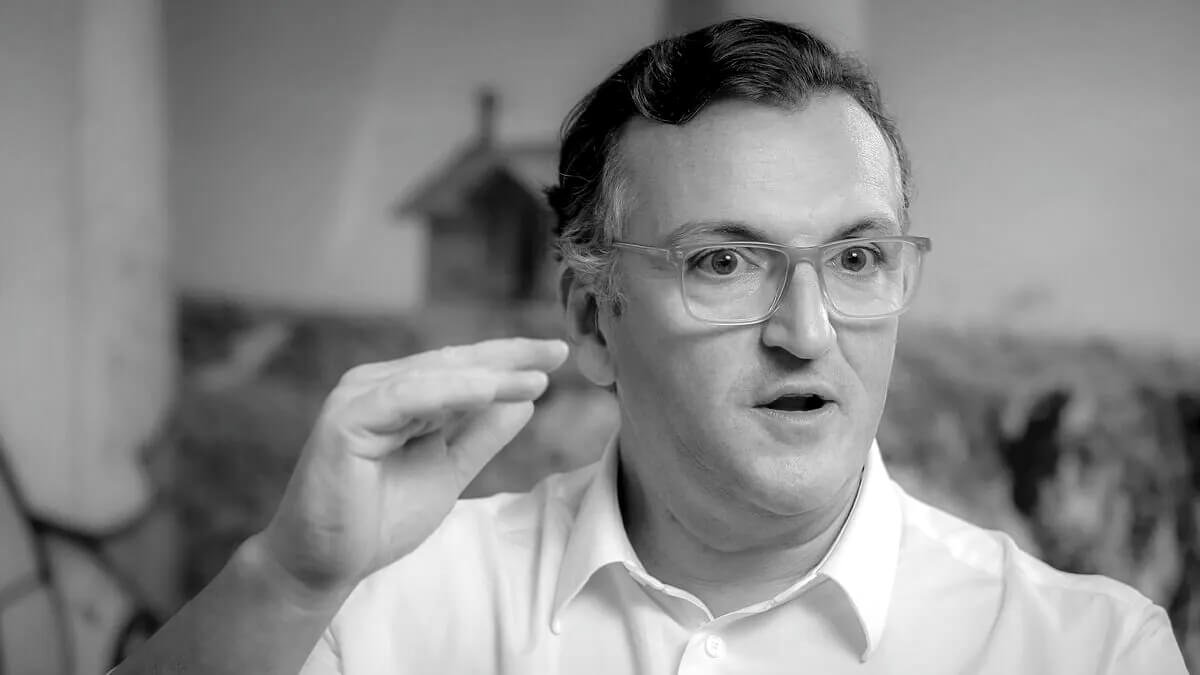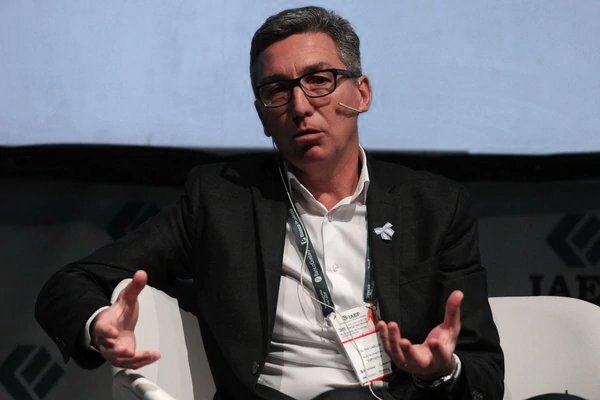
Wael Sawan
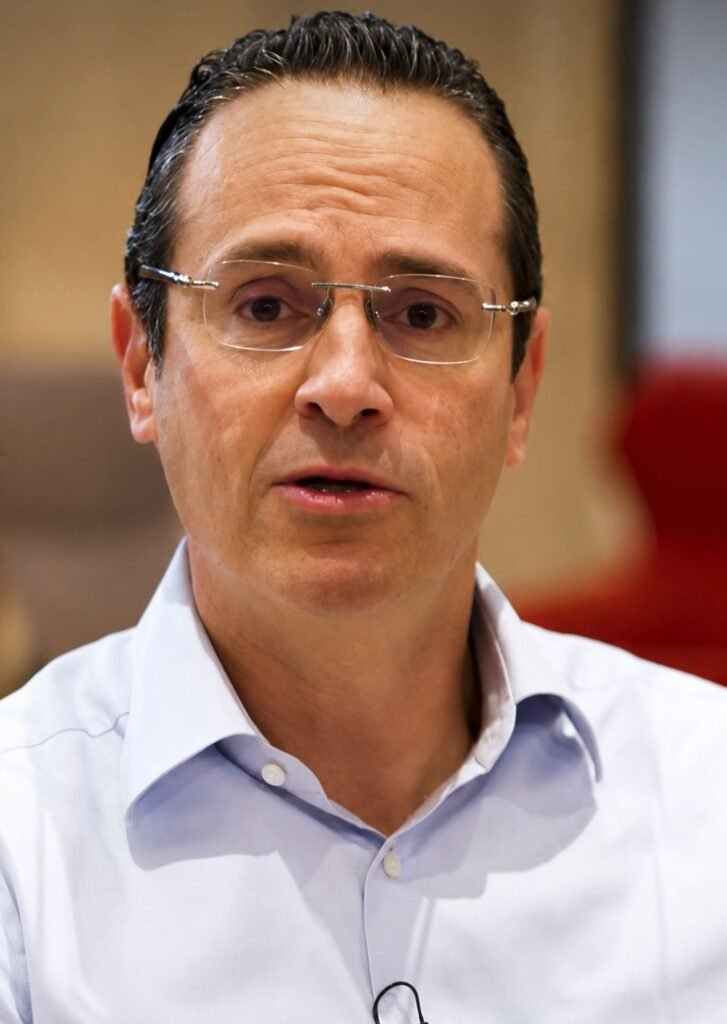
He reorganized the structure, reduced the executive committee and oriented the financial strategy toward shareholder returns. The decisions that defined his leadership.
Since taking over Shell’s leadership on January 1, 2023, Wael Sawan has imprinted a recognizable mark on his management: simplifying the organization, concentrating the most profitable businesses and reinforcing returns for investors. Those three lines explain much of the decision-making during his first stage at the head of the energy company.
A restructuring shortly after taking office
The first move came almost immediately. At the end of January 2023, Sawan announced the combination of the oil, gas and LNG production divisions into a single structure, headed by Zoë Yujnovich, until then director of upstream. In parallel, renewables operations were integrated with refining and marketing under the leadership of Huibert Vigeveno.
The reform had a concrete effect on the top leadership: the executive committee went from nine to seven members, with the argument of simplifying the organization and improving performance. “Fewer interfaces mean greater cooperation, discipline and speed,” Sawan said when explaining the change. The phrase summed up his management approach, focused on reducing internal layers and accelerating decision-making.
The bet on shareholder returns
The second axis of his leadership was financial. Under Wael Sawan’s management, Shell allocated a substantial share of its resources to share buybacks, with disbursements close to $3.5 billion per quarter. The policy showed continuity: the company accumulated fourteen consecutive quarters with buybacks equal to or above $3 billion.
The objective behind that strategy was explicit: to narrow the valuation gap that separates Shell from the large energy companies based in the United States, which trade at higher multiples. Share buybacks thus became a central tool to respond to that permanent comparison with its North American peers.
The reshaping of the portfolio
Sawan’s management was also based on a review of the relative weight of each business. The executive came from a career marked by portfolio decisions — as director of upstream, he had led the sale of assets in the Permian Basin and the exit from onshore operations in Nigeria — and transferred that logic of constant evaluation to general leadership.
In the Northern Hemisphere summer of 2023, the company decided to set aside its plan to cut oil production every year for the rest of the decade, a definition that kept the focus on cash generation and returns. His management thus combined attention to traditional hydrocarbon businesses with a presence in the low-emission energy segment.
An executive who steps out to set the position
Sawan’s style also includes direct exposure to the markets. In February 2026, during an investor conference, he appeared alongside chief financial officer Sinead Gorman to clear up reports about movements in the group’s portfolio and to emphasize the potential of certain operations. That intervention showed a CEO willing to take the microphone when information about the company circulates, rather than delegating communication with analysts.
More than three years after his arrival, Wael Sawan’s leadership is defined by the pursuit of internal efficiency and financial discipline. The next earnings report will once again measure whether that formula achieves the goal he set from the beginning: closing the distance with the American energy giants.