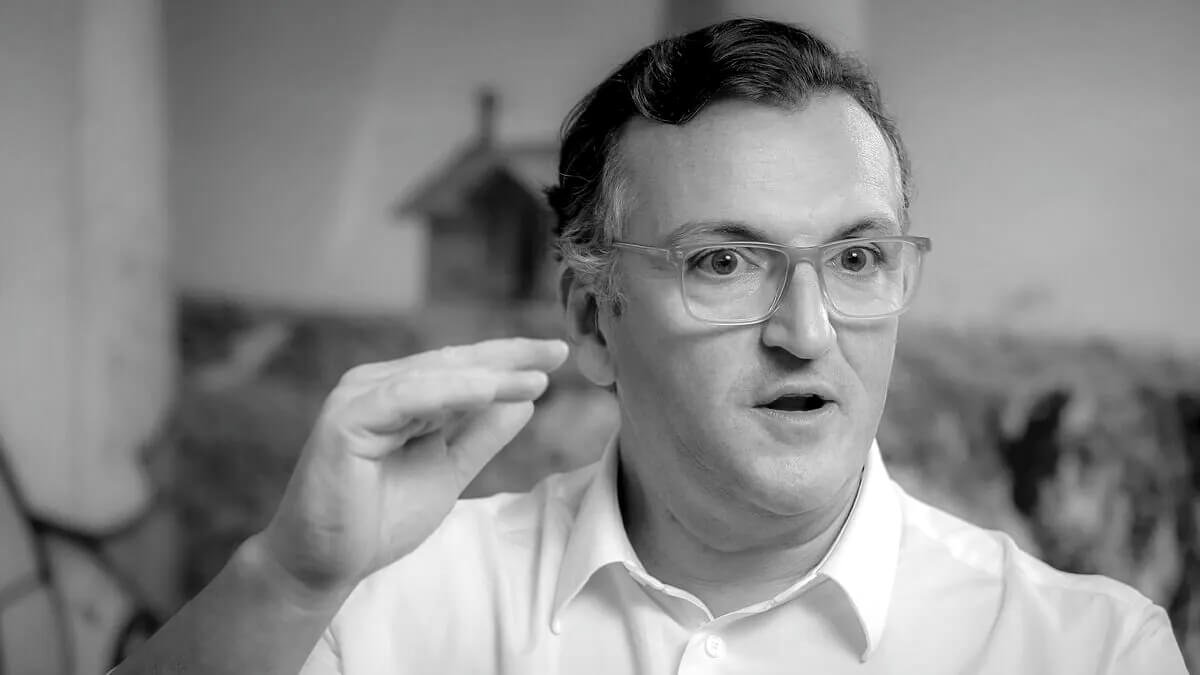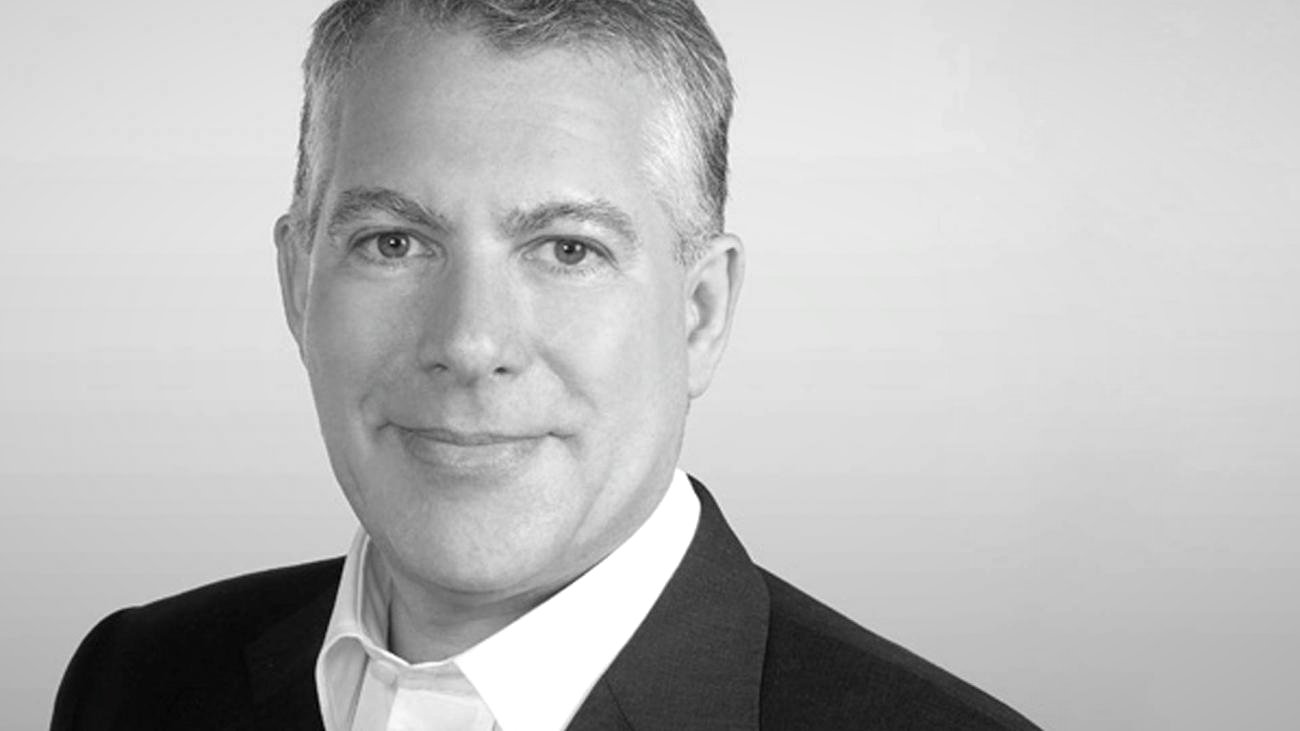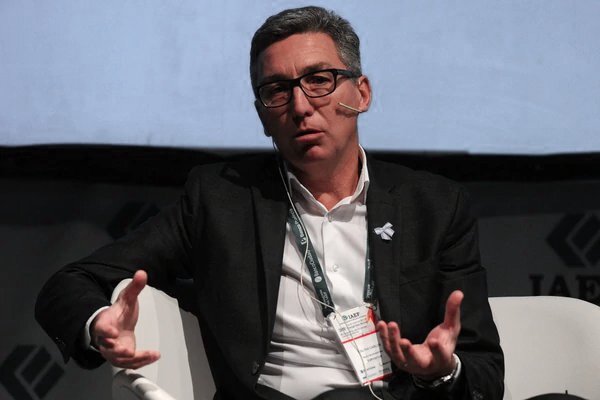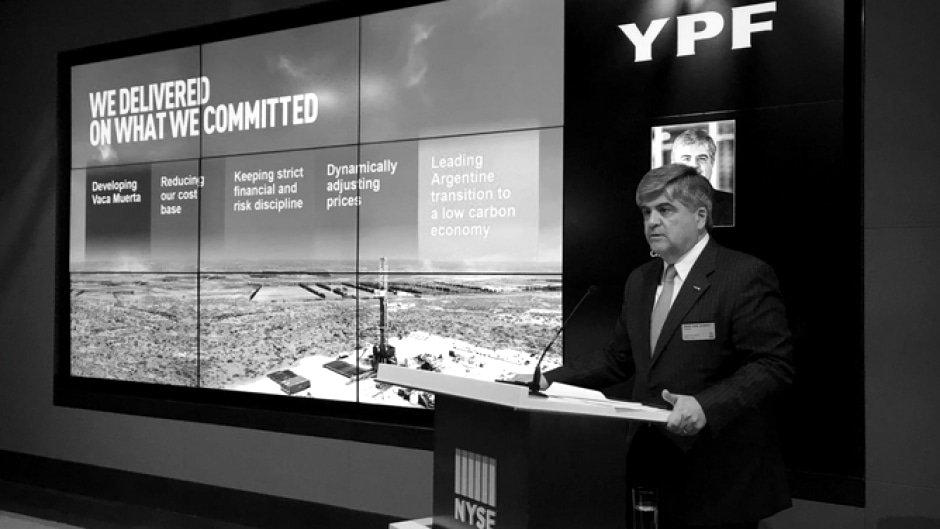
Renato Catallini
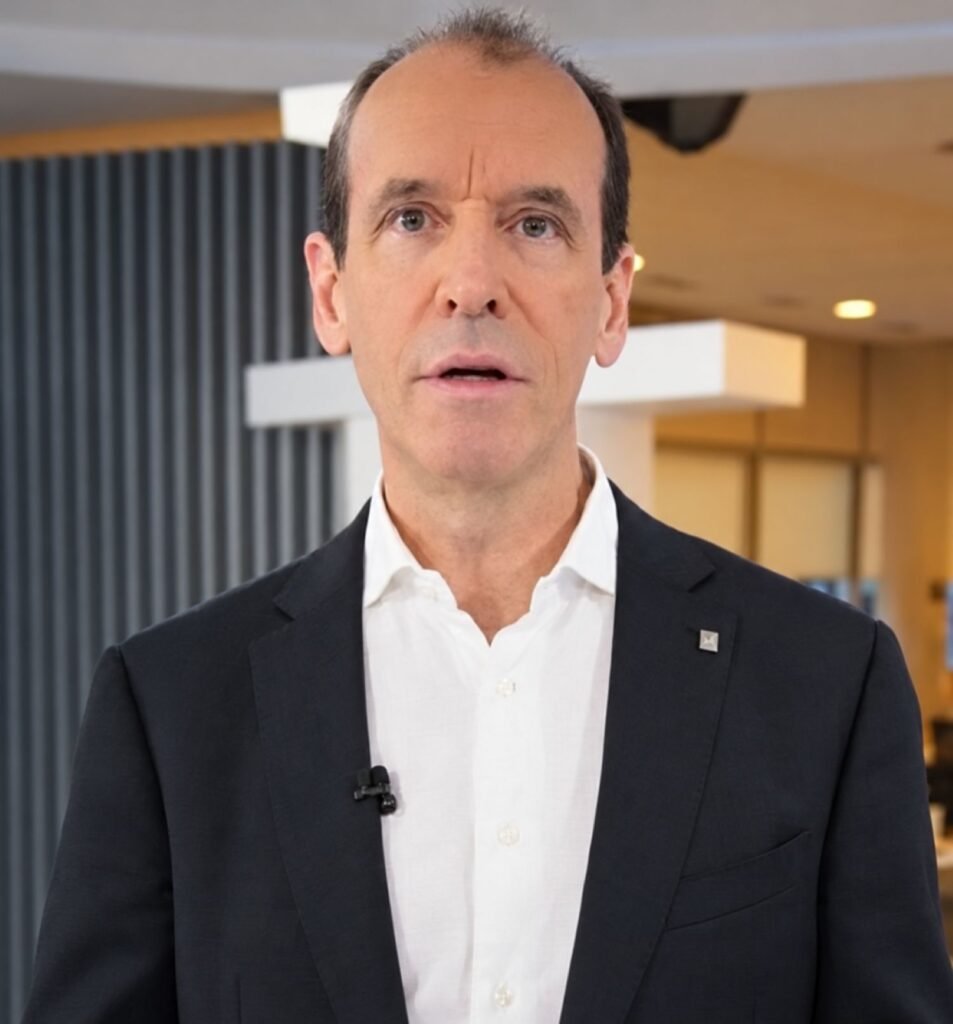
He spent almost his entire career in the Techint Group, but not in steel: he started in engineering and construction, spent more than ten years in energy, and returned to the group in 2001 to work in procurement, the least glamorous area and one of the most decisive in an industrial company. He became Tenaris’s global supply chain director and headed its Brazilian operation from 2012. On February 1, 2026, he became managing director of Ternium Argentina, based in San Nicolás de los Arroyos, replacing Martín Berardi, who had held the position for twenty-one years. He took over a company with more than 5,300 employees that had just reversed an operating loss of 65.1 billion pesos.
Exiros, Techint’s Less Visible Training Ground
His career began where things are built rather than produced. His first job was at Techint Engineering and Construction, the branch of the group that builds plants, gas pipelines and civil infrastructure.
He then left the group for more than a decade to work in the energy sector. He worked at TGN, Nova Gas International, TransCanada and TotalFinaElf, meaning he gained experience in both gas transportation and an integrated oil company.
He returned in 2001 to Exiros, and that is the detail that defines his profile. Exiros is the Techint Group’s procurement and supply unit: the company that negotiates inputs, contracts and supplier logistics for the entire conglomerate. He joined as managing director of its Argentine operation and became managing director of the company in 2005.
It is worth considering what that means in terms of training. Leading procurement in a steel and energy group means managing the cost side: knowing the price structure of every input, delivery times, exchange-rate exposure and dependence on each supplier. An executive with that background reads financial statements starting with the cost line rather than sales.
From the Global Supply Chain to Brazil
In 2007, he moved to Tenaris, the group’s seamless tube company, and became its global supply chain director.
That position was the worldwide version of what he had done at Exiros. Tenaris supplies the oil industry in dozens of countries, with plants on several continents and customers who cannot tolerate delays, because an idle well costs money every day. Coordinating that is a logistics engineering problem before it is a commercial one.
In 2012, he was sent to lead Tenaris Brasil, the operation in the region’s largest industrial market, and remained there until his appointment at Ternium. Thirteen years heading operations in a country that, for any company in the group, represents both the biggest prize and the toughest test.
When Ternium announced the change in October 2025, several reports described it as a generational handover. A more precise reading is different: they put someone trained in costs, procurement and logistics in charge of a steelmaker at the exact moment when those three areas were the problem.
What He Took Over on February 1
The company he took over is not a single plant. It comprises eight industrial centers in San Nicolás, Ramallo, Rosario, Canning, Florencio Varela, Haedo, El Talar and Ensenada, with more than 5,300 people and the blast furnace on the Paraná River at the heart of the system.
The financial statements he inherited have two sides. In 2025, the company reversed an operating loss of 65.1 billion pesos and turned it into an operating profit of 59.1 billion, with net sales of 2.5 trillion and shipments of 1.88 million tonnes, 13% more than the previous year. The domestic market grew 16%.
The other side lies in the margin and exports. The operating margin stood at 2%, a thin figure for an integrated steelmaker. Exports fell to less than half their previous level: from 90,400 to 44,900 tonnes. The company depends on the domestic market more than before, just as that market is becoming more exposed to imported products.
In the global picture, the Argentine operation is the smallest of Ternium’s three major operations: Mexico accounts for 52% of group sales, Brazil for 25% and Argentina for 12%.
Forward Integration
A transaction from January 2026 deserves precise attribution because it was announced before he formally took office, although it falls squarely within his specialty.
Ternium bought TASA, a manufacturer of structural tubes, line pipes, profiles, highway guardrails and profiles for solar panels, for 24.4 million dollars. The seller was a Chilean-owned company in the CAP Group that decided to leave the country. Its plants are in El Talar, in Greater Buenos Aires, and Justo Daract, San Luis, and annual sales are around 42,000 tonnes.
The transaction’s logic concerns a link in the chain. Ternium already sold coils to TASA, so buying it means moving from selling flat steel to a processor to owning the processing operation. In an industry under pressure from imports of finished products, moving toward higher-value activities in the chain is a response that does not depend on changes in trade policy.
October 2026: His First Public Position
After eight months in the role, he gave his first interview setting out his position. It appeared in La Voz del Interior on October 13, 2026, and established four fronts.
On China, he was direct: “China clearly represents unfair competition because it is an economy fundamentally subsidized by state resources.”
On the automotive industry, one of the destinations for flat steel, he called for Mercosur’s local-content rules to apply to Chinese manufacturers as well, and warned against replacing regional production with the assembly of imported parts: “We should not aim to replace the Argentine or Brazilian automotive industry.”
On smuggling, he said they were seeing it increase and called for firmer state intervention: “We also see an increase in the level of smuggling.”
And on taxes, he provided a number. He argued that local companies face a tax burden between 30% and 40% higher than competitors based in Brazil or Mexico, identified the gross receipts tax as the most distortive burden, and raised the need for tax reform. In the same passage, he welcomed falling inflation and the national government’s fiscal discipline.
Taken together, these points have a consistency with his training worth highlighting. None of his demands concerns price protection. What he lists are the components of the cost of producing in Argentina compared with producing in the two countries where his own company produces more, precisely the comparison someone who spent years in procurement and supply would make.
What Can Be Measured
An honest assessment of his tenure is necessary: eight months is not enough to evaluate industrial leadership, and the 2025 figures mark the close of his predecessor’s period.
What has been established, however, are the indicators by which he will be judged. The first is the operating margin, which at 2% leaves no room for investment. The second is exports, which collapsed and are the only way to use installed capacity when the domestic market is insufficient. The third is integration into higher-value-added products, which began with TASA and is the move his own career makes predictable.
And there is a fourth, of a different kind. His predecessor left a support program for more than a thousand SMEs in the value chain and an emissions-reduction plan with a company-owned wind farm. Those two things will either survive a change in managing director or they will not, and the answer will say a great deal about the kind of leadership the group chose when it put a cost specialist in charge of a steelmaker.