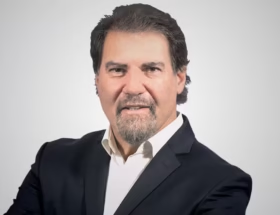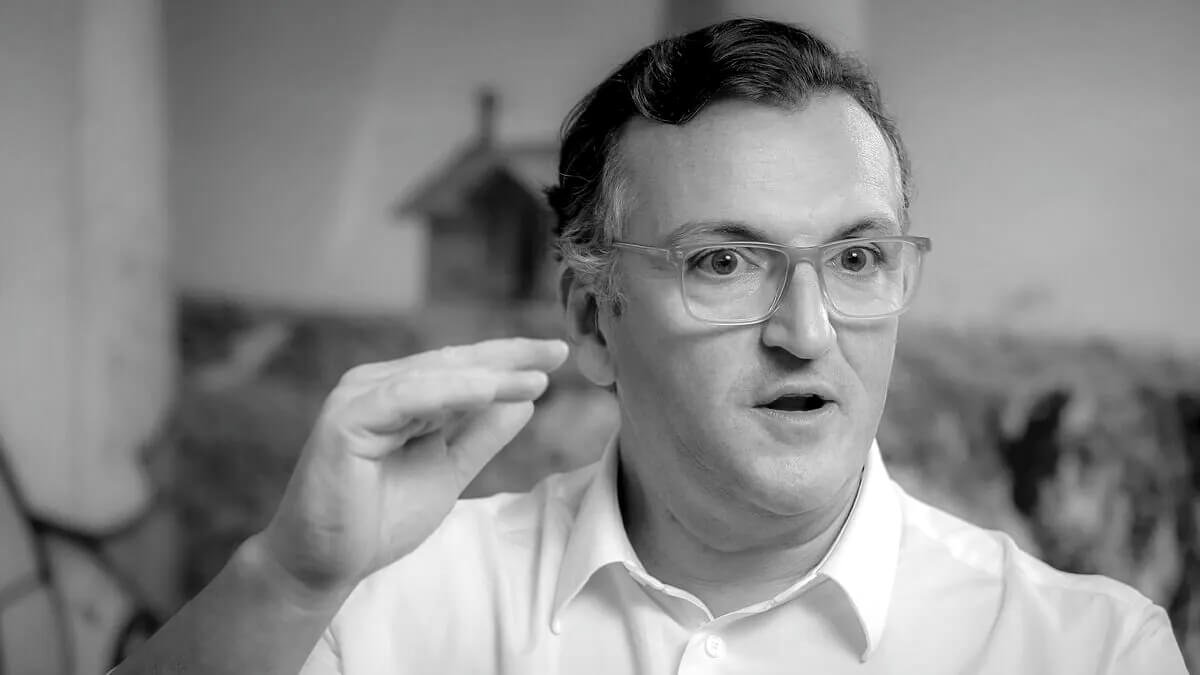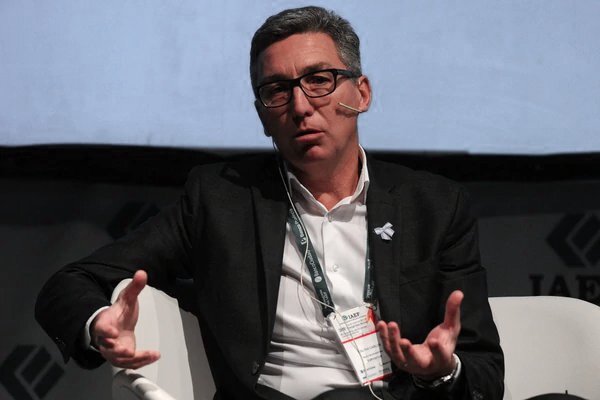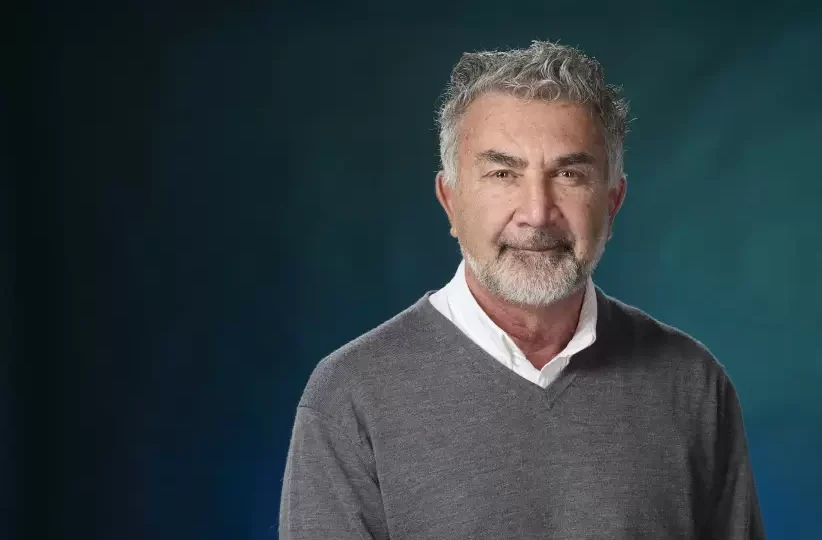
Teddy Karagozian
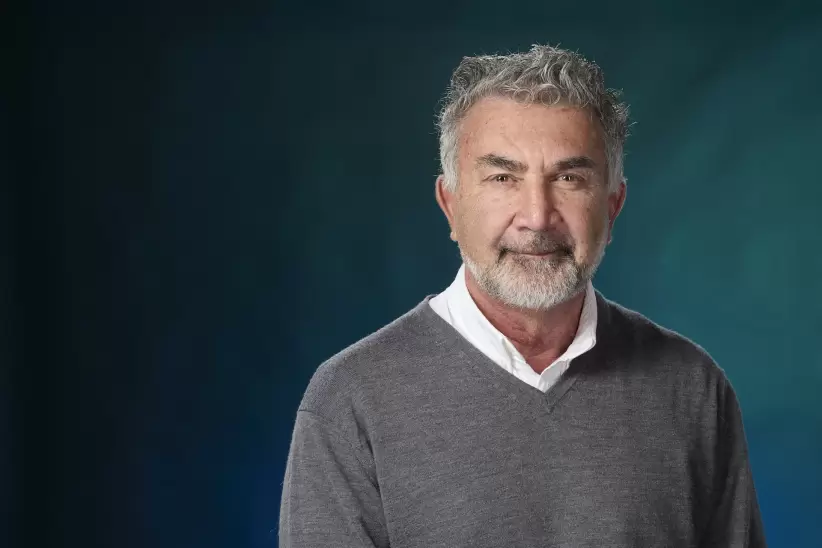
Teddy Karagozian built his career in the textile industry and brought some of his business concerns into economic debate. For decades, he led TN&Platex and promoted proposals on employment and taxation, including the “Argentine backpack,” an employer-funded severance guarantee scheme.
He also served on Javier Milei’s Council of Economic Advisers, leaving in July 2024 after questioning aspects of the economic program. In 2026, financial difficulties affected both businesses within the family group and his personal financial position.
TN&Platex: a family business operating across several provinces
TN&Platex was founded in 1979 by his father, Agop Karagozian. Under Teddy’s leadership, the group expanded to become one of the region’s leading yarn producers.
At its largest, it had fourteen factories and around 1,600 employees, with facilities in La Rioja, Catamarca, Corrientes and Tucumán.
Over time, day-to-day management passed to his son Tomás, representing the family’s third generation. Teddy retained a role in the group’s strategy and a public presence focused on industrial conditions.
The succession reflected a subject he often discusses: how to professionalize a family business and prepare for a generational transition while maintaining continuity.
The “Argentine backpack” and the employment debate
In 2021, Karagozian publicly presented the “Argentine backpack.” His argument was that uncertainty over the cost of dismissals could discourage new hiring.
The proposal called for a Severance Guarantee Insurance scheme funded through employer contributions based on payroll. It sought to ensure that workers’ payments would not depend solely on an employer’s financial position and provided for protection to continue when changing jobs.
Karagozian promoted the proposal at business meetings and in discussions on labor legislation. Its stated aims were to encourage formal hiring and reduce uncertainty for companies without removing worker protection.
He also outlined tax proposals in Revolución impositiva, discussing the relationship between public spending, revenue collection and formal employment. His institutional activities included establishing Fundación Pro Tejer, associated with the textile value chain.
Serving on the presidential advisory council
Karagozian served on Javier Milei’s Council of Economic Advisers, headed by Demian Reidel. His participation ended in July 2024 after he publicly expressed disagreements with aspects of the economic plan.
His departure placed him at the center of a longstanding debate: how to reconcile domestic industrial production with changes in economic and trade policy.
His positions received support from industry executives and criticism from economists who opposed tariff protection. Karagozian continued speaking publicly about taxes, production costs and employment.
The difficulties of 2026
In April 2026, DFAC, the family’s clothing brand whose name referred to selling directly “From Factory to Consumer,” announced that it would close and liquidate its remaining stock. That decision should be distinguished from the operations of TN&Platex as a whole.
During the same year, Hilado S.A., one of the group’s companies, entered court-supervised restructuring proceedings.
In October, reports emerged that personal restructuring proceedings had also been opened for Teodoro “Teddy” Karagozian. His case is being handled jointly with Hilado S.A.’s before the courts in La Rioja, under Judge Walter Peralta.
The personal proceedings, Hilado S.A.’s restructuring and DFAC’s closure relate to the same family group, but concern different entities and activities. Presenting them as a single closure would obscure what happened in each case.
Industry and proposals
Karagozian’s career combines the expansion of a family company, succession planning and participation in economic policy discussions. The difficulties of 2026 added another dimension: the need to address financial restructuring.
His proposals can be debated separately from his companies’ performance. The “Argentine backpack,” for example, raises questions about who finances protection against job loss and how those costs are distributed.
Throughout his career, industrial activity and public debate have been connected. The problems he encountered in production, hiring and financing also became the subjects he chose to discuss publicly.