Leo Ferrari
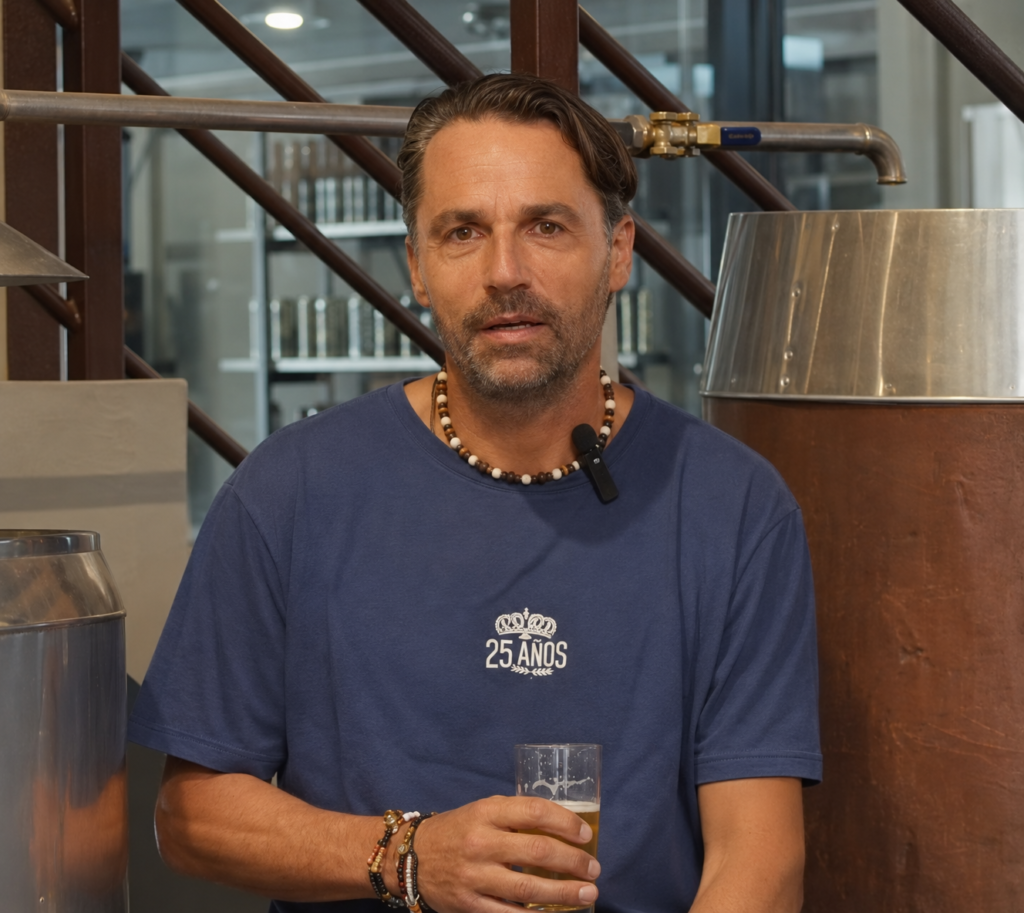
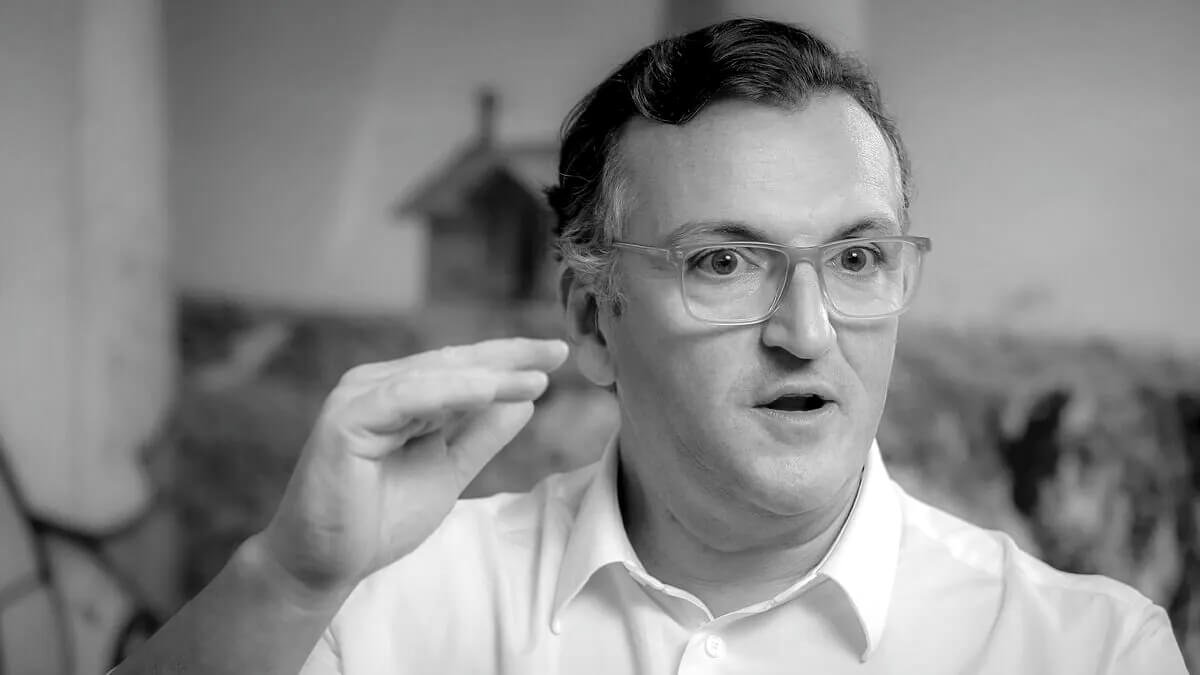
Leo Ferrari started brewing beer in a garage in Mar del Plata with Mariana Rodríguez and Pablo Rodríguez. In 1998, the three friends opened Antares, a bar with an attached brewery where customers could drink beer made on site. That first location helped pioneer craft beer in Argentina. Today, with more than 40 operating locations, according to the company, Antares is rethinking the format that helped it grow.
3025 Córdoba Street
At the first Antares, on Córdoba Street, the partners served a blonde ale, a Scotch ale, and a porter. They also had a 100-seat restaurant to run, something none of them knew how to do when they opened. For customers, part of the novelty was trying beers they rarely found elsewhere and asking the people who made them why they tasted and looked different from one another.
The brewpub format let the partners serve their beer directly and talk to the people drinking it. Ferrari recalls that they wanted somewhere customers could get to know what they were making. Those conversations became part of a visit to the bar, particularly when craft beer styles were still unfamiliar to many drinkers.
From selling kegs to opening bars
The partners’ first plan for expansion was to sell kegs to other bars. According to their account, some venues removed Antares taps after facing pressure from major brewers. The founders looked for another way to reach drinkers and began opening franchises. The model took Antares to cities such as La Plata and Tandil, and eventually to other provinces.
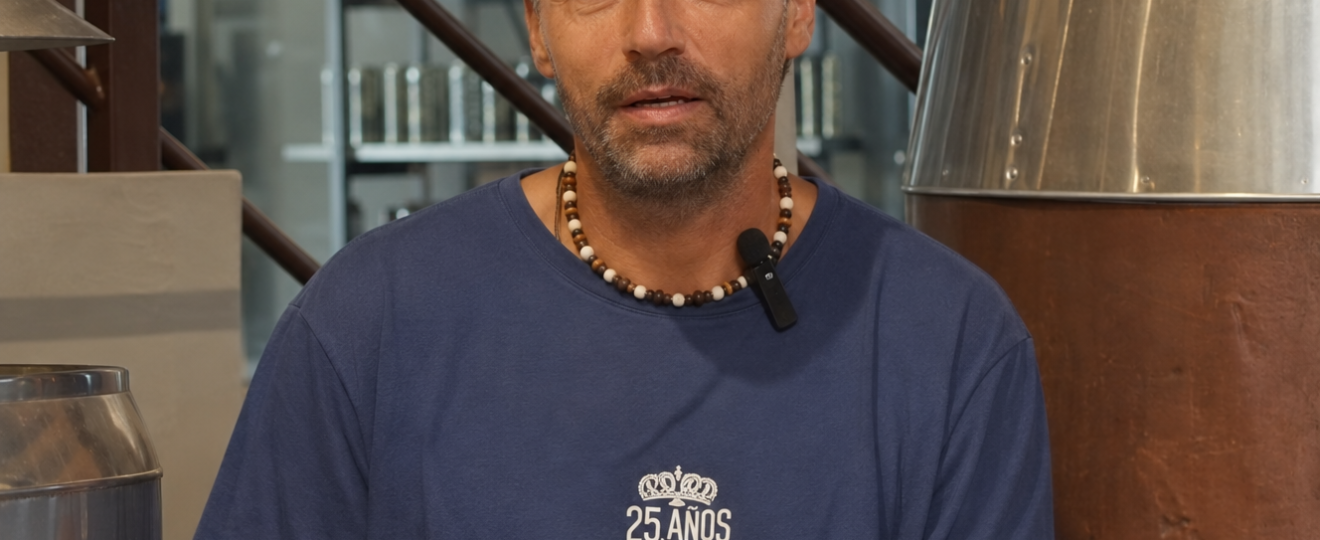
Production grew as well. The brewery on 12 de Octubre Street was followed by the Bar de Fábrica in 2013 and a plant in the industrial park in 2017. When Antares marked its 25th anniversary in December 2023, it reported around 60 franchises and annual production of six million liters across its two plants.
Smaller bars and a broader menu
Before the pandemic, around 90 percent of Antares sales came from beer served on tap at its bars. With those locations closed, packaged beer gained shelf space in stores. A later decline in consumer spending prompted the company to reconsider how much space its bars needed and what they should offer.
New bars can occupy 100 to 120 square meters, compared with more than 300 at some older locations. The newer format features brighter interiors, coffee, and cocktails. The drinks list also includes alcohol-free options such as an IPA. The smaller footprint is intended to cut operating costs and make the format easier to adapt to different locations.
What they learned at the first bar
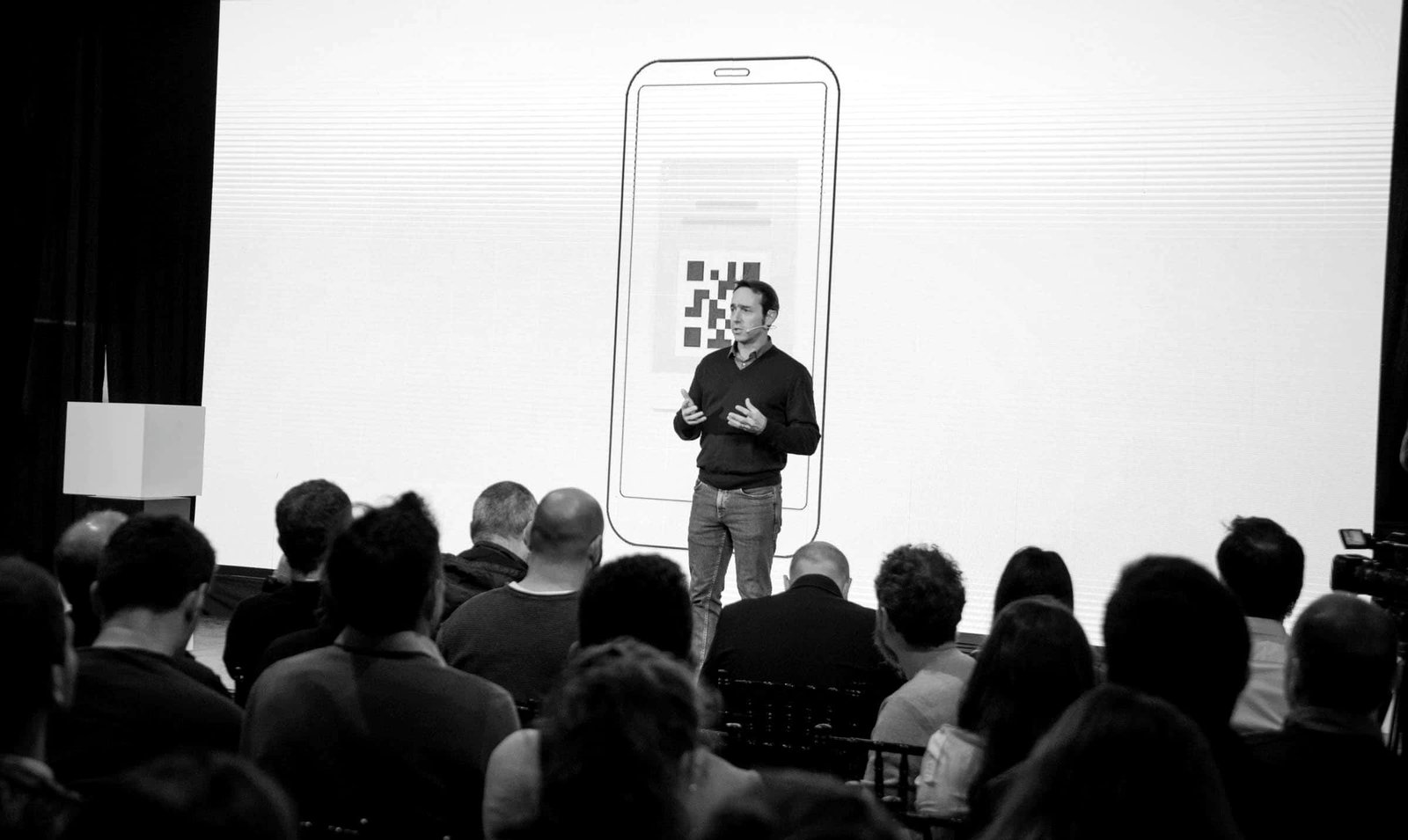
As Antares grew, it ran courses and welcomed people who wanted to learn how to brew. Some former employees went on to work at other breweries in Mar del Plata. What Ferrari and his partners learned in the garage and at their first bar passed on to other teams.
At 3025 Córdoba Street, the challenge was getting someone to sit down and try a Scotch ale or a porter for the first time. With bars across Argentina, Antares now has to decide how much room to give beer, what else to serve, and how large a bar each city can support.