Nicolás Szekasy
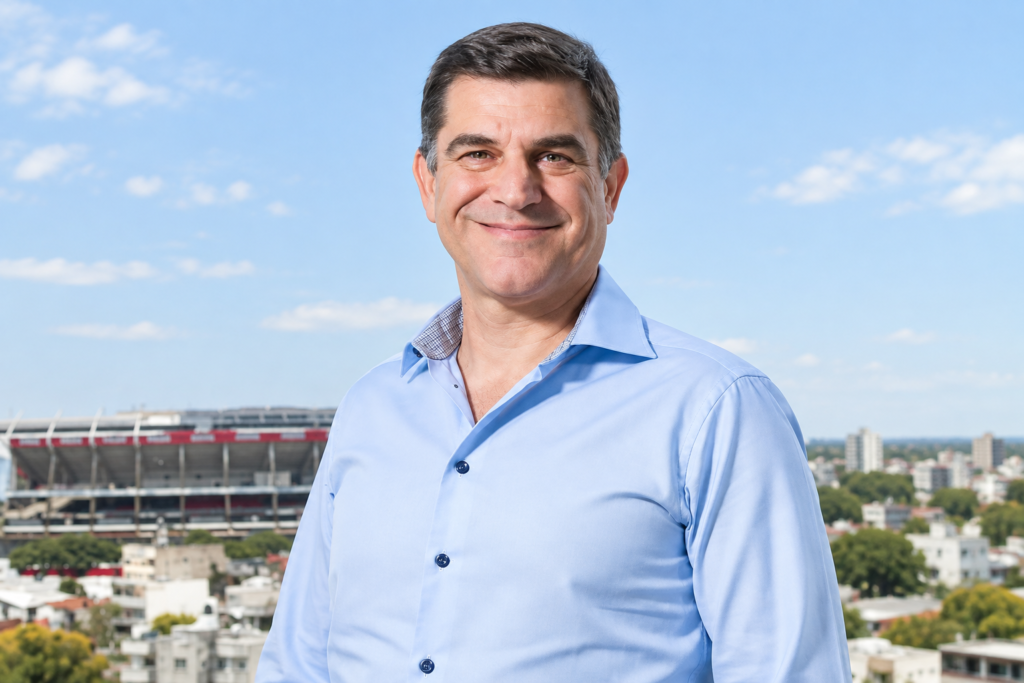
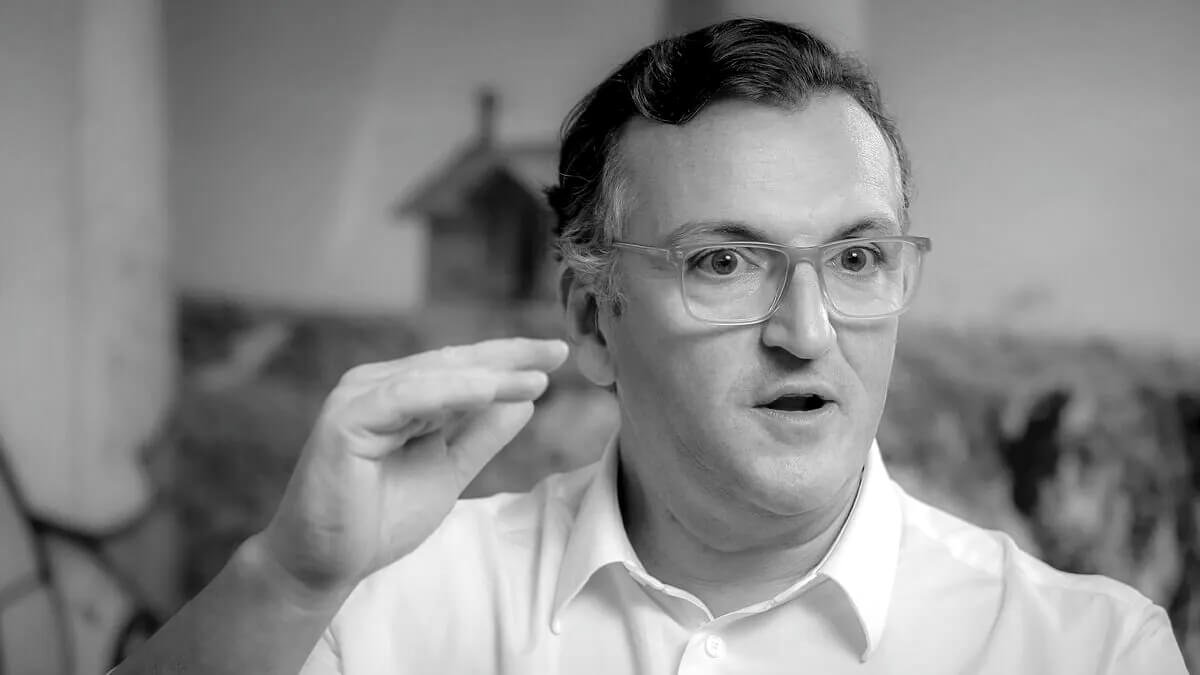
Nicolás Szekasy made two decisions that changed the region’s technology landscape. The first was leaving an executive position at a multinational consumer goods company to join an internet business that was just getting started. The second, more than a decade later, was leaving the CFO seat at that same company, by then a giant, to build an investment fund with a former teammate. The first led to Mercado Libre’s IPO; the second to Kaszek, Latin America’s largest venture capital fund and the first to back Nubank when the Brazilian fintech was little more than a presentation.
From PepsiCo to the Garage
Before the internet had become a real business in Argentina, Szekasy held a finance position at PepsiCo, following a predictable and upward corporate career. In 1999, he received an invitation that pulled him off that path: Hernán Kazah, who was launching Mercado Libre with Marcos Galperin, asked him to join the team.
Their connection had an unusual origin: they met through Szekasy’s wife, who had been Kazah’s professor at the University of Buenos Aires. Kazah, in turn, had met Galperin while completing his MBA at Stanford.
Szekasy accepted and became the company’s first chief financial officer, at a time when Latin American e-commerce was still little more than a promise.
A Decade in the Finance Seat
As Mercado Libre’s CFO, Szekasy designed the company’s financial strategy and led its early funding rounds, including eBay’s entry as a shareholder in 2002. He had to manage the company’s finances through two major storms: the collapse of the dot-com bubble and the 2008 global financial crisis.
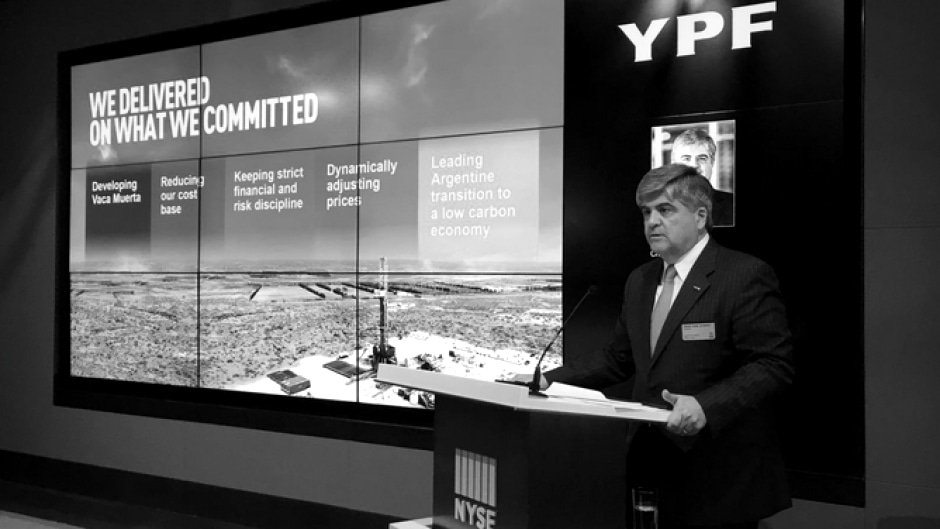
Between them came the milestone that defined his career. In 2007, Szekasy led Mercado Libre’s IPO on Nasdaq, a transaction that raised $333 million and became the largest public offering by a regional e-commerce company up to that point. The company entered the market with a valuation of around $745 million. Today, it is worth tens of billions.
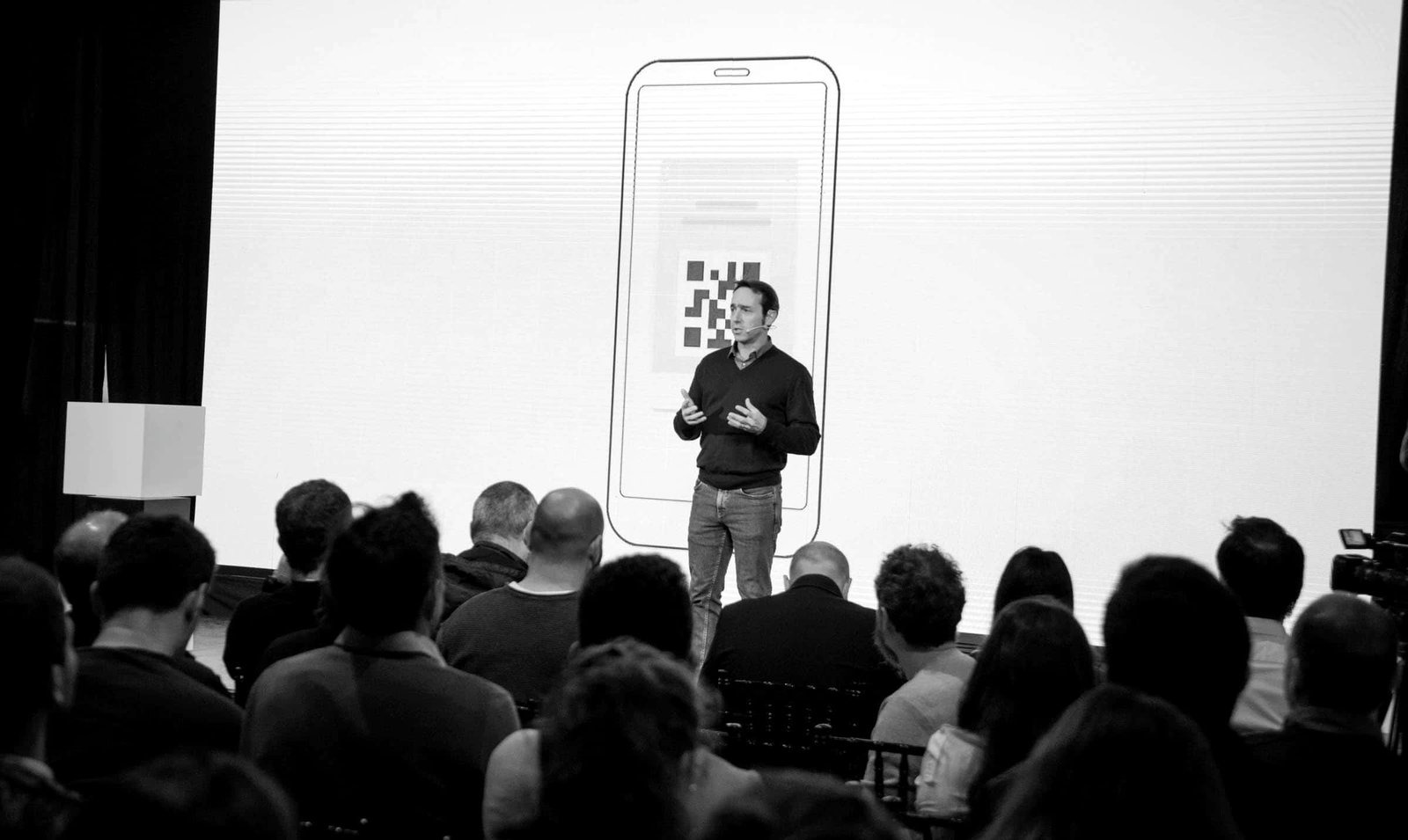
The IPO had a side effect that he later described himself: his profile became public, and he began receiving emails and calls almost every day from entrepreneurs looking for advice and, in most cases, capital. That led to an active period as an angel investor and earned him Endeavor Global’s Mentor of the Year award in 2011.
Kaszek: Two Surnames and a Fund
In 2011, Szekasy and Kazah founded their own fund and named it after the first syllables of their surnames: Ka from Kazah and Szek from Szekasy. They started with a first fund of roughly $95 million, financed largely by the Mercado Libre ecosystem itself: the founders, former colleagues, early investors in the company, and contacts in Silicon Valley.
Szekasy explains the fund’s evolution through a series of stages. With the second fund, they were able to show traction, with companies that had validated products and growing revenue. The third brought the first exits and liquidity. From the fourth onward, what mattered was the track record: value created and money returned to investors. Their investor base also changed, moving from friends and family in the first fund to large institutions.
Today, Kaszek has raised more than $3 billion across nine funds, backed more than 130 technology companies, and operates from four cities: São Paulo, Buenos Aires, Mexico City, and Montevideo. Its portfolio includes Nubank, QuintoAndar, Kavak, Creditas, Bitso, Wellhub, and Nuvemshop, among others.
The Bet That Defines His Method
The most frequently cited investment of Szekasy’s career is Nubank. Kaszek was the Brazilian digital bank’s first investor when the company was essentially a presentation on a screen and its founder, David Vélez, still had no product. Years later, Nubank became Latin America’s most valuable fintech and went public in New York.
Szekasy entered venture capital with a credential that is unusual among investors: he had spent ten years as CFO of the region’s largest technology company. That operating experience shapes the way he invests. He focuses less on whichever sector happens to be fashionable and more on the quality of founders and the financial discipline needed to sustain a company in economies as volatile as those of Latin America. One idea he often repeats is that small ideas do not return large funds: ambition has to be there from day one.
AI’s 1998 Moment
Szekasy argues that the region is now going through an inflection point comparable to 1998 and 1999, when the internet was beginning to transform everything. He believes companies are being created in Latin America today that could be worth hundreds of billions of dollars within one or two decades, and that the next major Latin American company will most likely be built around artificial intelligence from the start.
That thesis is reflected in the fund’s recent investments. In August 2026, Kaszek entered aviation technology for the first time by investing in TravelX, a platform that uses artificial intelligence to optimize airline inventory. That same month, it co-led with General Catalyst a $12 million round in Primero, a Mexican-Colombian startup bringing AI agents to large companies across the region.
His view of public markets is more nuanced. He sees between five and ten Latin American companies mature enough in scale, profitability, and market presence to take that step, several of them larger than Google or Amazon were when they went public. The paradox, he notes, is that private markets have become so deep that many companies prefer to continue raising capital without listing.
A Figure in the Ecosystem, Not Just the Fund
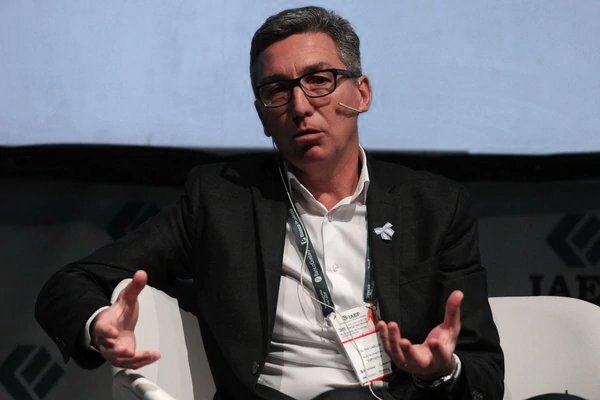
Szekasy’s influence extends beyond Kaszek. He chairs the board of LAVCA, the association that promotes private investment in Latin America; serves on the board of Endeavor Global, which supports entrepreneurs in developing economies; and participates in the Economic and Social Council of Universidad Torcuato Di Tella. He has also held board seats at several companies in Kaszek’s portfolio.
Those roles help explain why his name appears whenever the future of regional entrepreneurship is discussed. Szekasy frequently returns to an argument that runs through his entire career: Mercado Libre and Nubank prove that a company born in Latin America can achieve global scale and influence. He was on the finance side of the first and was the first to write a check for the second.