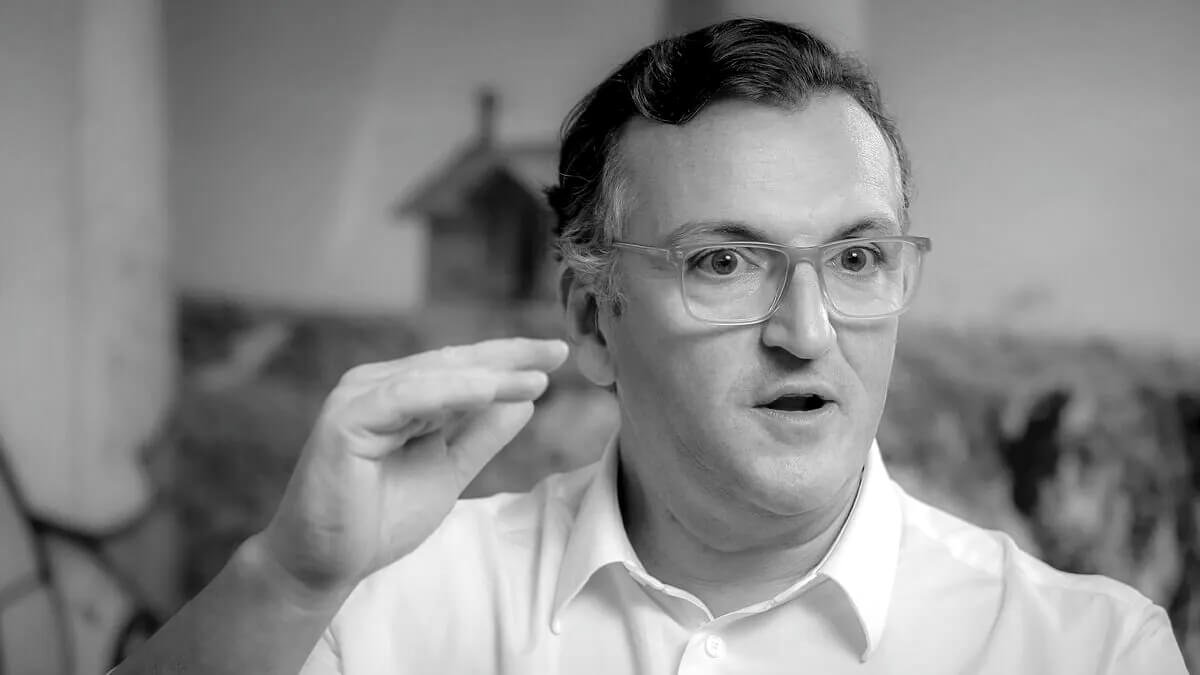
Juan Carlos Rabbat
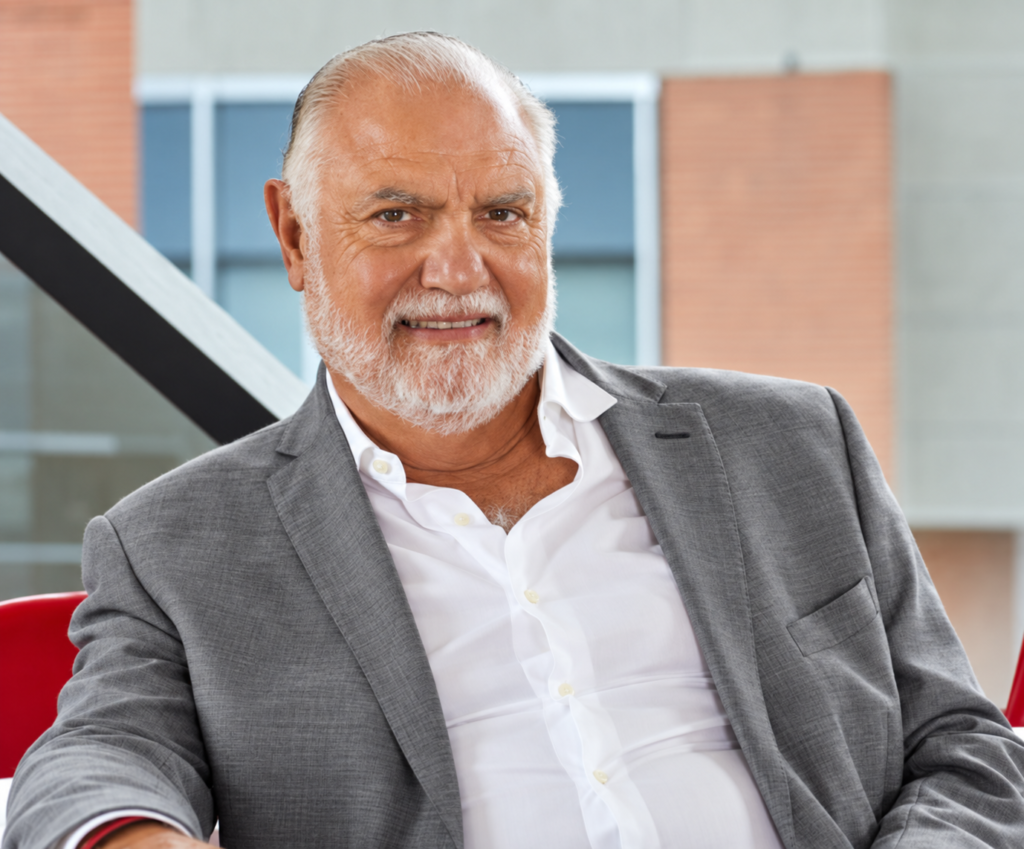
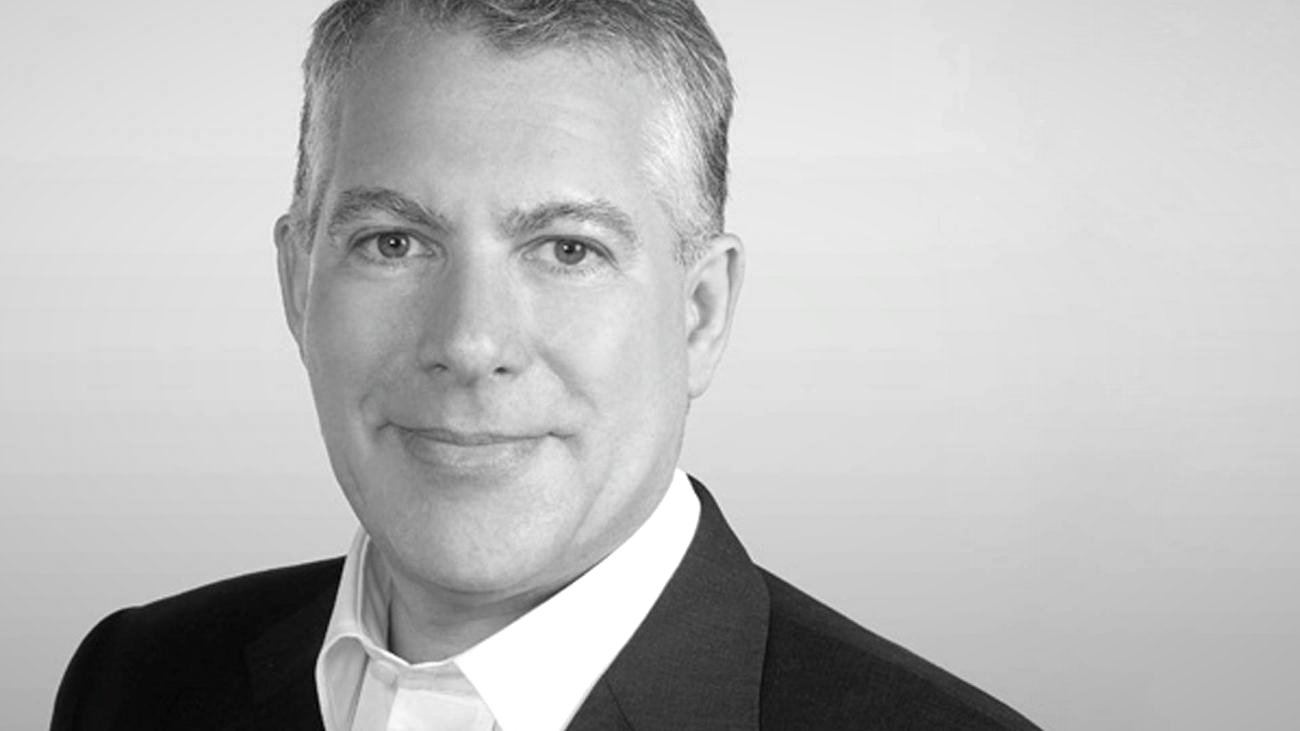
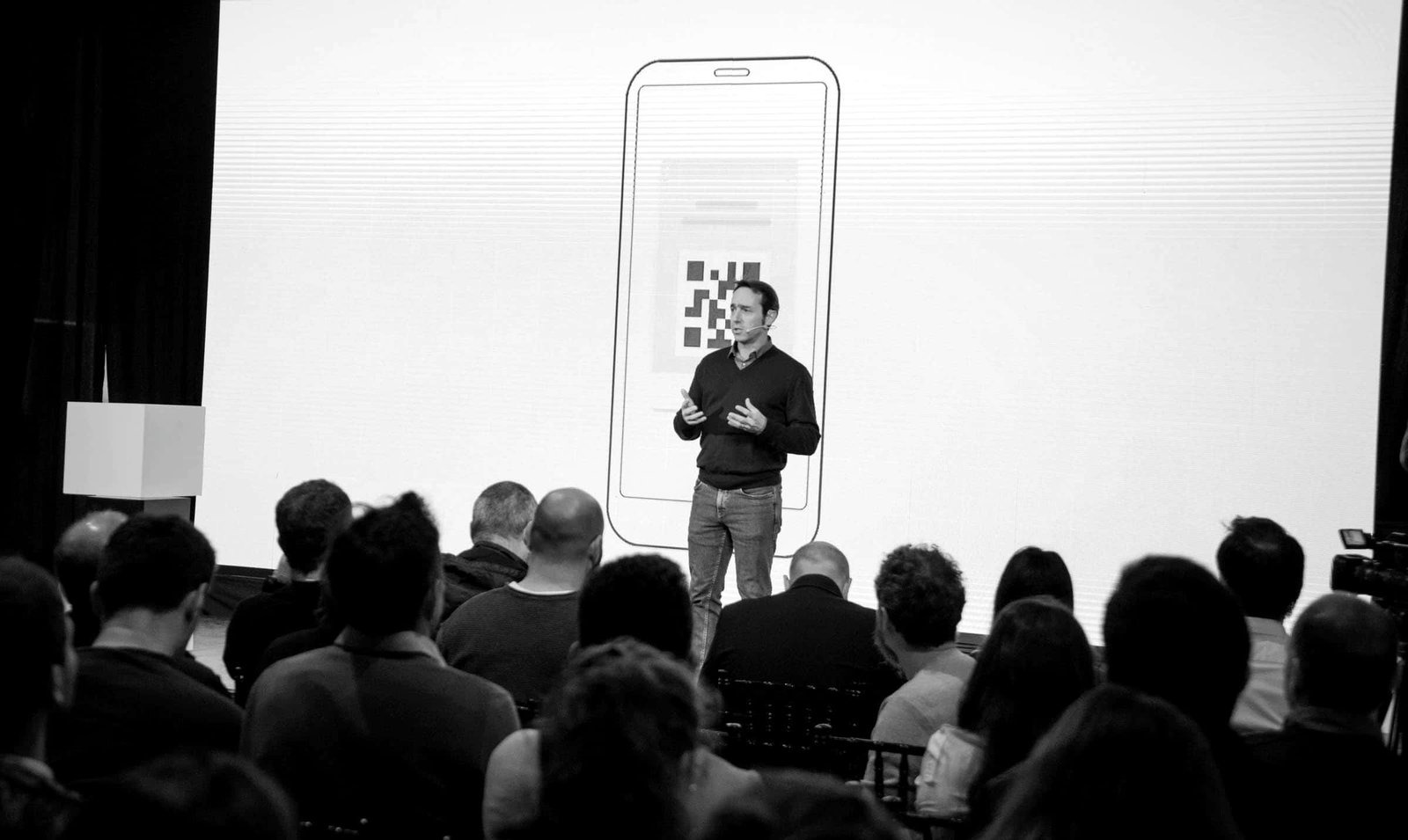
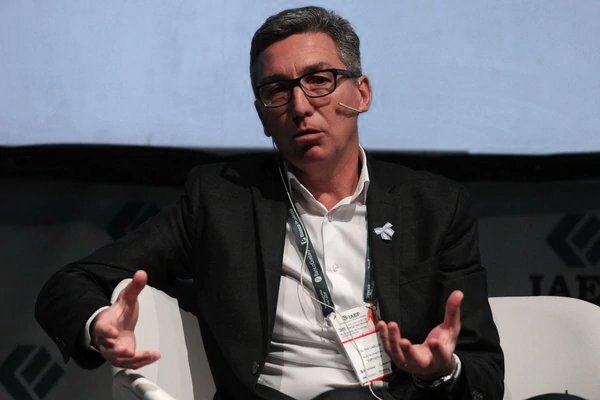
Juan Carlos Rabbat discovered his vocation for education almost by chance while still very young, in a Córdoba where higher education was largely dominated by the public sector. Going against that trend, he founded Universidad Siglo 21 in 1995 with his brother. Three decades later, the institution has more than 90,000 students, over 320 university support centers across Argentina, and is the country’s largest private university by enrollment. Its main campus now bears his name.
The Youngest of Three Brothers in a Merchant Family
Rabbat was born in Córdoba in 1954, the youngest of three brothers, into a family of merchants who taught him to see education as a tool for personal and social transformation. He studied Chemistry at the National University of Córdoba, a degree that gave little indication of the direction his life would eventually take.
During his university years, he became involved in politics. In 1976, with the military dictatorship in power, he was persecuted and detained because of his political activity. According to his own account, the experience shaped both his biography and his conviction about the importance of institutions.
Two Decades Building Institutions
Before the university came other educational projects. In 1982, he became a founding member of the Instituto de Estudios Superiores IES21, where he served as rector until 1989. He also founded the Academia de Enseñanza and Córdoba’s Institute of Technological Research and was a founding member and secretary general of the Fundación de Empresas para la Excelencia.
More than a decade of experience gave him something that would later prove decisive: knowledge of educational management at a time when private education was still relatively uncommon in Argentina.
1995: A University That Did Not Want to Be Ordinary
In 1995, together with his brother José Alberto, he created the statutes of Fundación Universidad Empresarial Siglo 21 and registered the institution. He became its first rector and served until 2000. He returned to the position between 2007 and 2014 and today serves as the university’s president and founder.
His objective, as he describes it, was clear from the beginning: he did not want an ordinary or mediocre university, but one capable of educating leaders who could transform their communities. He sums it up by saying that he dreamed of leaving the world a little better than he found it.
César Pelli’s Campus
Between 2001 and 2004, Rabbat promoted one of the projects most closely associated with the institution: a university campus whose master plan was designed by internationally renowned Argentine architect César Pelli. Opened in 2004, the campus now covers 35 hectares.
Rabbat explains the choice with a phrase that says much about the way he thinks: they always had big dreams, so they sought out one of Argentina’s most internationally recognized architects.
In 2011, a new building opened there to house the School of Law and Business, postgraduate spaces, and learning resources. In 2023, the institution officially adopted the name Campus Juan Carlos Rabbat.
The Bet That Changed the Scale
The major leap in scale came through distance education. Siglo 21 developed a distributed education system with more than 320 university support centers across the country, allowing students to study from different locations.
Rabbat strongly distinguishes that model from the improvised solutions that proliferated during the pandemic. He argues that distance education means much more than teaching through video calls and requires an asynchronous model designed so students can study when they have time, supported by platforms built to accompany them. His practical rule is simple: the platform should not scare the student away.
The numbers are substantial. The university now has more than 90,000 students and 110,000 graduates and is Argentina’s largest private university by enrollment. For Rabbat, however, the central achievement is not size but access: he says the model enabled many people to study who previously could not.
Beyond the University
His activity extends beyond Siglo 21. He helped develop Capabilia, an online training platform, and later R’Evolution Education Group, an ecosystem bringing together educational institutions and companies focused on technology and learning. He is currently listed as the group’s founder, while María Belén Mendé serves as CEO.
He has also held public office. In December 1999, he was appointed Undersecretary for Interministerial Coordination in Argentina’s Cabinet Office during Fernando de la Rúa’s presidency. In 2021, he was elected deputy secretary of the Córdoba Stock Exchange and currently serves on its board.
The reasoning is consistent with the rest of his career: he believes leaders from every field should become involved in public affairs to help governments operate more effectively.
Medicine and New Campuses
In 2026, the university moved forward with one of its most ambitious academic projects: a medical degree. The preparatory cycle begins in October 2026, while the on-campus medical program in Córdoba is scheduled to begin in March 2027. The program combines scientific education, clinical simulation, digital tools, and a humanistic approach.
The institution’s territorial expansion is also continuing with the new Villa María Campus, scheduled to begin operating in 2027. Its master plan covers approximately four hectares and includes six buildings with more than 3,000 square meters of built space.
Executive leadership, meanwhile, has passed to others. Laura Rosso is the current rector, María Belén Mendé is vice president of Fundación Universidad Siglo 21, and Rabbat remains president and founder.
A Phrase About Happiness
A father of six, Rabbat often summarizes his idea of success in distinctly domestic terms: happiness, he says, is getting up wanting to go to work and coming home wanting to be there.
He once admitted that he had never imagined he would live to see what Siglo 21 became and that he feels fortunate to have witnessed far more than he dreamed of when the project began. The young man who studied chemistry at a public university ended up building, in the same city, an educational system whose main campus now bears his name.