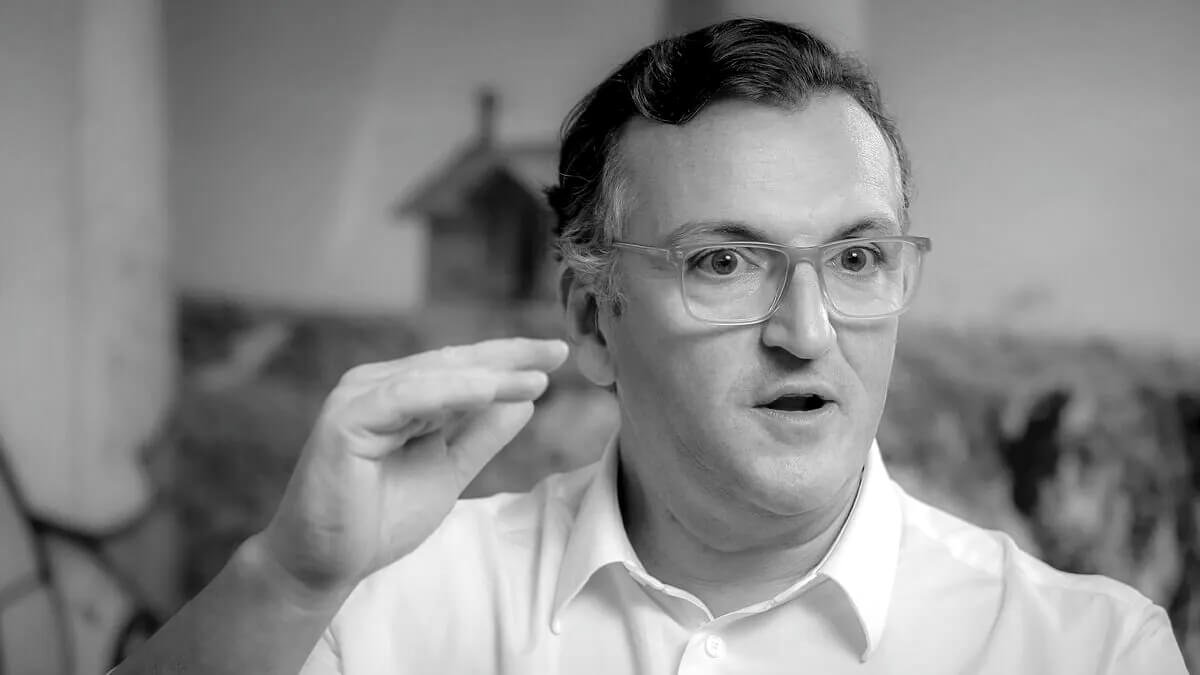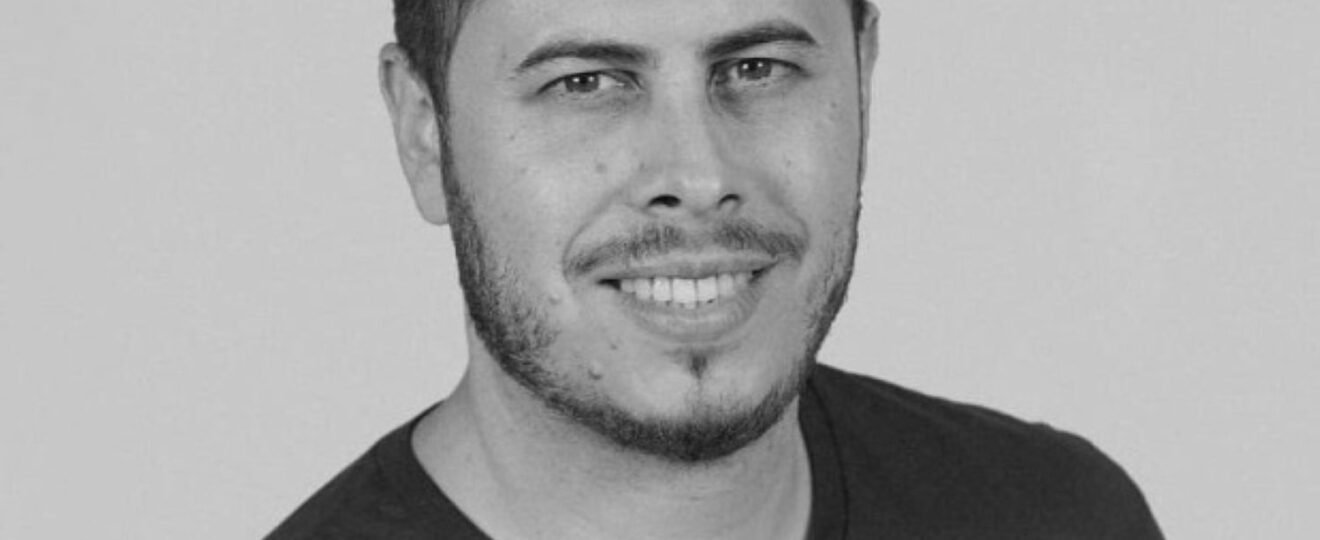
Federico D’Alvia Vegh
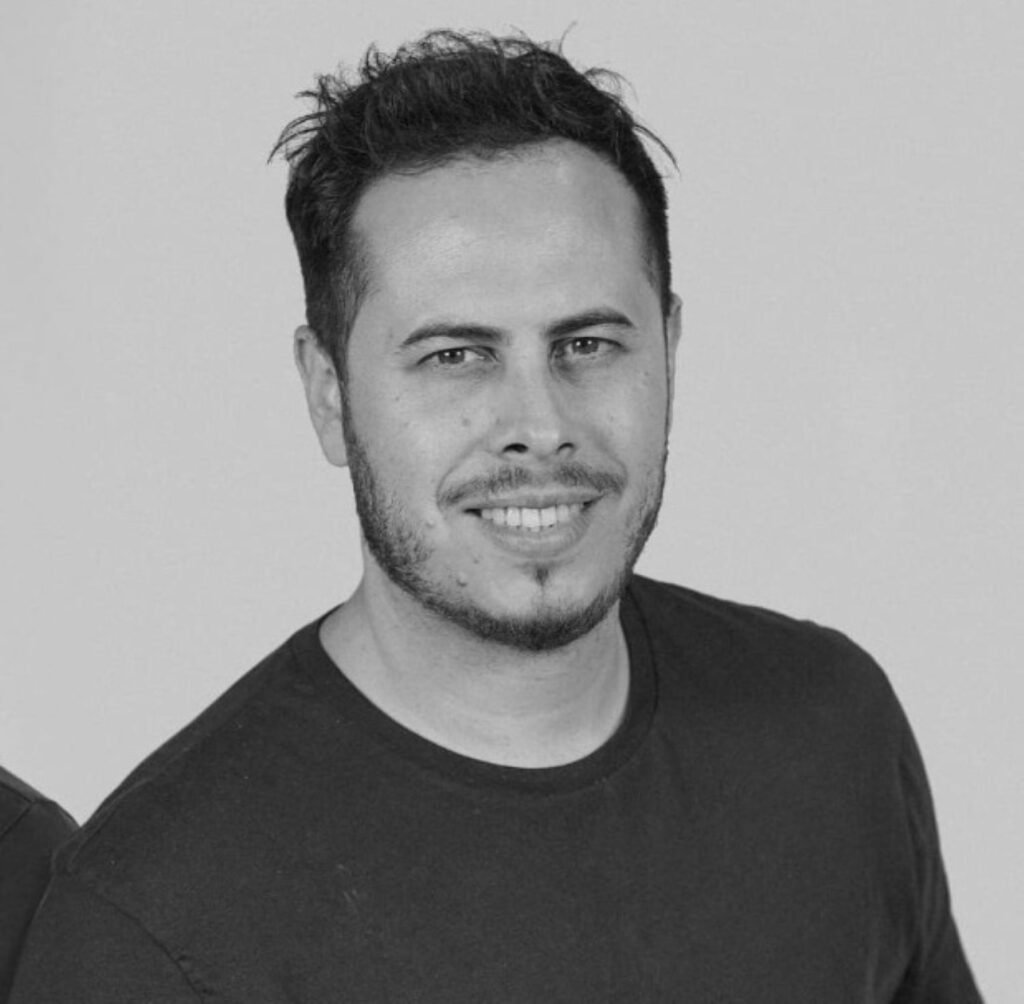
Federico D’Alvia Vegh co-founded Stämm in 2016 with $5,000 borrowed from his family and an intuition inherited from his grandfather’s home brewery: biological production could take place in small equipment. A decade later, he is COO of an Argentine biotech company with more than 200 employees, six international patents, and a refrigerator-sized bioprocessor that competes with entire factories. This profile explores his journey, his operational role, and the milestones of the company he built with his cousin.
A family brewery as a laboratory
Stämm’s story begins at their grandfather’s home. Francisco Vegh brewed craft beer, and that family tradition brought cousins D’Alvia Vegh and Llamazares Vegh together around fermenters long before the company existed. Those homemade batches led them to the conclusion that inspired their venture: producing microorganisms was a challenge for the entire industry, not just amateur brewers. In 2016, they founded the company with $5,000 provided by their family.
D’Alvia Vegh did not come from biology or engineering. His background is eclectic, with experience in sales, tourism, and filmmaking. In 2018, he and his cousin joined IndieBio, SOSV’s biotechnology accelerator in San Francisco, which put them on the radar of international investors. In the division of responsibilities that has supported Stämm ever since, Yuyo provides the technical vision as CEO, while Federico runs the operation that allows the company to grow.
The COO who built four bioproduction facilities
His title is COO, but his responsibilities reach further: finance, business development, communications, quality, IT, bioproduction facilities, and human resources have all crossed his desk. He also led four infrastructure expansions as the company grew to more than 200 employees, with a presence in the United States, Argentina, and Switzerland.
He described the promise he has to turn into an operational reality himself: “Our big bet is the bioprocessor, a refrigerator-sized device that can be operated by a single person and has the same production capacity as a large factory.” The equipment combines microfluidics and 3D printing, reducing the required installation volume three hundredfold compared with a conventional bioreactor: where a plant was once needed, a workbench now suffices.
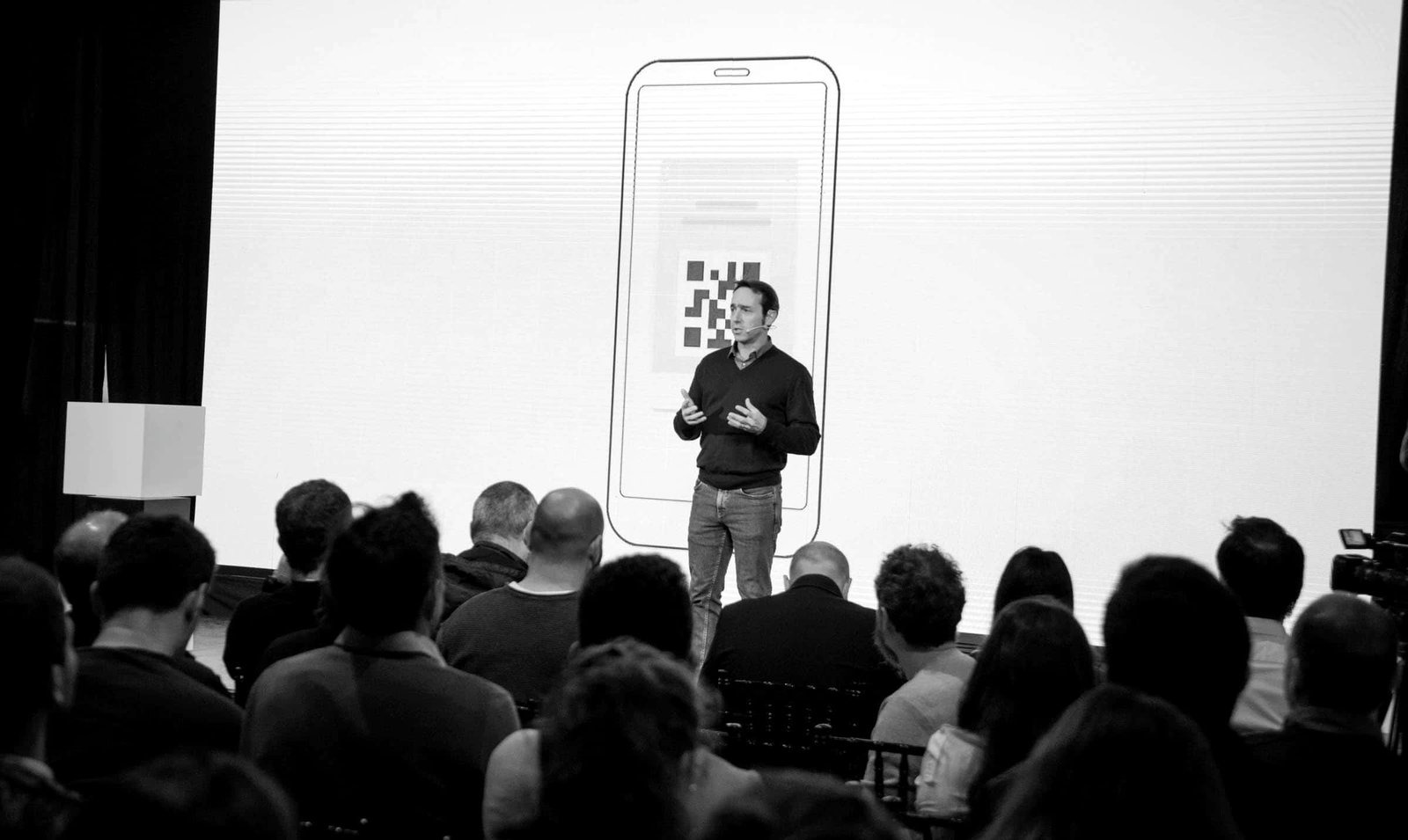
The commercial model is entirely B2B. The company works with a portfolio of between 10 and 20 pharmaceutical companies, aiming to expand it to between 40 and 100. D’Alvia Vegh projected annual agreements worth more than $12 million. “We are building long-term relationships with our partners, and we believe that next year we will be able to commercially license the technology,” he told Forbes.
From IndieBio to a commercial bioprocessor
Stämm’s milestones trace the pace of the growth D’Alvia Vegh managed internally. In 2022, the company closed a $17 million Series A round led by Varana Capital, with Draper Associates—Tim Draper’s fund—and SOSV among the investors, bringing total funding to $20 million. In 2023, Stefan Oschmann, former CEO of the German pharmaceutical group Merck KGaA, joined the board. In 2024, the project to produce monoclonal antibodies on its platform was presented as an Argentine-developed world first. And on March 12, 2026, the commercial product arrived: the High-Throughput Bioprocessor (HTB), an automated, single-use platform for CAR-T therapies, stem cell expansion, and monoclonal antibodies, at the heart of the company’s effort to decentralize biomanufacturing.
In an ecosystem that often focuses only on the CEO, D’Alvia Vegh’s career offers another lesson in leadership: deeptech companies are also built through operations. Someone has to establish the bioproduction facilities, maintain quality under pharmaceutical standards, and fund a payroll of more than 200 people while the product matures. At Stämm, that quiet partner has a name, and Endeavor recognized him by welcoming him into its network of entrepreneurs.